


Share
Now is the time to see an icon of West Coast light-and-space art, then linger for a second exhibition that pairs paintings and pottery from the Southwest and Mexico.
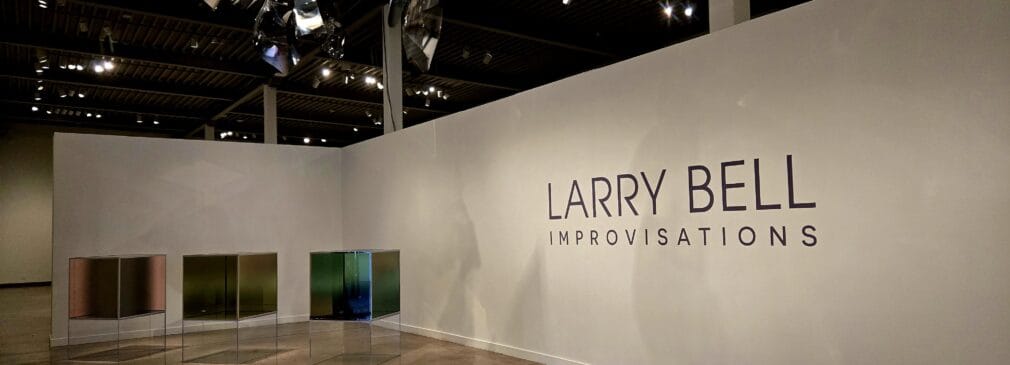
San Antonio’s Museum Reach has a way of surprising you. One minute you’re strolling past the old Lone Star Brewery; the next, you’ve stepped into a gallery where glass seems to capture and hold light. That magic is the draw of “Larry Bell: Improvisations” at the San Antonio Museum of Art (SAMA), a survey of one of the most influential artists to emerge from the 1960s Los Angeles scene. On view through Jan. 4, 2026, it’s an exhibition that shifts and reveals more as you move and examine each piece.
But don’t stop there. SAMA’s fantastic collection takes you around the globe. “Canvas to Clay: Georgia O’Keeffe & Maria Martinez to Mata Ortiz & Tonalá” runs through Oct. 4, 2026, and weaves a conversation between Southwestern painting and Mexican ceramics that feels both immediate and centuries deep. Together, these shows showcase SAMA’s knack for pairing thoughtful curation with real visual pleasure — and offer more great reasons to make a day of it on the River Walk.
From L.A. Light to the Museum Reach
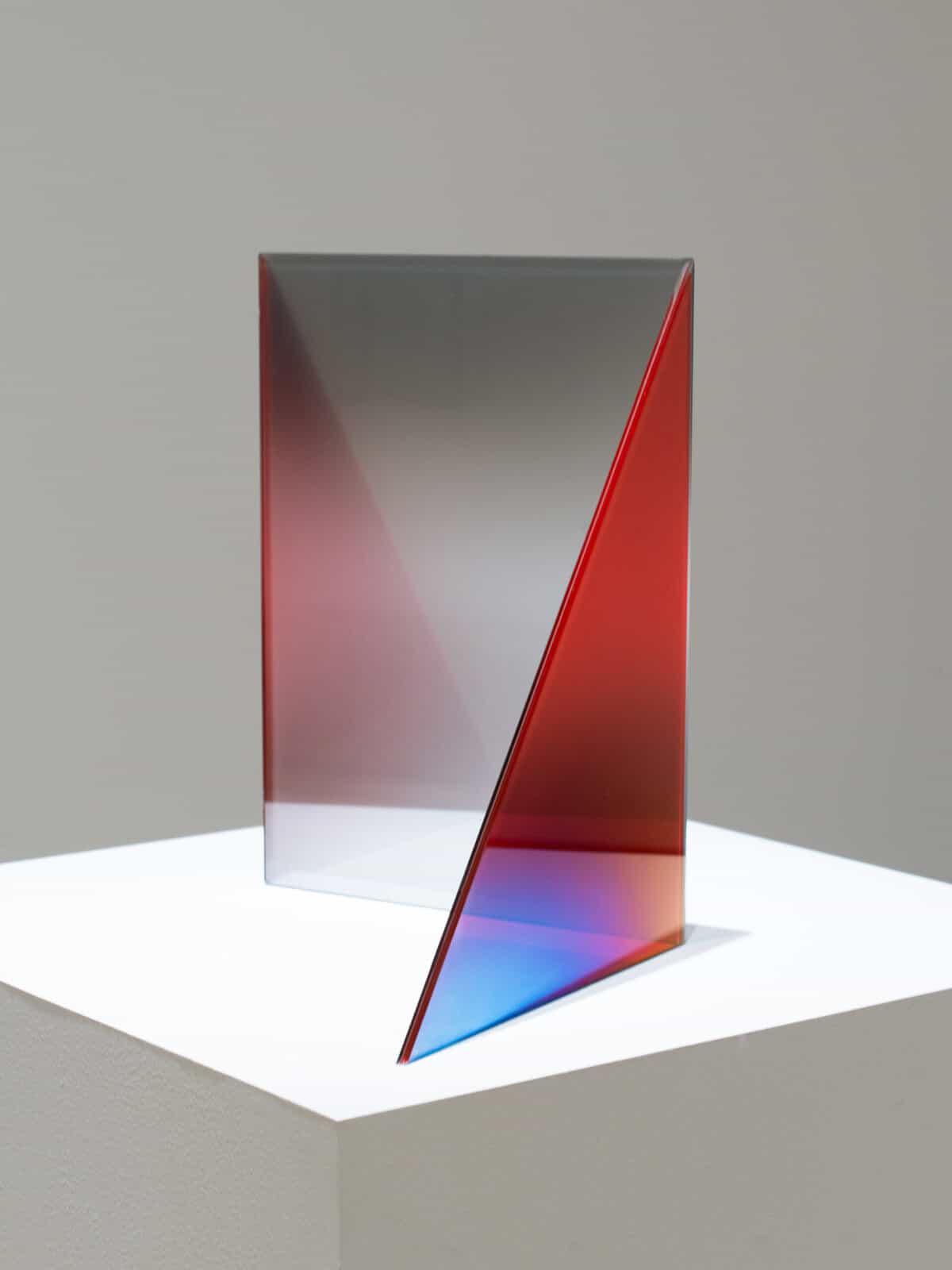
Larry Bell is famous for exploring how light behaves — how it’s reflected, absorbed, transmitted — especially through glass that he coats with microscopically thin metallic films. In Improvisations, conceived by Phoenix Art Museum and presented in SAMA’s Cowden Gallery, you’ll see floating cubes, luminous laminated panels, and intimate collages that track five decades of innovation.
Scan the room, then pick a work and stay with it for a full minute; you’ll notice more than you expect. Bell often talks about following where the process leads; let your eyes do the same. Even standing still, the work appears to shift: edges soften, colors bloom or recede and volumes almost seem to dematerialize. Bell once said light is his real medium and at SAMA, it’s impossible to disagree.
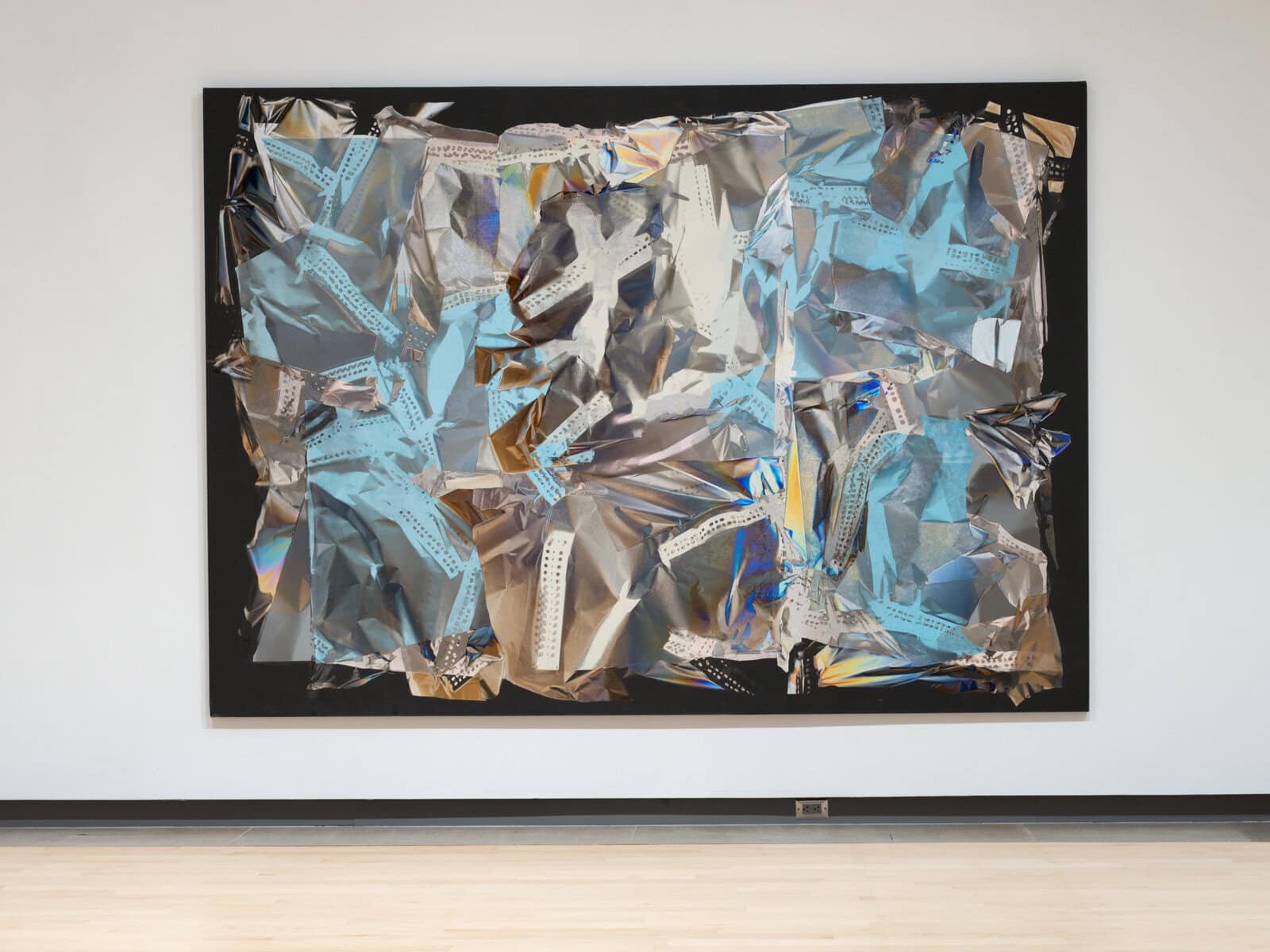
Want a primer before you go? Bell’s own words are a great entry point. In this short conversation that’s featured in the exhibition, he talks about process, discovery and the joy of letting materials “tell you” what they want to do. It’s also fascinating to see the technology behind his art, then envision how he created the works surrounding you at SAMA.
The Return of The Dilemma of Griffin’s Cat
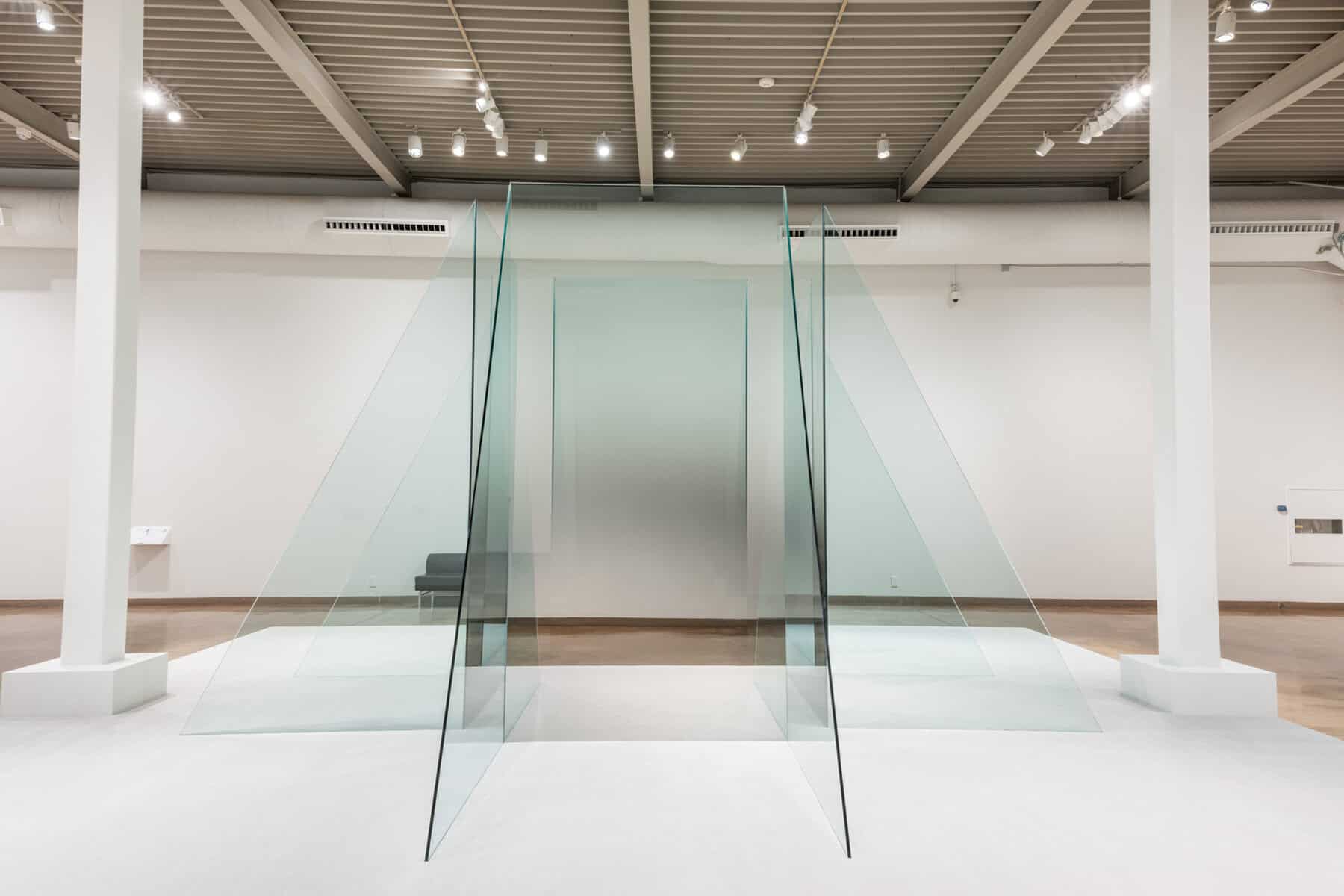
For San Antonians, the headline inside Improvisations might be deeply local: the return of “The Dilemma of Griffin’s Cat,” a large-scale, site-specific installation Bell created for SAMA’s grand opening in 1981. Long part of the museum’s permanent collection, the piece makes a rare appearance — a thoughtful nod to SAMA history. The work today is as fresh as the day it debuted: a cool, lucid conversation between light, space and the building’s industrial bones.
Why Bell’s Work Lands So Well in San Antonio
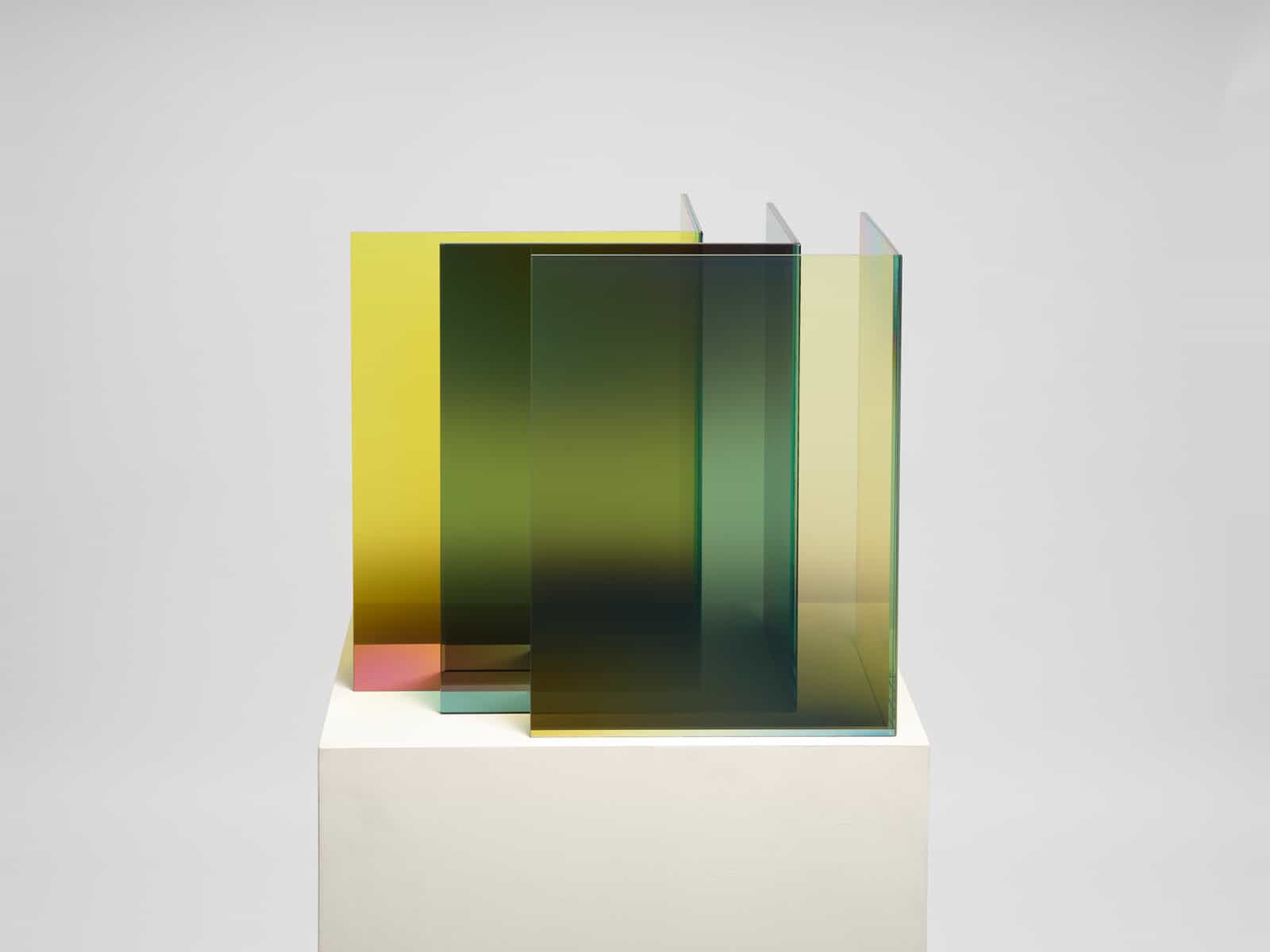
There’s a particular pleasure in seeing Bell’s glass in SAMA’s galleries. The museum’s architecture —brick, steel, and daylight — feels like a collaborator, not a backdrop. In one laminated panel, a mirrored veil blooms into color at an angle. In a cube, interior reflections read like a 3D sketch you can walk around. A step to the left intensifies a fade; a step to the right turns a reflection into an edge. “Art and science” is how SAMA frames it — work that invites you to slow down and engage your surroundings in new ways. It draws you in and adds wonder to your visit.
Canvas to Clay: The Land, in Paint and in Earth
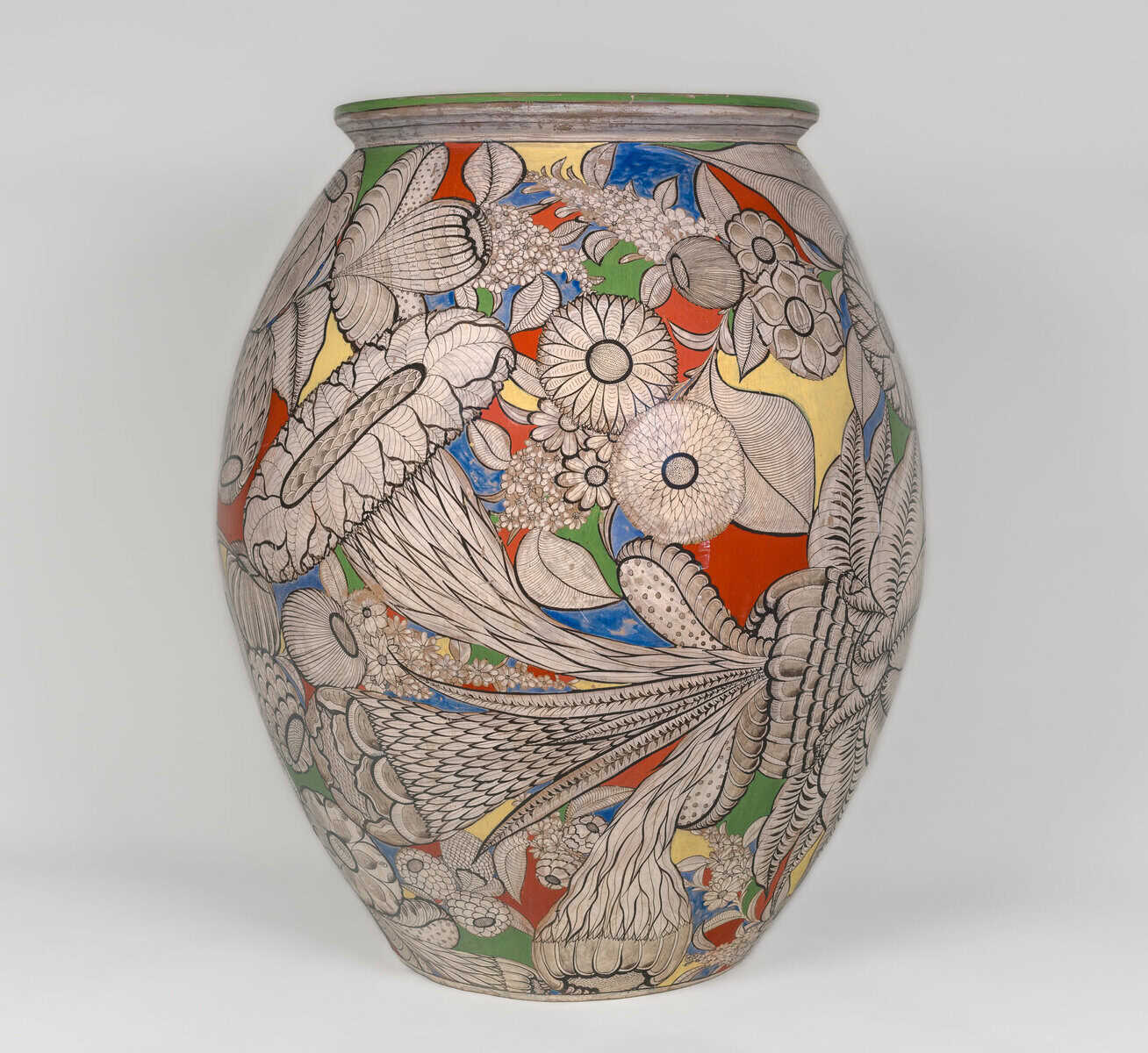
A few galleries away, Canvas to Clay extends SAMA’s fascination with materials and place, pairing Georgia O’Keeffe and Maria Martinez with historic and contemporary ceramics from Mata Ortiz (Chihuahua) and Tonalá (Jalisco). The show traces artistic connections across the Southwestern U.S. and Mexico, revealing how artists have long used local clay and regional imagery to speak across borders and time. It’s as grounded as Bell’s work is ethereal – yet both exhibitions ask you to look closely and to feel how materials carry meaning.

Curators invite “slow looking,” echoing O’Keeffe’s own belief that “to see takes time.” Here, clay itself becomes a bridge: vessels painted with exquisite linework sit comfortably alongside paintings drawn from the same desert light, all in dialogue with centuries of cultural exchange. The curators connect painting and pottery across regions, histories, and techniques, so pause at the labels that tease those threads. Step in close to read the surfaces — the slip painting, the polish, the faint signs of the hand —then step back to let forms become silhouettes. You’ll come away with a feel for how the Southwest and Mexico have influenced one another for centuries.
Explore the World Across Time at SAMA
SAMA’s collection holds more than 30,000 works spanning 5,000 years, set within the historic Lone Star Brewery along the River Walk’s Museum Reach. That breadth is part of why the museum can host a light-and-space pioneer in one gallery and centuries of painting and pottery in another — then send you into Egyptian, Greek, Roman, Asian or Latin American galleries a few steps later. It’s a true world-museum, scaled for a pleasant afternoon instead of a marathon.
The best part of seeing these shows at SAMA is everything that frames them. Step out to the Museum Reach and follow the River Walk north beneath bridges draped in art and live oaks. The Pearl is an easy stroll for coffee, tacos or a long, late lunch. If you’re up for more, turn south toward downtown, where the River Walk unfurls past public art, quiet pockets and sunset reflections before twinkling lights fill the trees during the holiday season. It’s the perfect San Antonio day: art that asks you to look closely, and a city that rewards you for taking your time.
Editor’s note: The San Antonio Museum of Art is at 200 West Jones Avenue, San Antonio, TX. For current hours and programming, visit the museum’s website.
__________________________________________________________________________________________________________________
Cover Photo Dawn Robinette
An award-winning writer and communications expert who runs Tale to Tell Communications, Dawn Robinette, APR, Fellow PRSA is a Certified Tourism Ambassador who loves to tell stories about her adopted hometown of San Antonio. You can read more of her work at Alamo City Moms, San Antonio Woman, Authentic Texas and Rio Magazine.