


Share
A filmmaker and a hometown daughter reflect on what it means to turn tragedy into testimony — and memory into meaning.
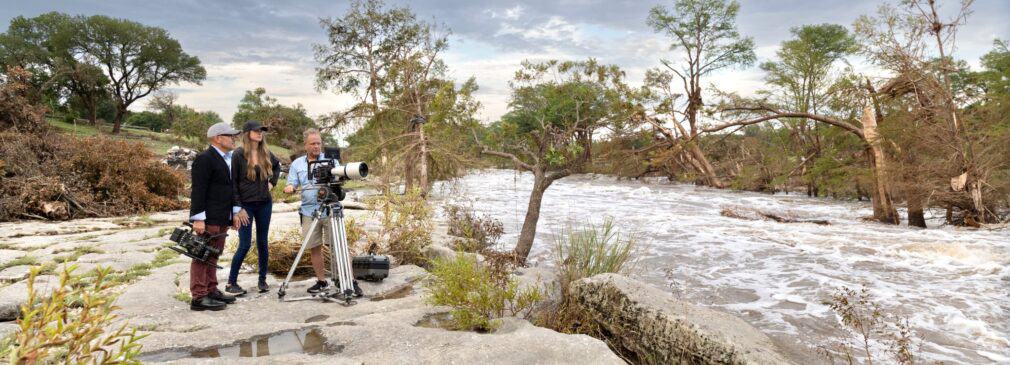
When tragedy strikes a small town, the world often sees only the headlines — numbers, damage estimates, and fleeting footage before the news cycle moves on. But in “River of Angels”, multiple award-winning director Shawn Welling goes deeper, bringing voice, memory, and humanity to the devastating July 4 floods that tore through Kerrville, Texas. The film doesn’t just document a disaster; it becomes a living memorial to the lives lost, the resilience shown, and the community that rose to meet the river’s darkest hour.
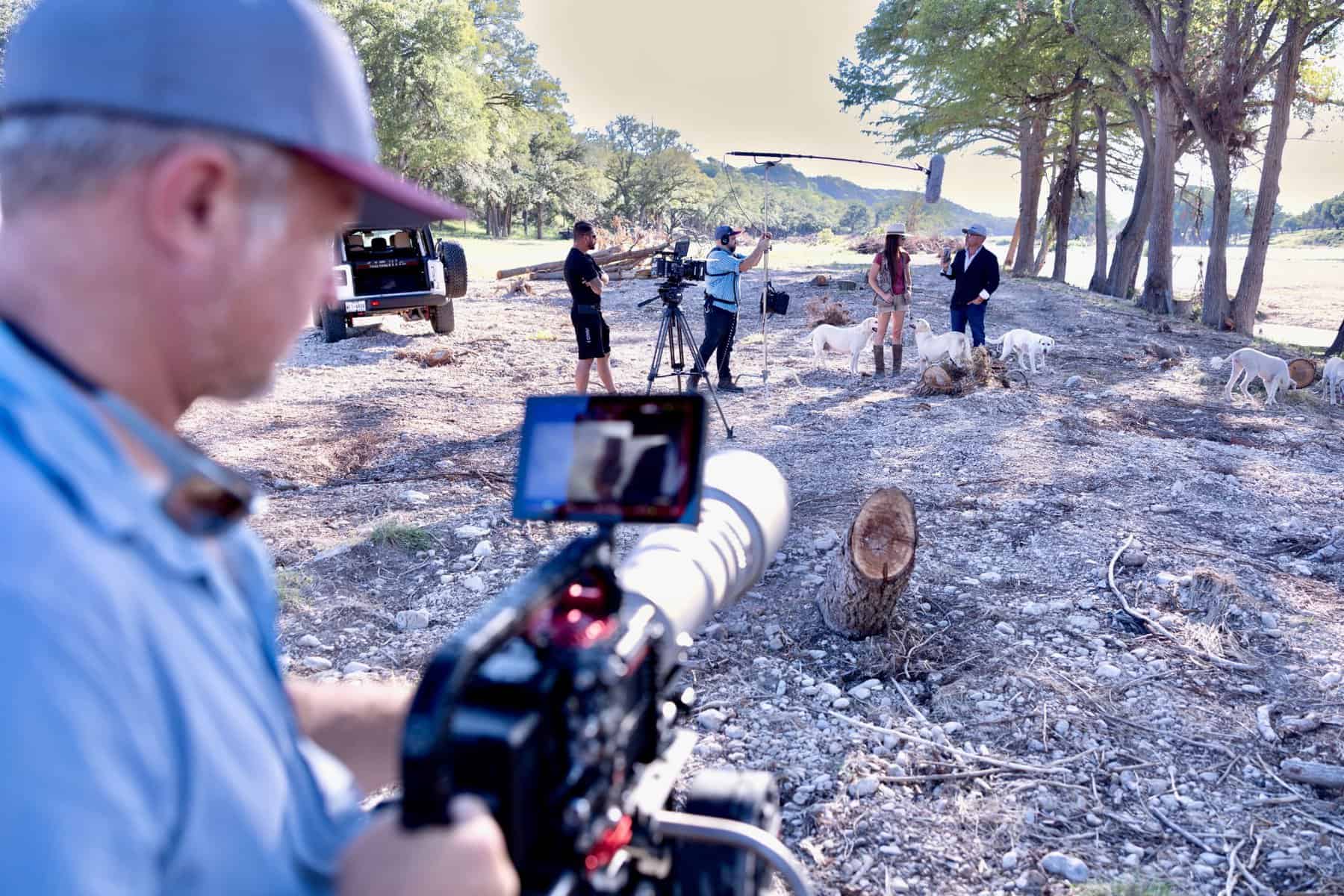
Born from both personal ties and a powerful push from Houston broadcaster Michael Berry and his wife, former Texas Secretary of State Nandita Berry, the documentary reflects the heart of a town that has long been part of the Wellings’ own story. For Michelle Welling, who grew up along the banks of the Guadalupe River, and for Shawn, who has filmed, camped, and returned to Kerrville for decades, “River of Angels” is more than a film — it’s a homecoming, a calling, and an act of remembrance.
We sat down with Shawn and Michelle to talk about the making of the documentary, the emotional weight of telling such a personal story, and why Kerrville’s story — and the people who lived it — deserve to be seen, heard, and remembered. First, we talked to Shawn and, then, to Michelle.
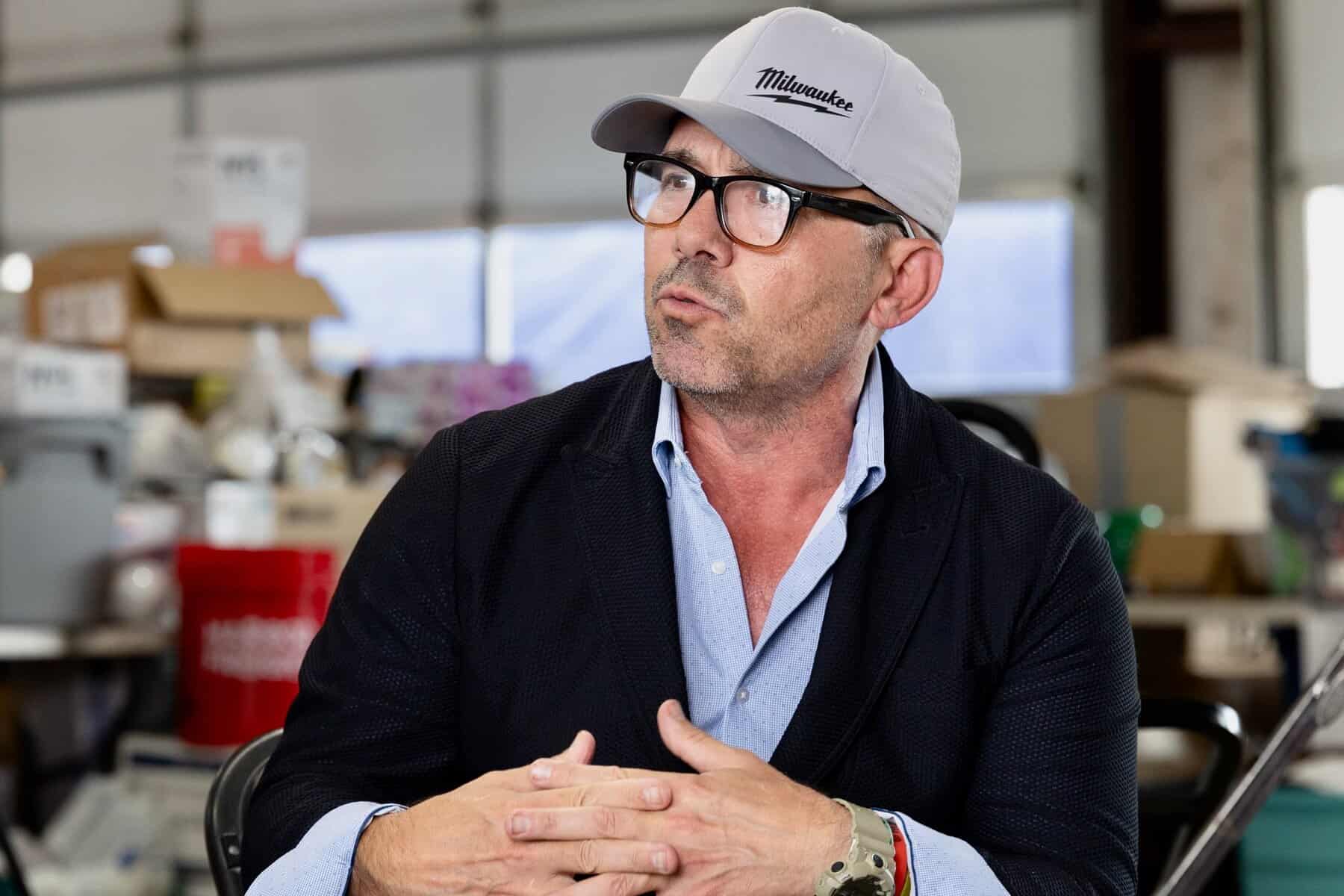
Shawn Welling on Why He Made “River of Angels”
Shawn, what inspired you to tell the story of the July 4 Kerrville floods through a documentary format, and why now?
I was walking in Memorial Park right after the flood, listening to Michael Berry’s radio show. His reflection on the Hunt Store was remarkably sad and heartfelt — it stayed with me. Then, almost ironically, I heard a shout in the park. I turned, and it was Michael Berry’s wife, former Texas Secretary of State Nandita Berry. She came up to me in a direct, partly somber tone and said, “What are you doing here? Michael and I assumed you’d be up in Kerr County making a documentary about the July 4 flood.” I asked her if it was too soon, too sensitive. She said no — that these people needed to be heard. I took that as a sign, and it was a good one to act on. Not long after, Michael himself came on board as an acting producer. It felt fitting, since he and I had worked together back in 2009 on “The Messenger: 360 Days of Bolivar”, the documentary about Hurricane Ike. In many ways, “River of Angels” became a continuation of that shared history of telling stories born out of disaster, but always grounded in resilience — with the hope that this time, the story itself could also help bring healing.
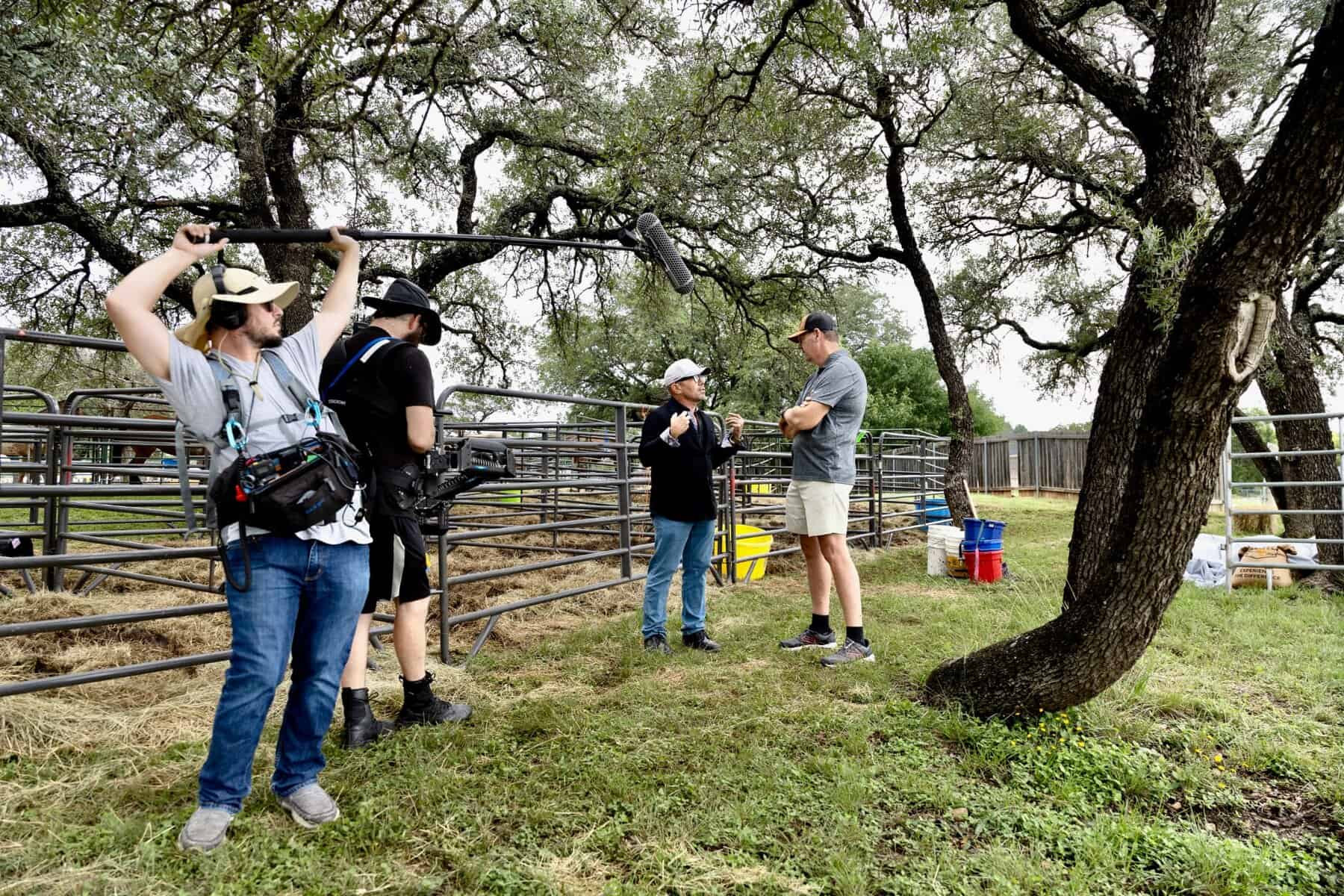
Your previous films, like “Alive” and “The Messenger”, deeply explore personal and communal resilience. How does “River of Angels” continue that thematic journey?
Resilience has always been at the center of my work. With “River of Angels”, it moves from individual to collective. In “Alive” and “The Messenger”, we followed personal battles. Here, its entire communities — neighbors, strangers, even rival groups — joining together in the river, literally and spiritually, to search for life and to comfort one another. Its resilience multiplied, and it shows that strength is not just individual — it’s communal.
Preserving Kerrville’s Story for Future Generations
This film is clearly personal — your wife Michelle is from Kerrville, and her family still lives there. How did that connection shape your approach to filming and storytelling?
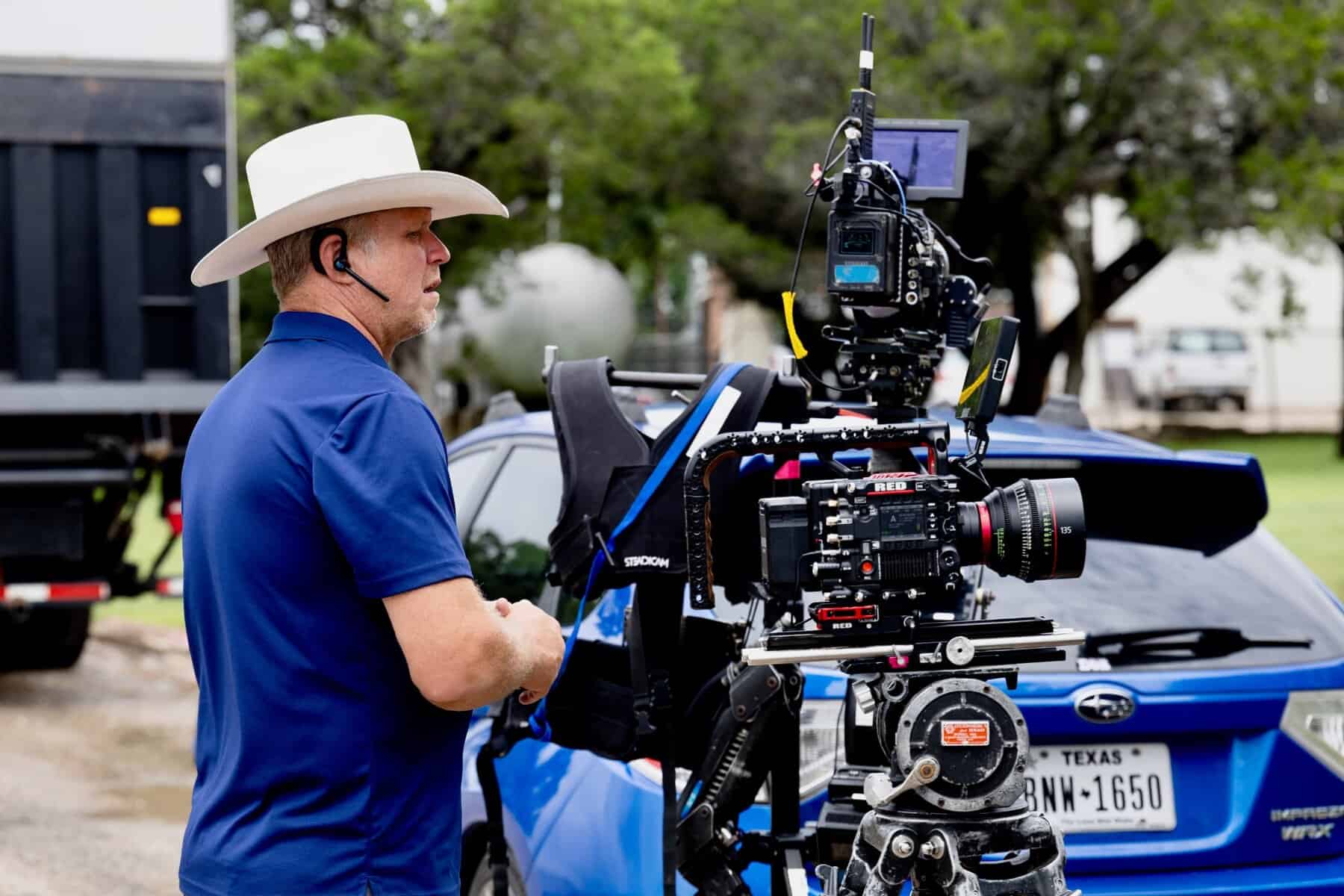
That connection grounded everything. Kerrville isn’t just a backdrop; it’s family. Michelle’s roots gave us access, but more importantly they gave us responsibility. Every choice had to honor not only the story of tragedy, but the dignity of the people telling it. It’s also personal for me because I was a camper in the early 1970s at Camp Rio Vista for many years, and since then I’ve returned six to eight times a year to roam the river with my golden retriever while visiting Michelle’s family. Those waters have been part of my own story for decades — we even filmed a movie there, “The Blimp Trap”. All of that made telling this story not just a project, but a homecoming.
You focus on the often-overlooked lives along the Guadalupe River — camps, RV parks, local families. Why was it important to highlight these communities in particular?
Because they’re often invisible. News cameras rarely linger on the RV park family or the summer camp counselor, and yet those were the people in the water that night. They lost children, they lost homes, and yet they were the first ones back in the river searching for others. Their stories are the heartbeat of this film. And when the media does highlight them, it’s often a fast push to assign blame. This film pushes back against that narrative. It isn’t about “what should have been done” — it’s about what was done right, and how people are moving forward with courage, compassion, and faith.
What role does the town of Kerrville itself play in the narrative? How do you balance the town’s small-town charm with the weight of the tragedy?
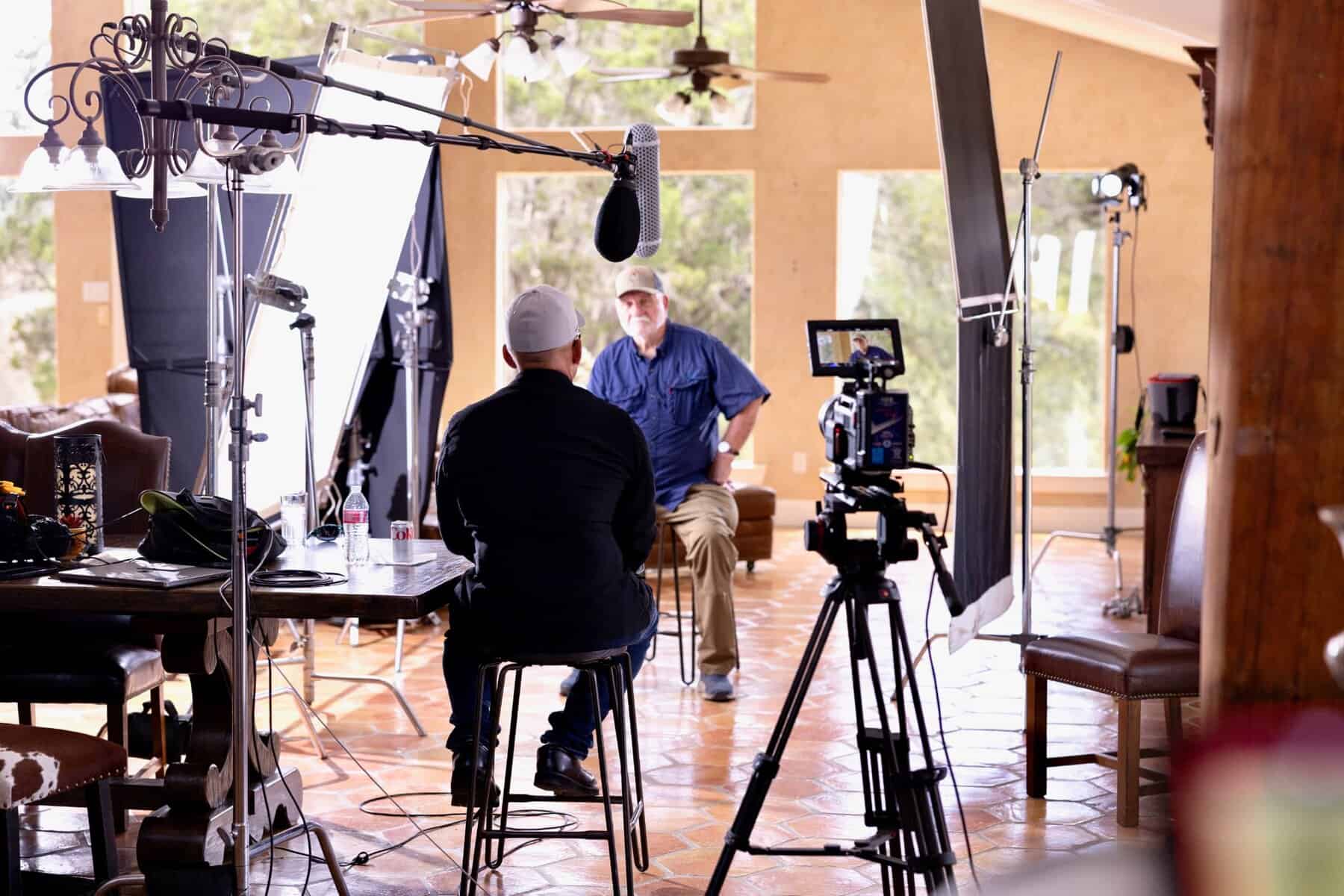
Kerrville is not just a location — it’s a character. This is a town where everyone knows someone who was touched by the flood. Its beauty — the Guadalupe winding through limestone hills — stands in stark contrast to the violence of that night. That tension between charm and tragedy defines the story.
Veteran actor Lee Majors narrates the film — how did that collaboration come about, and what did his voice bring to the story?
Lee Majors has been part of my filmmaking family for years. When I shared Kerrville’s story with him — Michelle’s hometown, the families, the loss — he didn’t hesitate. His voice has this timeless, Americana quality that grounds the story. It’s as if the river itself is speaking.
Emotional and Logistical Challenges of Filming
Were there any moments during filming — testimonies, visuals, or locations — that hit you harder than expected?
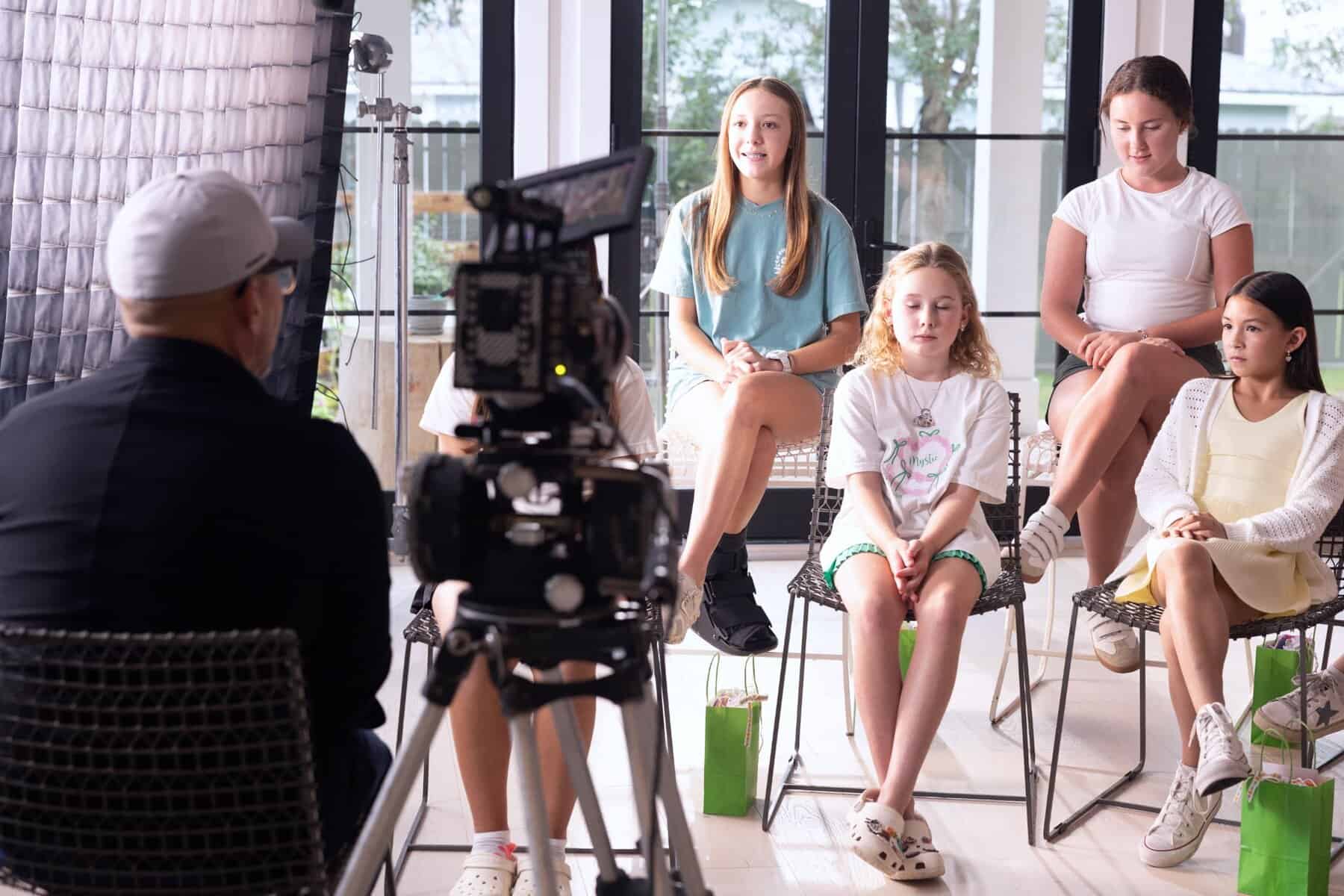
Yes — many. Standing with parents who had just lost children. Sitting in homes where water lines still stained the walls. But one that struck me deeply was hearing the voices of ten-year-olds from Camp Mystic, who bravely opened up about the terror of that night — their fear, the loss of friends and counselors. They described how storms in the past always felt distant, lightning flashing over the hills. But that night, they said, the lightning was inside their cabin. The honesty and courage of children putting words to that trauma is something I will never forget.
What challenges did you face while filming in a disaster zone — logistically or emotionally?
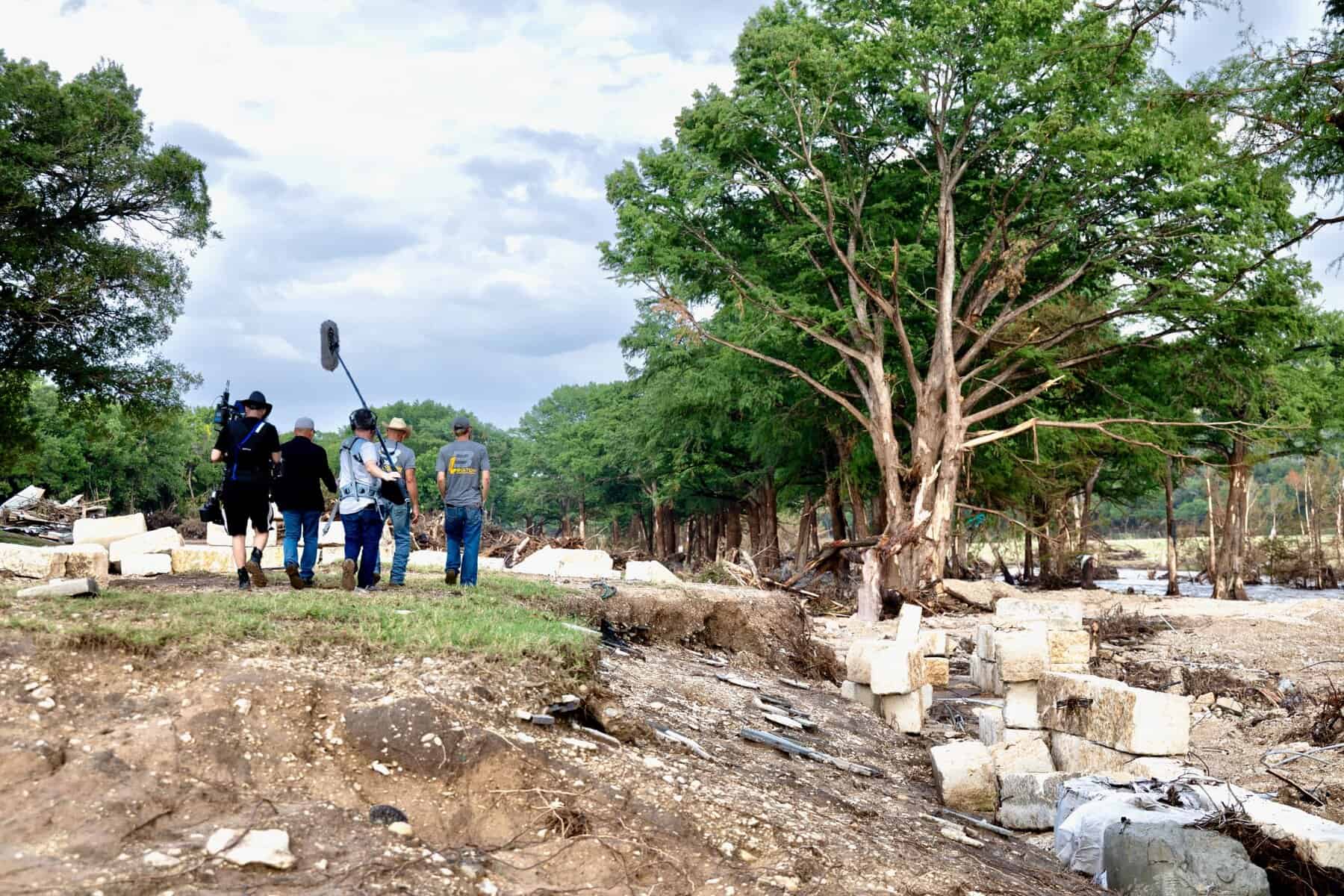
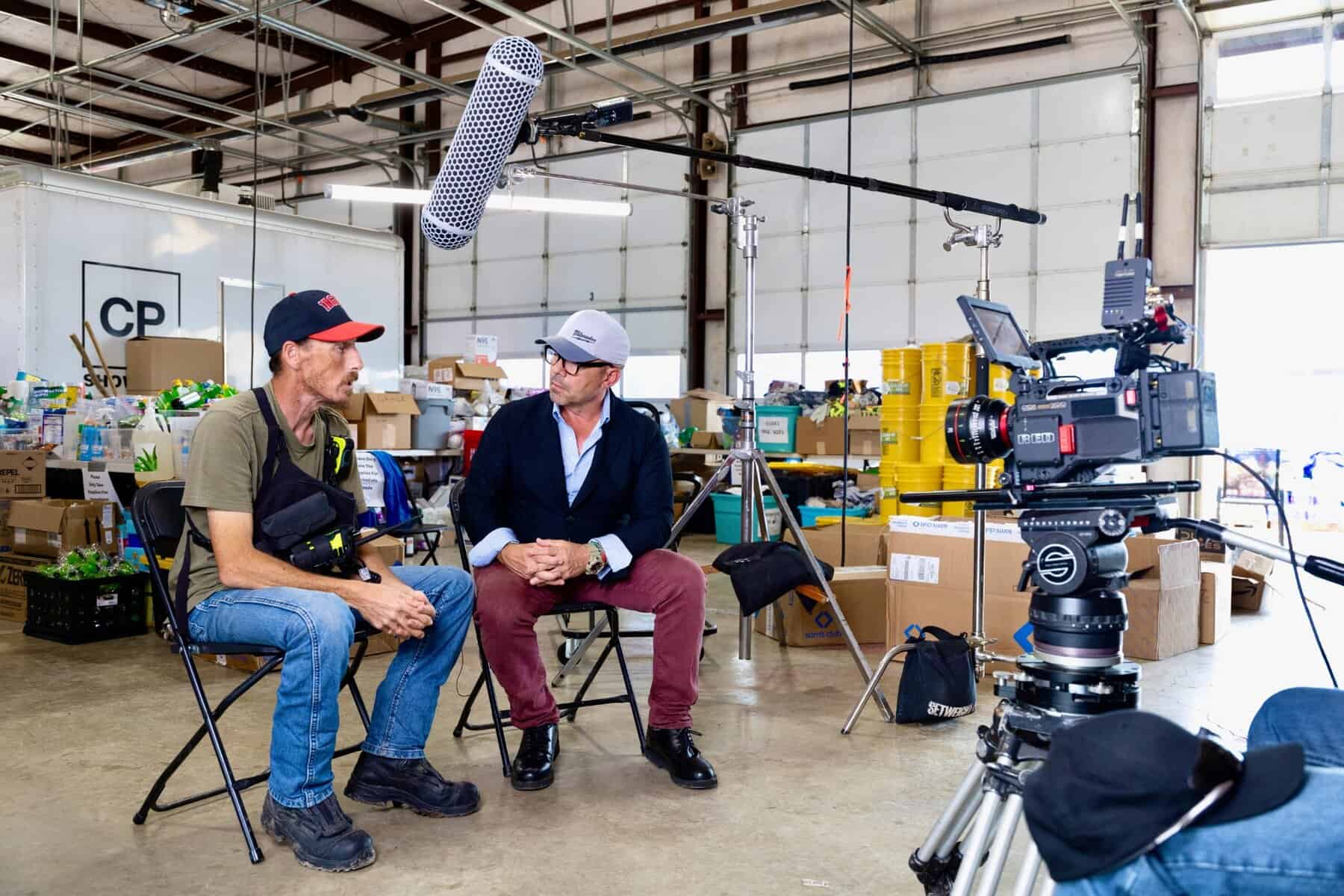
Logistically, it was difficult — washed-out roads, unstable banks, unpredictable weather. Emotionally, it was harder still. You’re holding a camera while someone shares the worst moment of their life. Balancing filmmaker and human being — that was the toughest part.
In a time when news cycles move quickly, how do you hope “River of Angels’ will help keep the memory — and lessons — of this flood alive?
By slowing everything down. By letting audiences really sit with a mother’s words, or watch a firefighter’s face as he remembers. A documentary can freeze time. It can say: this mattered, and it still matters. My hope is that ten years from now, when people ask about the July 4 flood, this film will be part of the answer.
What do you hope audiences — especially those outside of Texas — take away from watching “River of Angels”?
That resilience, faith, and community are universal. Kerrville could be anyone’s hometown. The Guadalupe could be anyone’s river. I hope people leave not just with empathy for what was lost, but inspiration to stand with their own communities when they face hardship.
Michelle Welling on Healing and Honoring Her Hometown
Michelle, as someone who grew up in Kerrville and still has family there, how did it feel to see your hometown so deeply affected by the July 4 floods?
It was heartbreaking. Kerrville is where I spent summers on the river, where my parents still live, where my memories are tied to every corner. To see it under water, to hear neighbors’ voices filled with grief — it felt like losing a piece of myself.
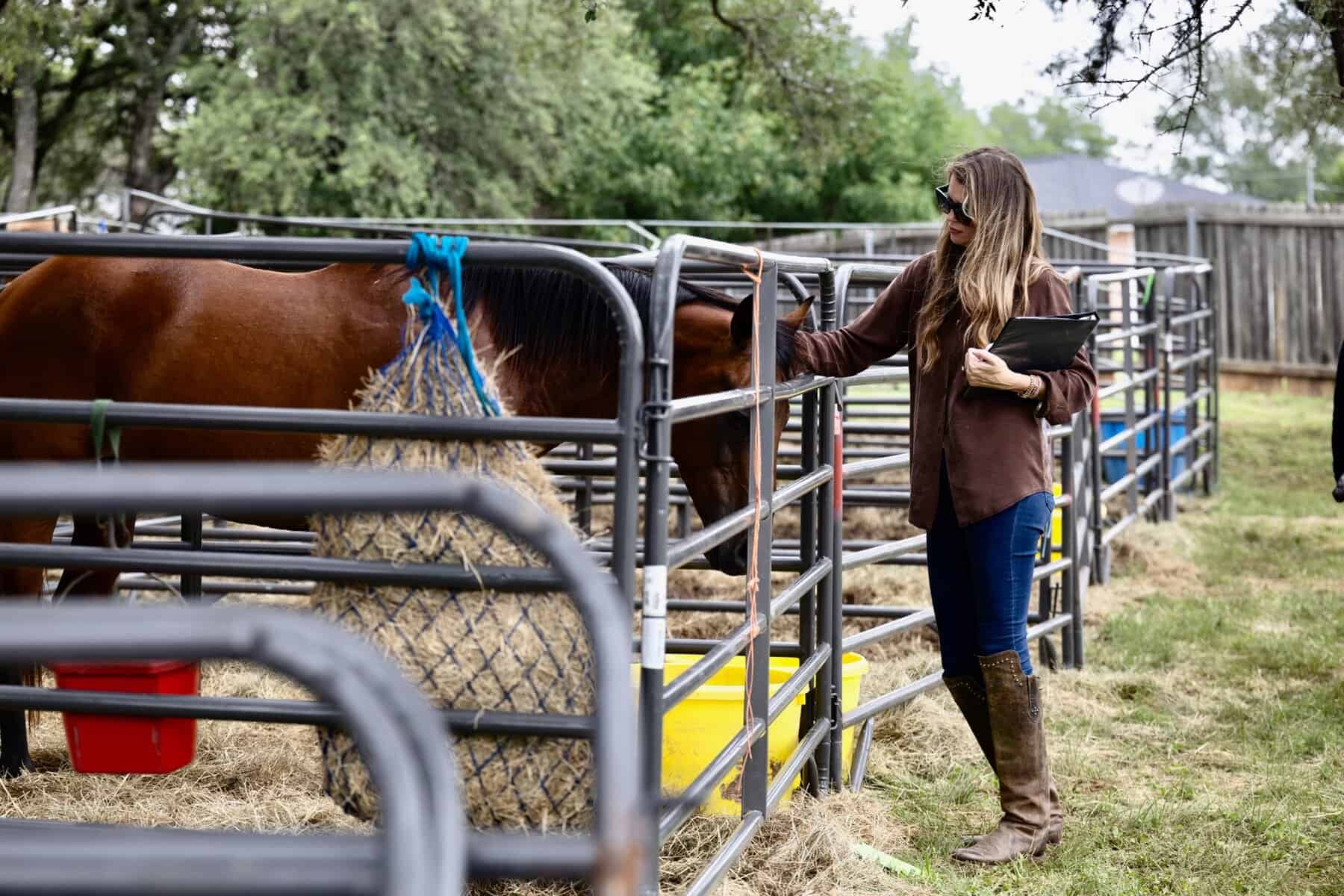
What was your role in the making of “River of Angels”, and how did you and Shawn work together to shape the story?
I was both a bridge and a sounding board. Shawn leaned on me to connect with people and assure them their stories would be treated with respect. And personally, I helped shape the narrative from the inside — I could point out details an outsider might miss, like the significance of the camps or the way local churches responded.
Given your deep roots in Kerrville, how did you approach the community about participating in such a personal and emotional project?
With humility. I told them: This is your story, not ours. We’re just here to help you share it. People opened up because they knew we weren’t chasing headlines. We were there because Kerrville is family.
Many of the stories featured in the documentary come from everyday people — campers, RV park residents, local families. Why was it important to amplify their voices?
Because they’re the heart of Kerrville. They aren’t just statistics — they’re the people who live along that river every day. Without their voices, the story would be incomplete.
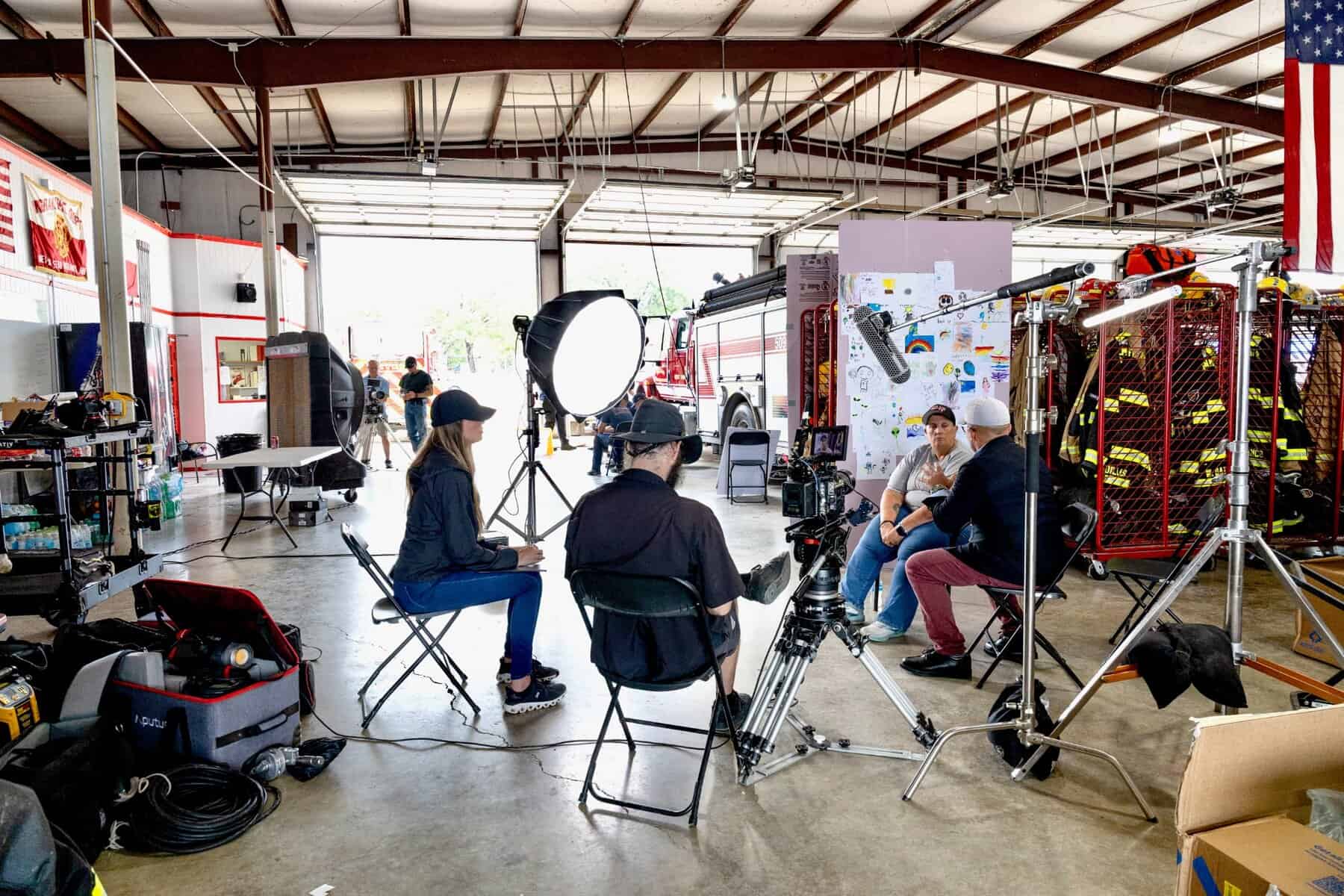
Kerrville Before and After the Flood
Kerrville is portrayed as more than just a location — it’s a character in the film. How would you describe the spirit of the town before and after the flood?
Before: charming, close-knit, peaceful. After: bruised but unbroken. The flood didn’t erase Kerrville’s spirit — it revealed it. People rallied for each other in a way that showed just how much heart this small town has.
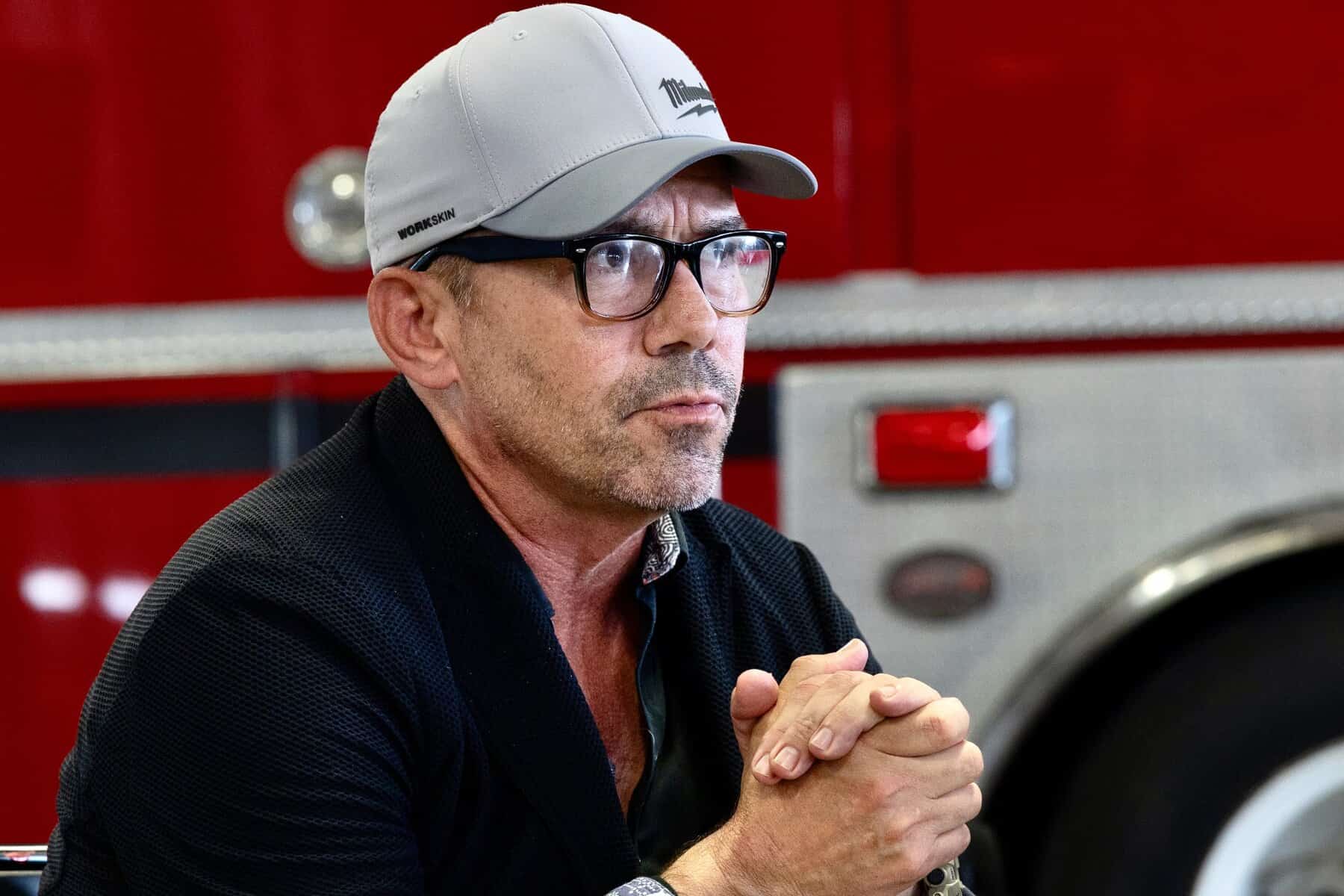
What was it like to witness Shawn bring your hometown’s story to life through his signature cinematic and emotional storytelling style?
Emotional. There were interviews I couldn’t sit through without tears. But I also felt pride — pride that Shawn treated Kerrville with respect, and that he captured not just the loss, but the love that carried people through.
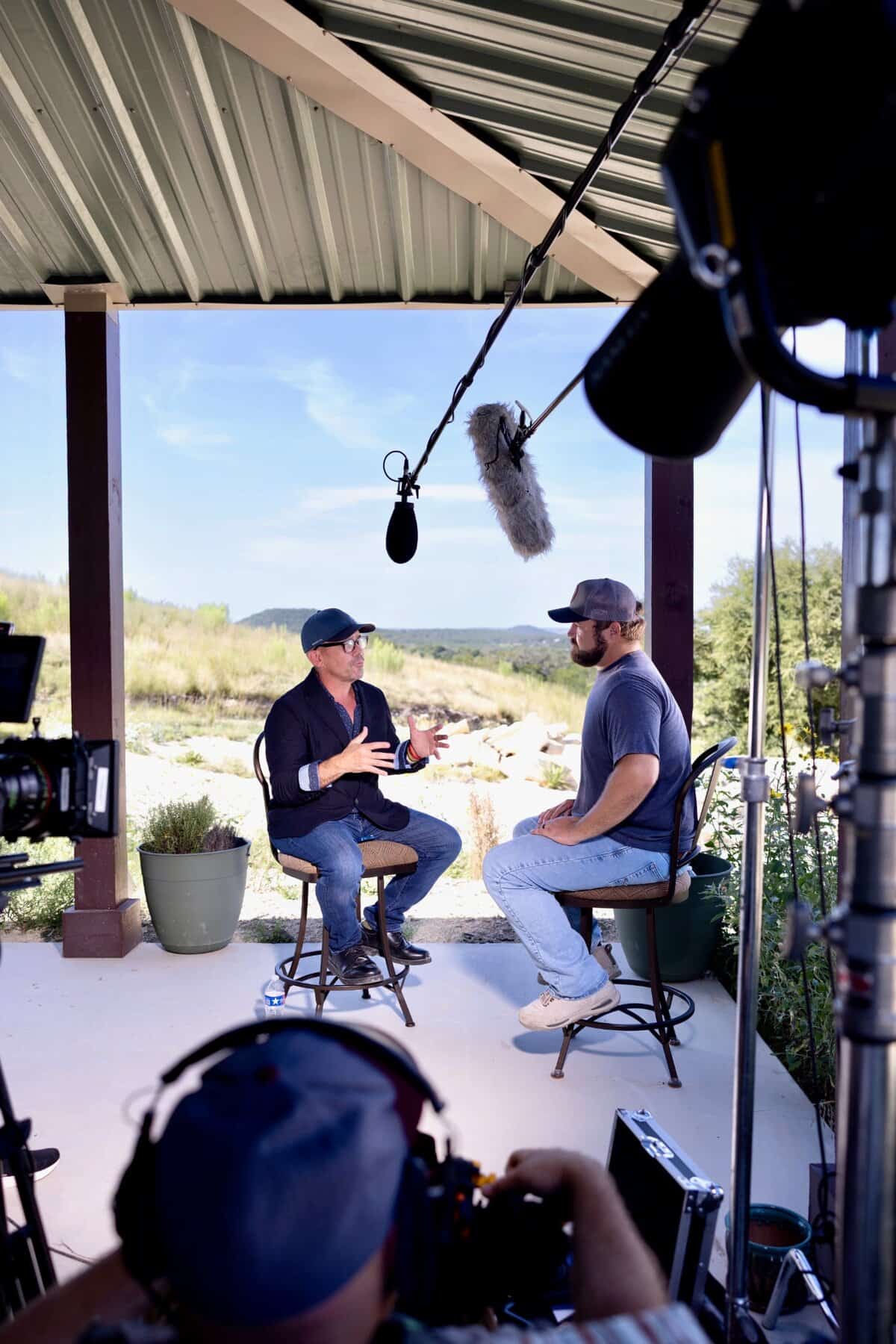
Were there moments during filming that were particularly emotional or cathartic for you or your family?
Yes — seeing neighbors we’ve known for decades finally share their experiences. There was healing in that sharing. My parents, my friends — they felt seen in a way that brought comfort.
How do you think the flood — and this documentary — will change how people see Kerrville, both inside and outside the community?
I think it will put Kerrville on the map in a different way. Not just as a hill country town with a river, but as a community of courage. For locals, it’s a reminder they’re not forgotten. For outsiders, it’s an invitation to care.

The Meaning of “River of Angels”
The film is called “River of Angels”. What does that title mean to you, personally?
For me, it’s about the people. One might think it refers to the lives lost, but really it’s about the angels still among us — the neighbors, the volunteers, the locals still out there searching and healing. Angels don’t always have wings — they wear muddy boots, carry flashlights, and show up in the middle of the night. And the word “angels” also reflects the deep faith woven through this community. You can’t tell Kerrville’s story without that.
What do you hope audiences feel or think about after watching “River of Angels”? Especially those who have never been to Kerrville or experienced such a disaster firsthand?
I hope they feel both heartbreak and hope. Heartbreak for the lives lost, and hope because of the love that rose from those waters. For those who have never been to Kerrville, I hope they leave knowing that even in the smallest towns, the biggest stories of courage and compassion unfold.
For more information about “River of Angels” and Welling Films, please visit their website. The trailer can be viewed on Facebook.
_________________________________________________________________________________________________________________________
Cover photo courtesy Welling Films
Bob Valleau is a regular entertainment writer for Texas Lifestyle Magazine.