

Share
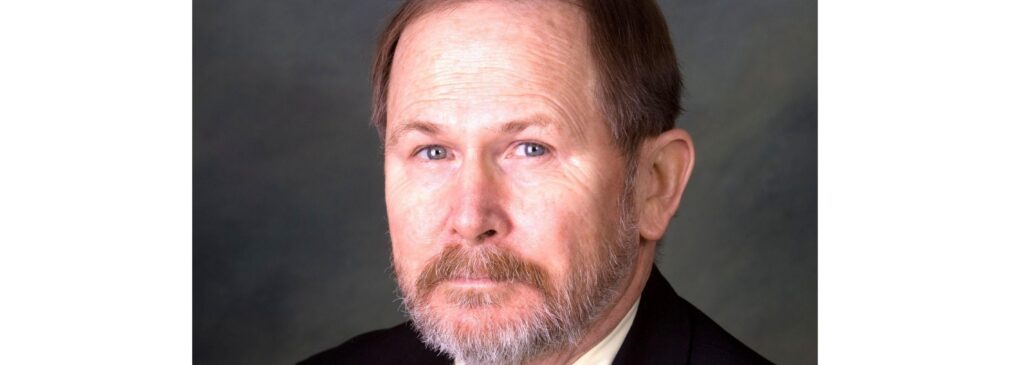
In his memoir, “After the Good War,” award-winning author, Texas A&M professor, and Vietnam War veteran Jerome Loving reflects on his military service, the lasting impact of war, and the sacrifices of a generation.
Every Veterans day, millions of Americans pause to recognize and honor the men and women who have served our country. Behind each veteran are stories that stretch far beyond their deployments and military service. For Vietnam War veteran, award-winning author, and Texas A&M professor Jerome Loving, that story is captured in his memoir, After the Good War.
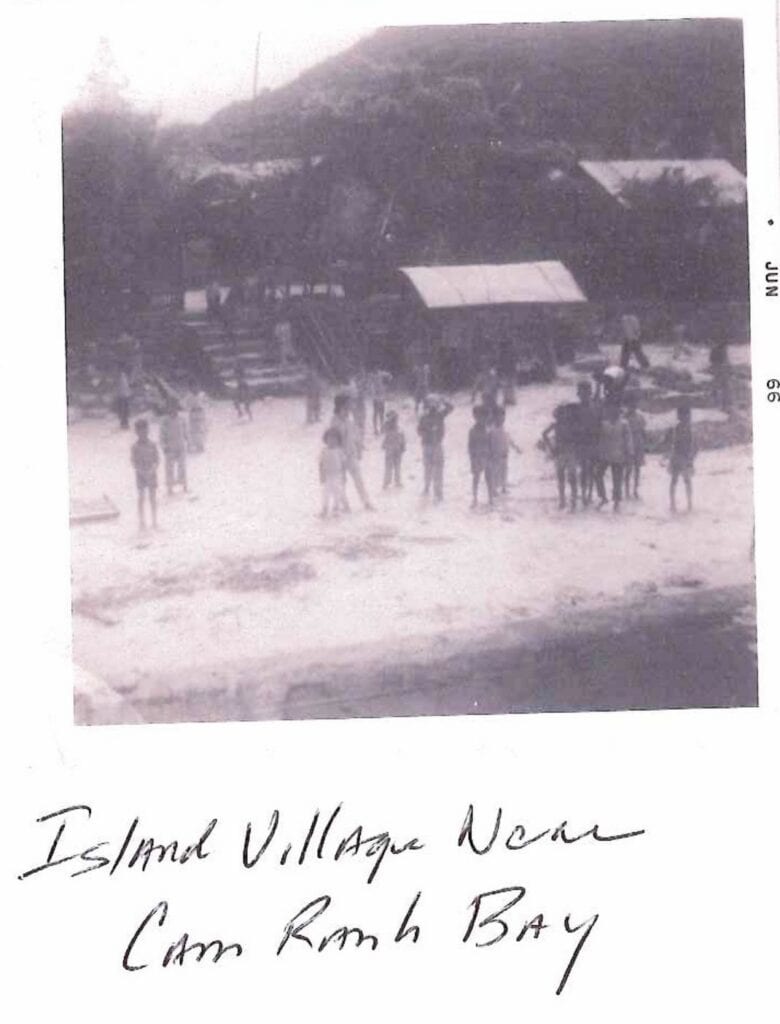
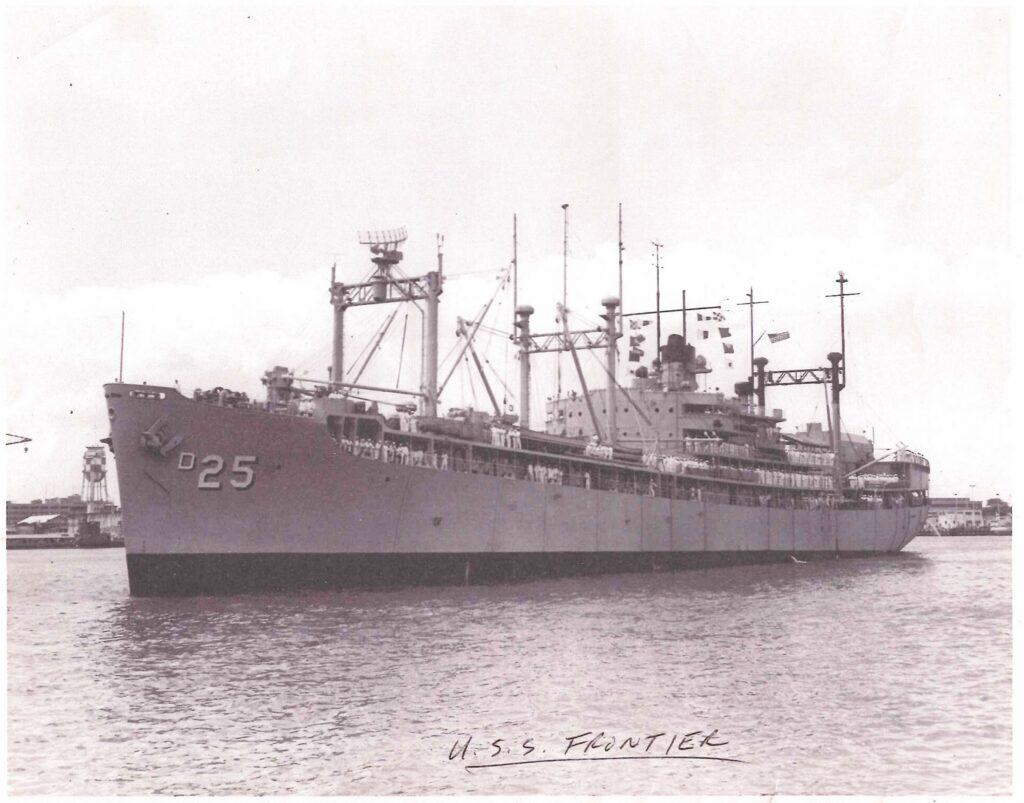
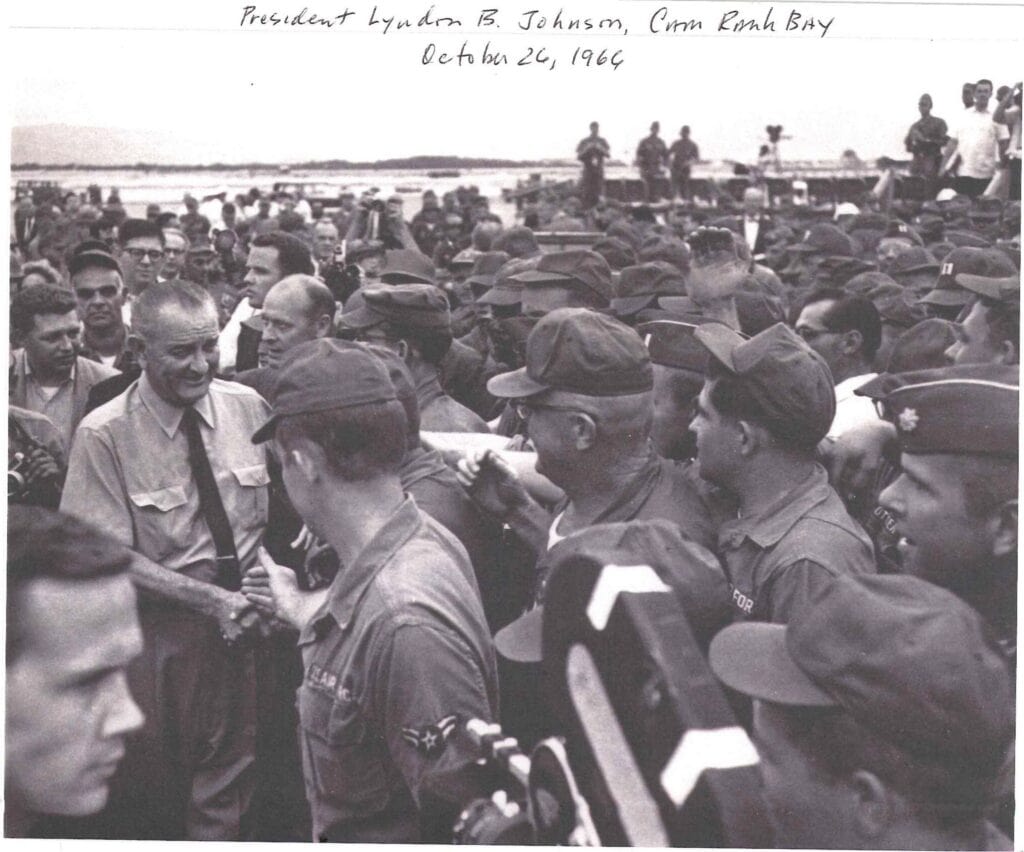
Loving served in the U.S. Naval Reserve from August 1964 to December 1967, rising to the rank of lieutenant. During his military career, he worked as a legal and deck officer in Harbor Defense in Vietnam. After completing Officer Candidate School and legal training in Newport, Rhode Island, he was based in Long Beach, California, where he served aboard the USS Frontier, a destroyer tender that operated between Long Beach and Pearl Harbor. He later joined a Mobile Inshore Undersea Warfare unit deployed to Cam Ranh Bay, Vietnam, from April to December 1966. His service also took him to Saigon during a turbulent chapter in American history.
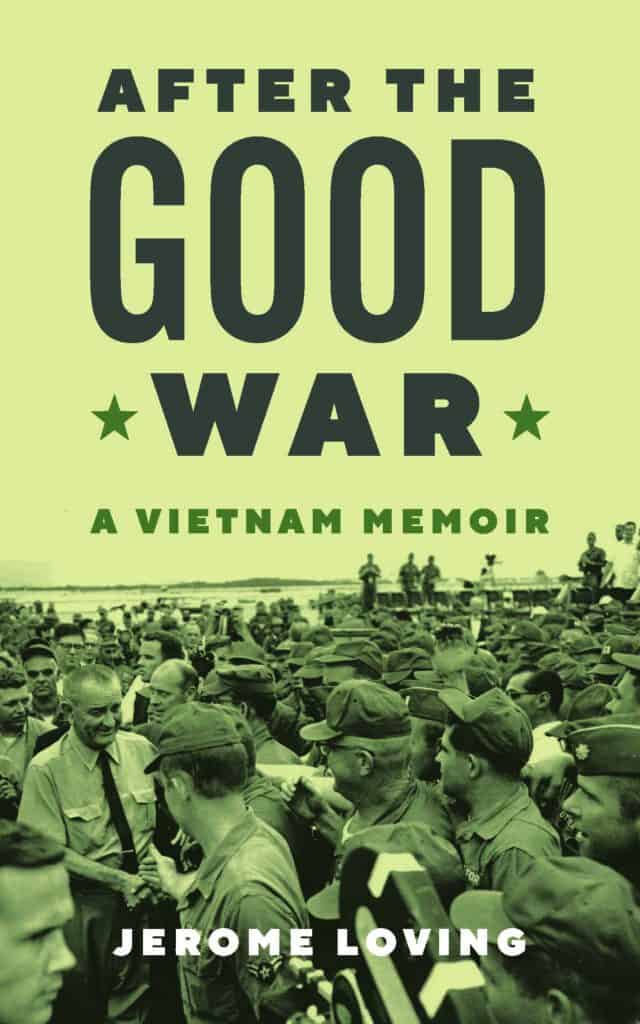
After the Good War is more than a traditional war memoir. Through personal letters and his deployment diary, Loving reflects on his experiences during one of the most defining and complicated periods in American military history. His story is a reminder that war does not always end when a soldier comes home. For many veterans, the memories, unanswered questions and experiences of the battlefield remain long after the uniforms are put away.

In this Veterans Day interview, Loving reflects on his time in Vietnam, the lasting impact of the war, and why he believes the sacrifices of those who served should never be forgotten.
You were just 24 years old when you were sent to Vietnam. What do you remember most vividly about arriving in the country, and how did the reality compare with what you expected?
As our plane began its descent in Vietnam, I peered out the window to see something, anything indicating the war I was about to enter. All that I could discern was a landscape of both jungle and farmland, peaceful enough except for streams of black smoke here and there. I don’t think I knew what to expect, frankly–that was probably the scary part.
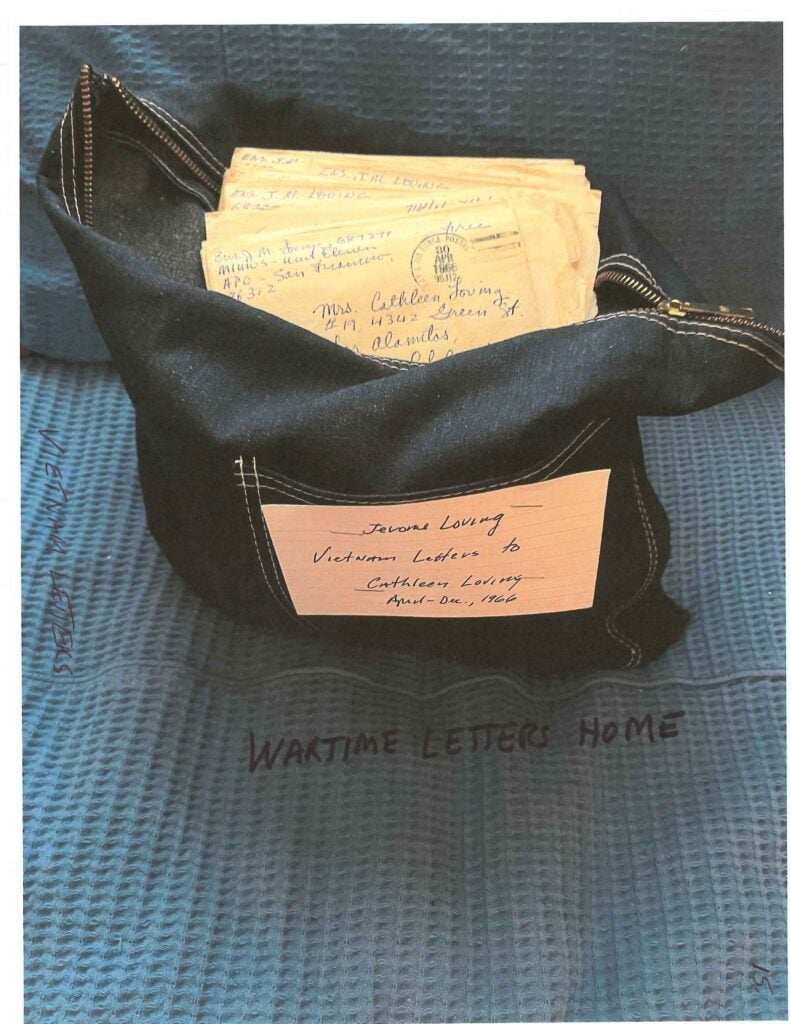
Your memoir draws heavily from letters you wrote to your wife and a diary you kept during your deployment. What was it like revisiting those words more than 50 years later? Did anything surprise you about your younger self?
Perhaps my younger naïveté. Mainly, the letters triggered details that fell into my general memory of Vietnam, an experience that had never left me all those years later.
Unlike many Vietnam War memoirs, “After the Good War” isn’t a conventional combat story. Why was it important to tell the story from your particular perspective, and what do you hope readers take away from it?
I think this review from Book Reviews Cafe will serve as an answer: “A quiet, honest look inside the shadow of an unglamorous war . . . Jerome [Loving] never tries to play the hero. He simply shows how an aimless conflict left deep, lasting scars on ordinary young men, making this a deeply touching read.”
You spent time in Saigon and at Cam Ranh Bay during a pivotal period of the war. Can you share a particular experience or encounter that has stayed with you all these years?
From the book: “Every American knew the obvious risks of living in Saigon. Whenever I went to sleep at night in a Saigon hotel, I placed two water glasses, one on the other, by the door to my room and slept with both loaded pistols [a navy .38 caliber pistol and a privately owned .25 caliber pistol] under my pillow. I suppose I would have shot my mother had she opened that door.”
Your book’s title, “After the Good War,” is particularly intriguing. What inspired it, and what does it say about how Americans viewed the Vietnam War compared with World War II?
“The Good War” is WWII, especially since Studs Terkel’s book of the same name. It was, in fact, our last good war in the sense of no regrets and the U.S. establishment as a world force for peace and democracy, an optimism that led into such “forever wars” as Korea and Vietnam. It is a war that keeps giving in the sense of TV and movie subjects. I was born on Christmas two and a half weeks after Pearl Harbor, and I’ve been living with that memory ever since. It groomed me for Vietnam, which was anything but good.
You left Vietnam in the final days of 1966, but the war continued for nearly another decade. How did you process watching the conflict unfold from home, knowing what you had experienced firsthand?
Frankly, I tried to put it behind me. Half of America wasn’t paying much attention anyway; the other half was in the streets. I threw myself into five years of graduate work, which ended with a Ph.D. in 1973 from Duke University, the same year American troops pulled out of Vietnam, two years before the fall of Saigon. In the 1980s I gave a seminar on American literature and Vietnam, even bringing to the class a former American prisoner of 6 years in Hanoi. Half the class seemed interested, the other half bored–Vietnam was fading already in the American memory, military careers weren’t popular (again until the Gulf War), even my own son wasn’t interested in becoming a naval officer like his father.
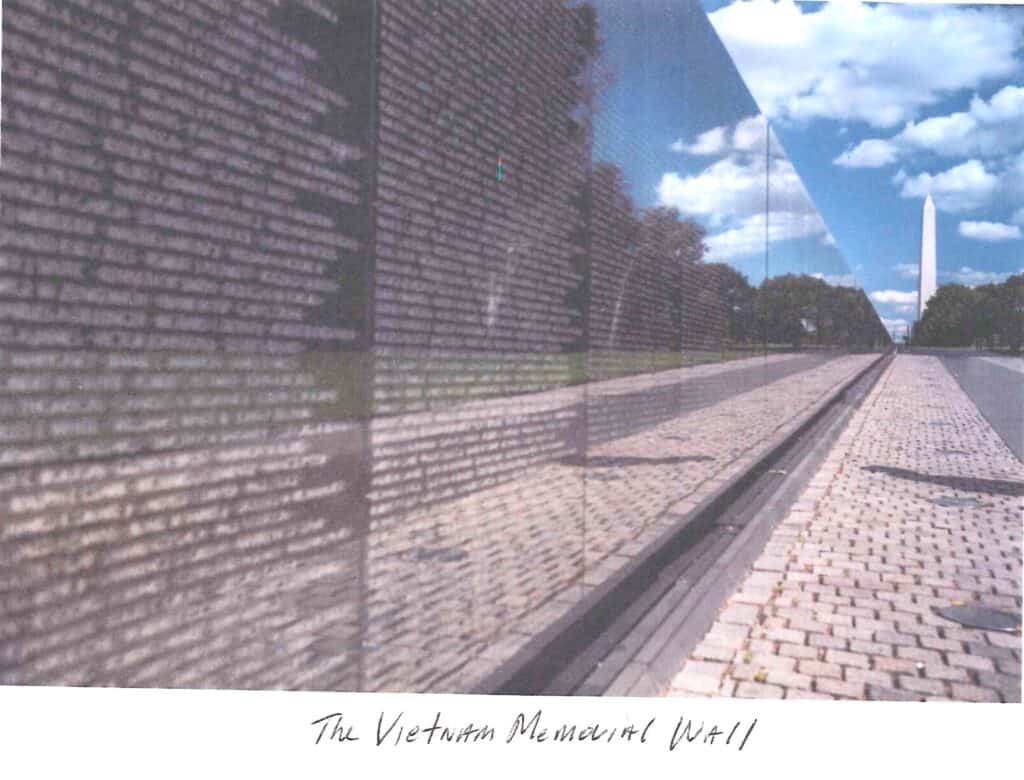
The Vietnam Veterans Memorial in Washington, D.C., plays a meaningful role in your memoir. What does that memorial represent to you personally, and how has its significance changed over the years?
From the book: “Facing the polished black wall in Washington is the bronze sculpture of ‘The Three Fighting Men,’ whose look of bewilderment suggests not only their circumstance but also the national confusion that sent them to Vietnam. Standing with their M-16s, they gaze out into the jungle that often rendered those weapons ineffective. They stare at the Wall . . . to make sense of the entire list of nearly sixty thousand dead or missing. They remain “in country,” as do the still-living members of that venture into the political darkness of this national mistake—one also resulting in much civil unrest at home. The Wall itself grows taller as you walk it—as if its stroll required a descent into the grave of that nearly forgotten era.”
Many Vietnam veterans returned to a country deeply divided over the war. What was your own homecoming experience like, and how did it shape your feelings about military service and the way veterans are treated?
In many ways people hardly noticed. One vet returned to his parents’ house, and his neighbor asked, “Where you been, Johnny?” Many Vietnam veterans became embittered and subsequently led unsuccessful lives. One was my brother-in-law (featured in the book) who died at 52.
With Veterans Day approaching, what does this day mean to you personally? How can Americans move beyond simply thanking veterans for their service to better understand and honor their experiences?
Well, I don’t think it was a problem before Vietnam, certainly not after WWII. Indeed, as a result of the Vietnam quagmire, only around one percent of the citizenry even perform military service. Veterans’ Day today is just another holiday. And saying “thank you for your service,” while nice, almost comes out like an apology for sending them instead of ourselves.
After carrying these memories for more than half a century, why did you decide that now was the right time to share your story? What do you hope your memoir will mean to fellow Vietnam veterans, their families, and future generations?
I wrote the book ten or fifteen years ago as part of an autobiography of my first 24 years, one that culminated with Vietnam. A friend read it and suggested I publish the Vietnam part by itself. I hope that my book reminds us of the sacrifice made not only by those whose names are on the Wall but those whose names probably ought also to be on the Wall.
“After the Good War” is available for purchase online from Texas A&M University Press and Amazon.
________________________________________________________________________________________________________________________
Julia Helsel is an editorial intern for Texas Lifestyle Magazine, a recent graduate of Texas A&M University and a lifelong resident of the Lone Star State. When she’s not traveling, she can be found reading, writing, or playing guitar.
Courtesy Jerome Loving