


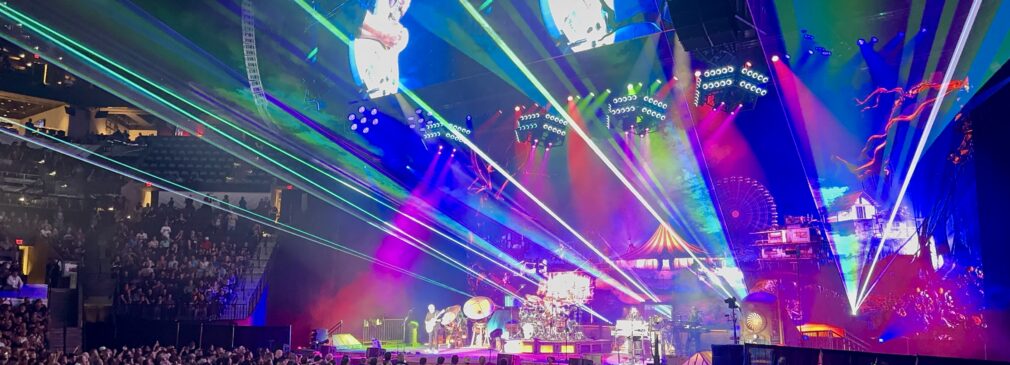
Share
Geddy Lee and Alex Lifeson bring Rush’s Fifty Something Tour to San Antonio, honoring Neil Peart, revisiting five decades of iconic music and introducing a new generation to the band’s enduring legacy.
There was a point during Rush’s concert at the Frost Bank Center Wednesday night when it became pretty clear this wasn’t just another classic rock band heading back out on tour. Maybe it was seeing Geddy Lee and Alex Lifeson standing onstage together again. Maybe it was hearing thousands of people singing songs they have carried with them for decades. Or maybe it was looking around and seeing different generations of Rush fans experiencing those songs together.
Whatever it was, this felt bigger than nostalgia.
Rush brought its Fifty Something Tour to San Antonio on September 23, celebrating more than 50 years of music and doing something many fans probably thought they would never see again. Rush was back onstage.
For longtime fans, there was plenty to take in before the first note was even played. The last Rush tour ended in 2015, and drummer and lyricist Neil Peart died in January 2020 following a battle with glioblastoma, an aggressive form of brain cancer. For years, it seemed the final chapter of Rush had already been written.
But music has a funny way of refusing to stay in the past.
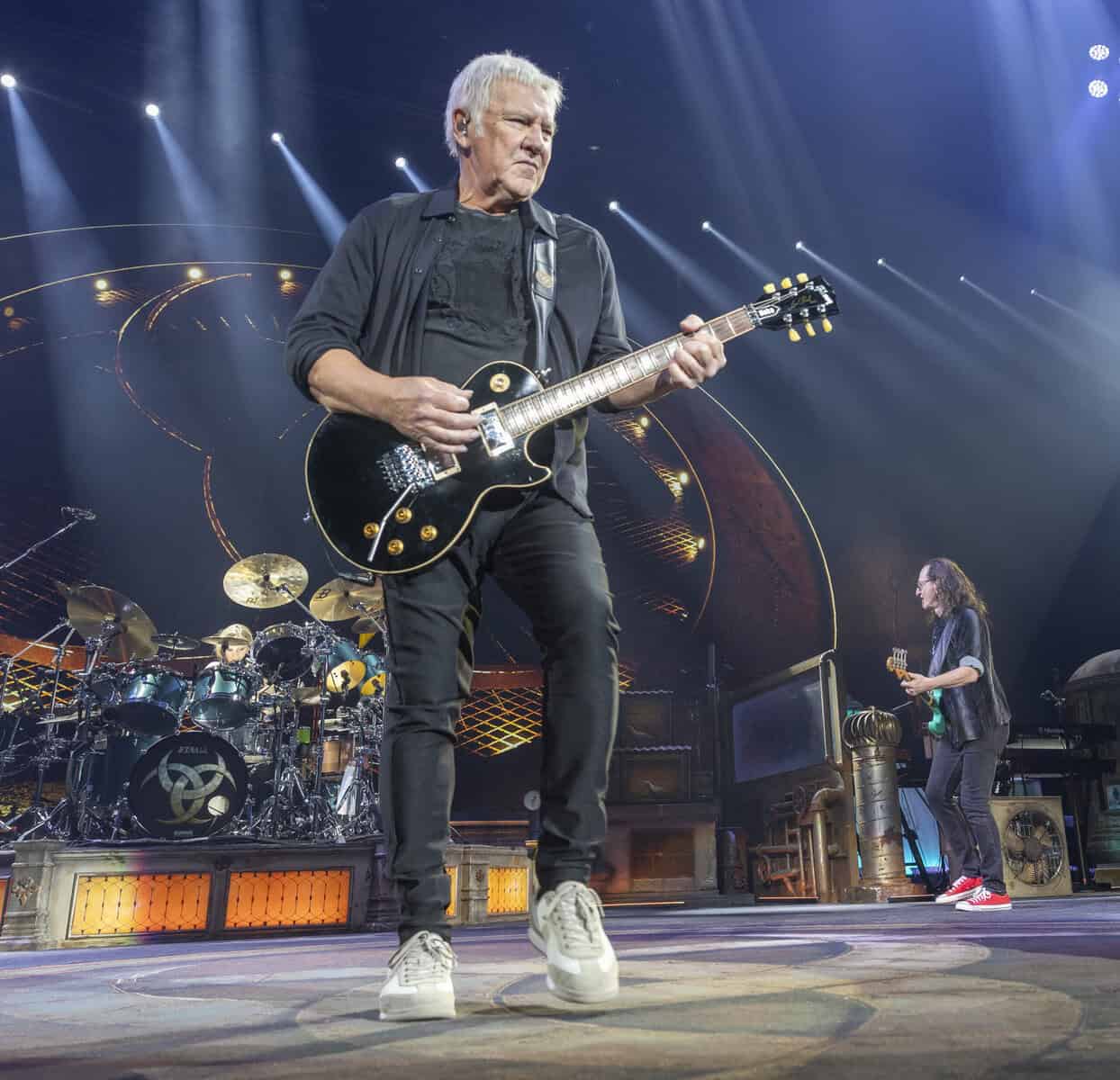
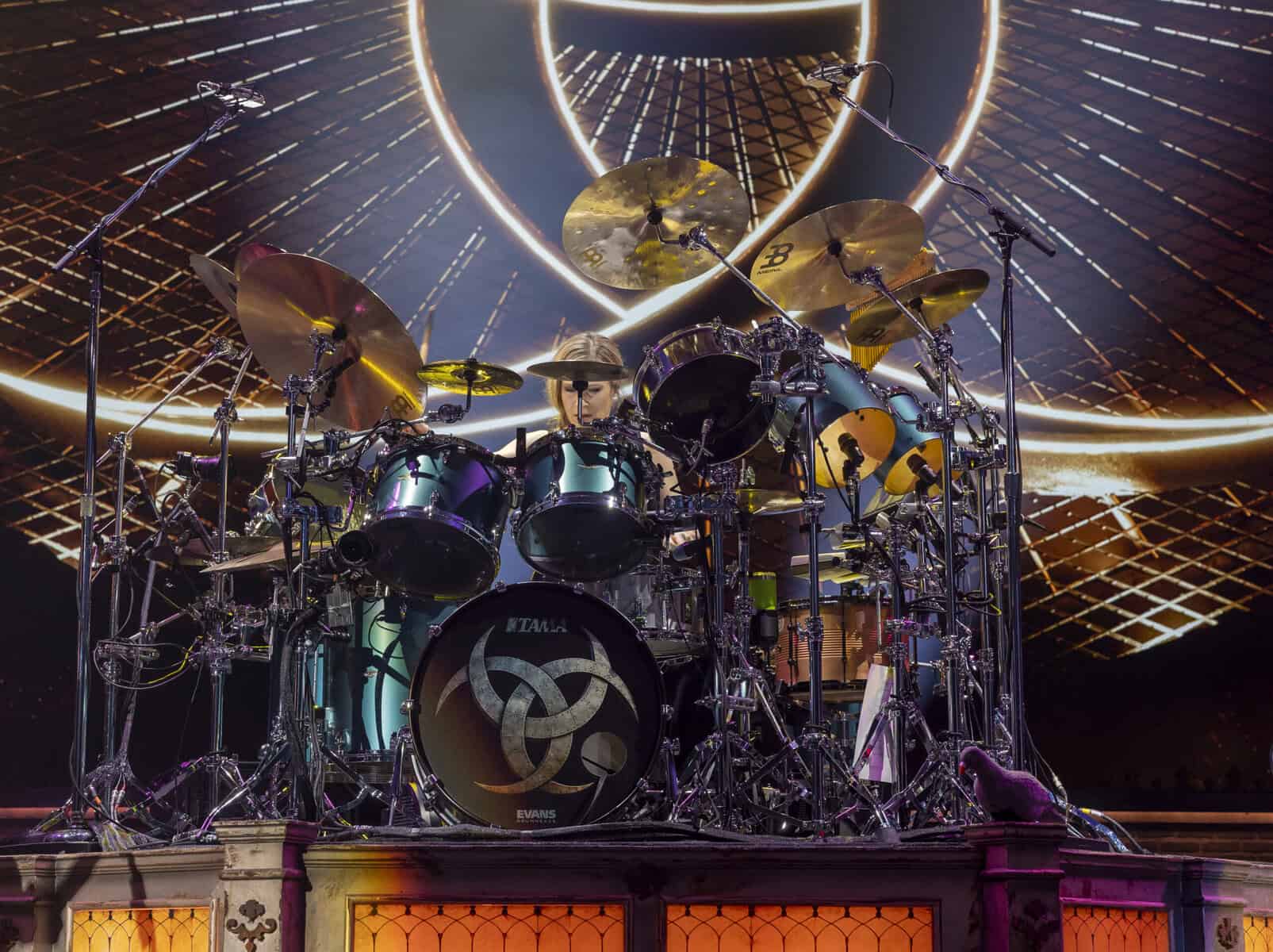
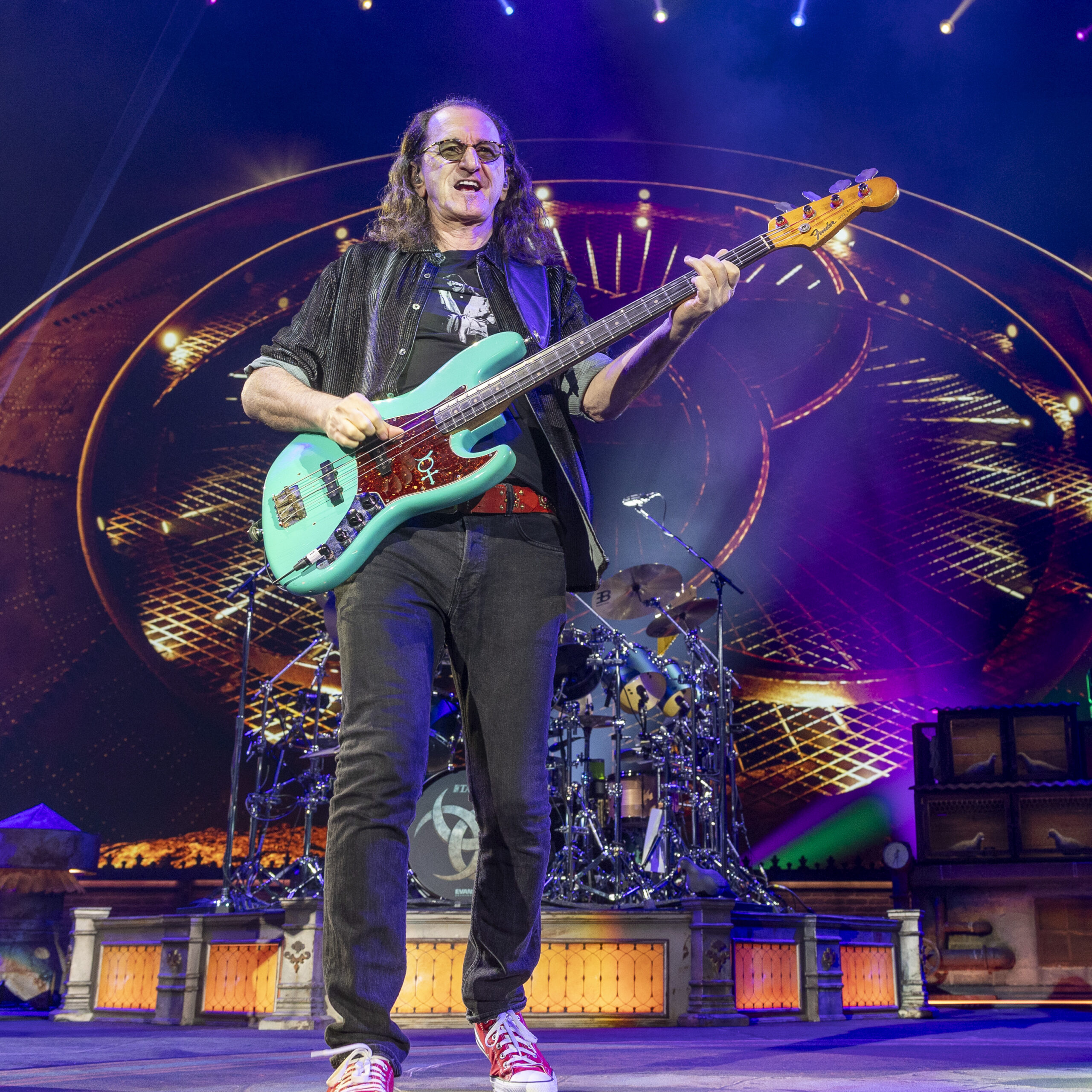
Lee and Lifeson eventually found their way back to playing together, and the result is the Fifty Something Tour. Joining them is drummer Anika Nilles, who stepped into what might be one of the most difficult jobs in rock music. Neil Peart felt irreplaceable from the perspective of most Rush fans.
Peart wasn’t simply the guy sitting behind the drum kit. His playing helped define Rush, and his lyrics gave so much of the band’s music its identity. Asking another drummer to walk onto that stage and somehow become Neil would be unfair to everyone involved, especially Nilles. Instead, she brought something of her own to the music while respecting what came before her. Watching her work through some of Rush’s notoriously complicated material was impressive, particularly when the band launched into the instrumental “La Villa Strangiato” and later “YYZ.”
She wasn’t trying to make anyone forget who used to sit behind that kit, and nobody in the building was going to forget anyway.
Rush opened with “Xanadu” before moving through “The Spirit of Radio,” “The Analog Kid,” “Freewill” and “Subdivisions.” It was the kind of opening run that immediately reminded everyone just how deep this band’s catalog goes.
Following “Subdivisions,” the show stopped for the first of two video collages honoring Peart. The mood inside the arena changed as images of the late drummer filled the screens. When the video ended, the band moved into “Bravado,” followed by “La Villa Strangiato,” “The Trees,” “Distant Early Warning” and “Limelight” to close the first set.
Those tributes mattered because Peart’s presence was woven into the night without the show becoming entirely about his absence. For Lee and Lifeson, he was someone they spent more than four decades making music with. For the rest of us, Peart was someone most fans never knew personally but somehow felt like they did through the music.
That’s one of the strange things about songs. They become attached to pieces of our lives without asking permission. A song can take you back to the first car you drove, a friend you haven’t seen in years, or a night when you were sitting somewhere listening to a record and had absolutely no idea you would remember that moment, decades later.
There was a lot of that feeling inside the Frost Bank Center.
After an intermission and a Nixie Tube countdown on the screens, Rush returned with something special. The band played all seven parts of “2112,” from “Overture” through “Grand Finale.”
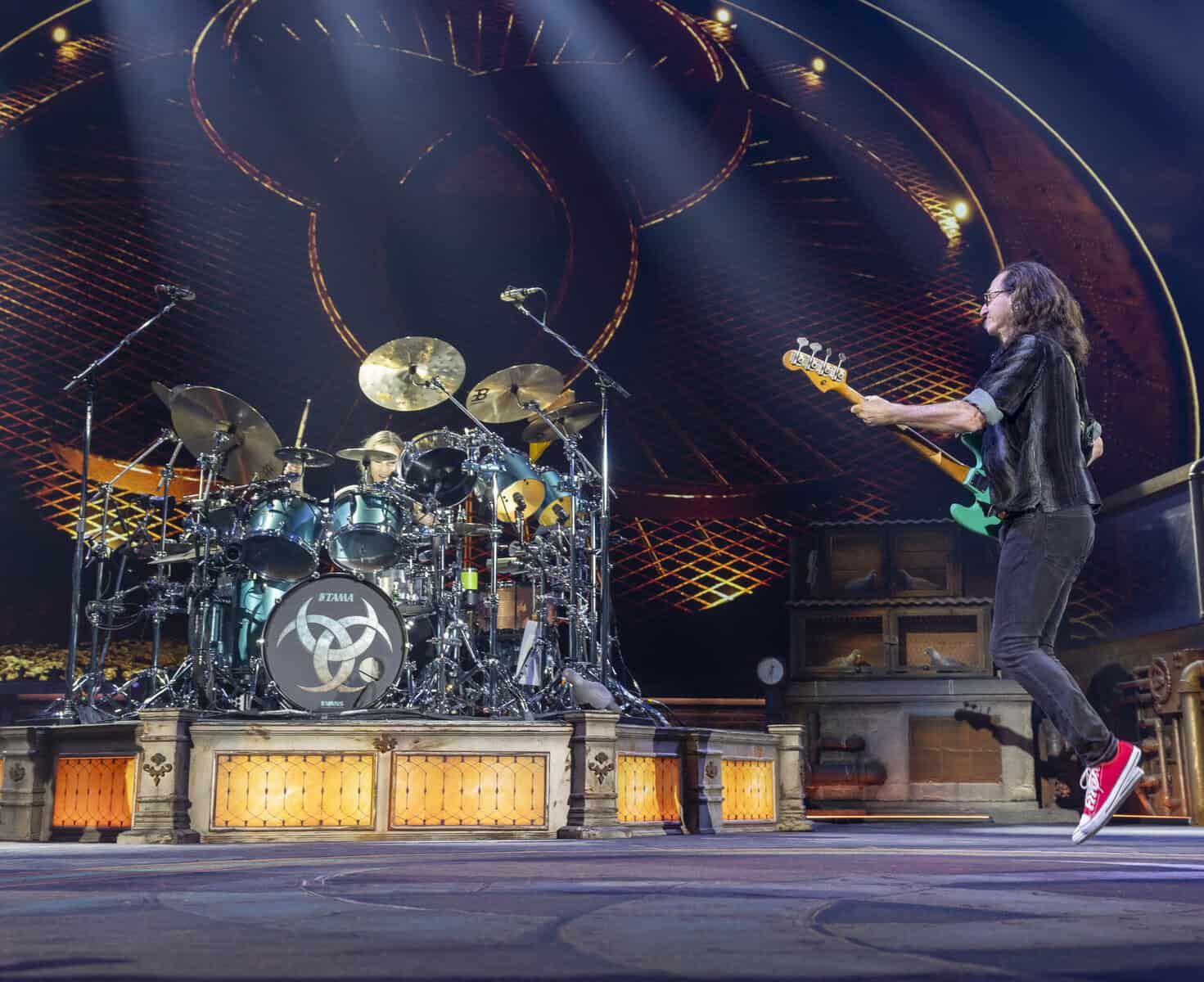
For Rush fans, that sentence probably doesn’t need much more explanation. The album turned 50 this year, making the performance feel like reaching all the way back into the band’s history and pulling something forward. Five decades later, people still knew the changes, the guitar parts and the words.
The second set continued with “Animate,” “Closer to the Heart” and “A Passage to Bangkok” before the second Neil Peart tribute collage appeared on the screens. This time, the tribute led into “Time Stand Still,” a song that already carries plenty of emotional weight on its own. In this setting, the lyrics about time moving too quickly hit a little differently.
From there, the band went back to work with “YYZ,” “Anthem,” “Red Barchetta” and “Witch Hunt.” A familiar South Park intro then appeared on the screens before giving way to that opening synthesizer.
“Tom Sawyer.”
There are certain songs where the first few seconds are enough. The reaction from the crowd said the rest.
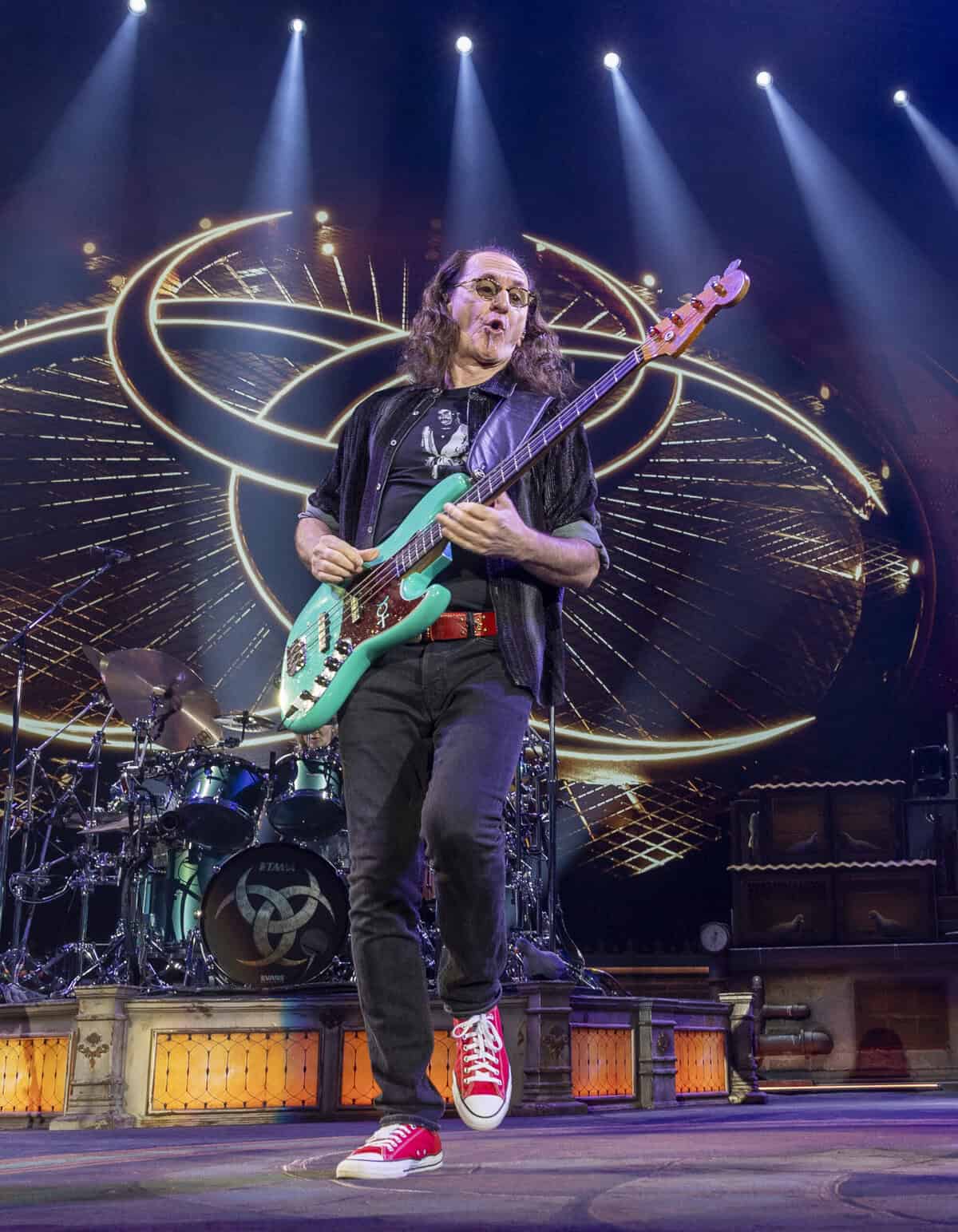
But one of my favorite things about the night had less to do with any particular song. It was the crowd. There were obviously plenty of fans who had been listening to Rush since the 1970s and ’80s, including more than a few wearing shirts from previous tours. But scattered among them were younger fans, kids with their parents and people seeing Rush for the first time who weren’t even alive when some of these records were released. That’s where the idea of celebrating more than 50 years starts to mean something.
Music survives because somebody shares it with somebody else. Maybe your dad played “Moving Pictures” in the car. Maybe an older brother handed you a Rush album. Maybe you discovered “Tom Sawyer” somewhere on your own and started digging backward. However it happens, the music keeps moving.
Now another generation gets the chance to see these songs performed instead of only hearing stories about what a Rush concert used to be like. There is something pretty special about that.
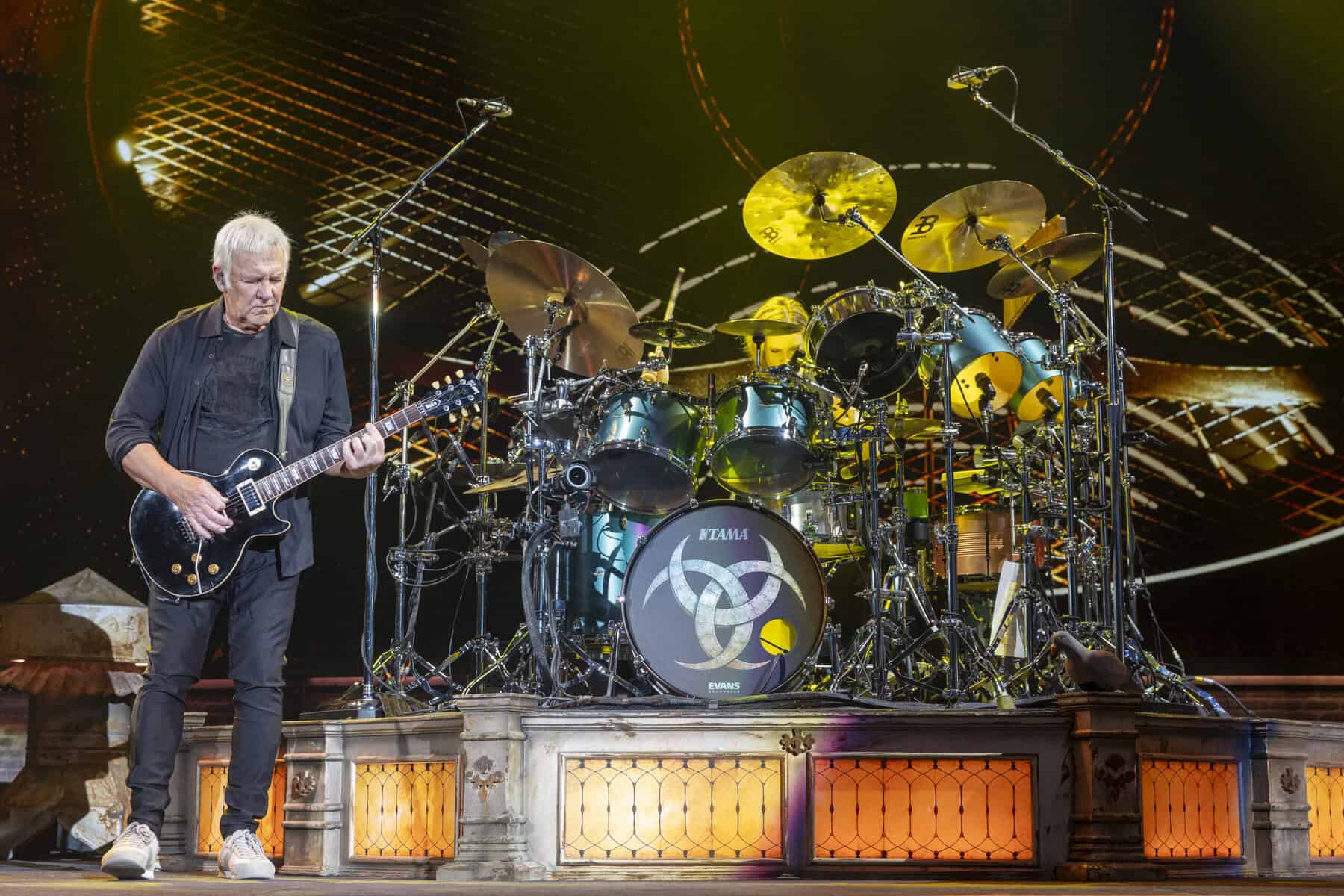
The night eventually circled all the way back to the beginning. After spending more than three hours moving through different periods of Rush’s career, Lee and Lifeson returned for an encore featuring “Finding My Way” and “Working Man,” both songs from the band’s 1974 debut album.
It was a fitting way to end a show celebrating more than 50 years. After everything that came in between, Rush went back to where it started.
There was also something almost poetic about hearing “Working Man” close the night. Rush spent half a century building one of the most distinctive catalogs in rock music, but underneath the complicated time signatures, progressive rock epics and massive stage productions were three guys who spent a lifetime working at their craft.
Now there are two, and that reality can’t be ignored. Thankfully, this tour doesn’t try to ignore it. Neil Peart isn’t treated like a chapter that had to be closed before Rush could continue. He remains part of the story.
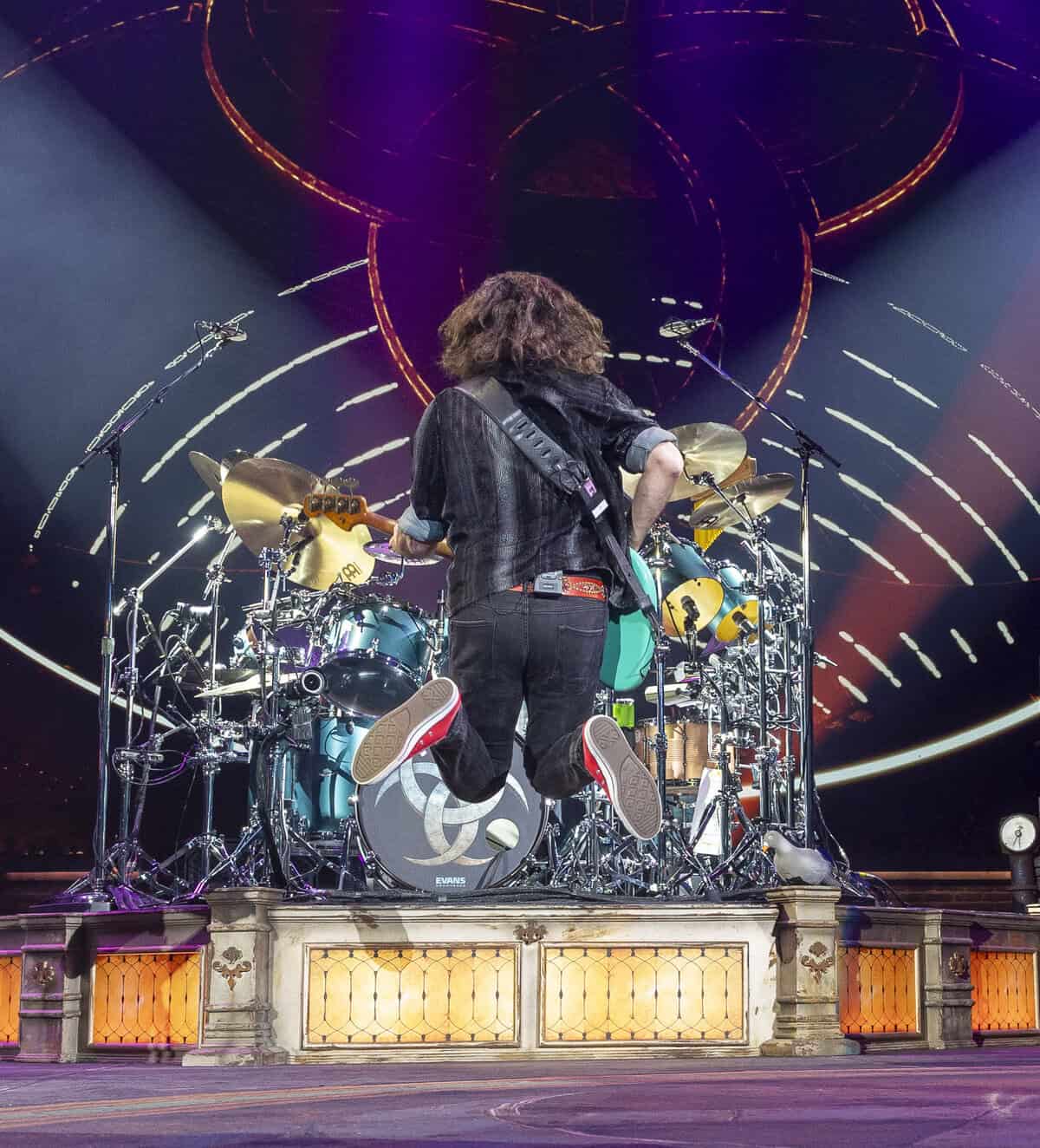
This didn’t feel like Lee and Lifeson trying to recreate the Rush of 1981, nor did it feel like an attempt to pretend nothing had changed. A lot has changed. They’re older. We’re older. Someone important is missing, but the songs are still here.
Maybe that’s what nostalgia really is. It isn’t necessarily wanting to go backward. Sometimes it’s realizing that something you loved a long time ago still means something to you today.
More than 50 years after this music started its journey, Rush filled an arena in San Antonio with people who still wanted to hear it. Some had been carrying those songs for decades. Others are just getting started.
And somewhere between those two generations, the music keeps moving forward.
______________________________________________________________________________________________________________
Cover Photo Brian Maass
Brian Maass is a native Austinite, writer and photographer covering live music, travel, and culture, with a passion for storytelling through the lens of his camera. He lives in Round Rock with his wife, Dr. Dana Kent Maass, and their rescue dog, Chester. Instagram @brian_maass_adventures.