


Share
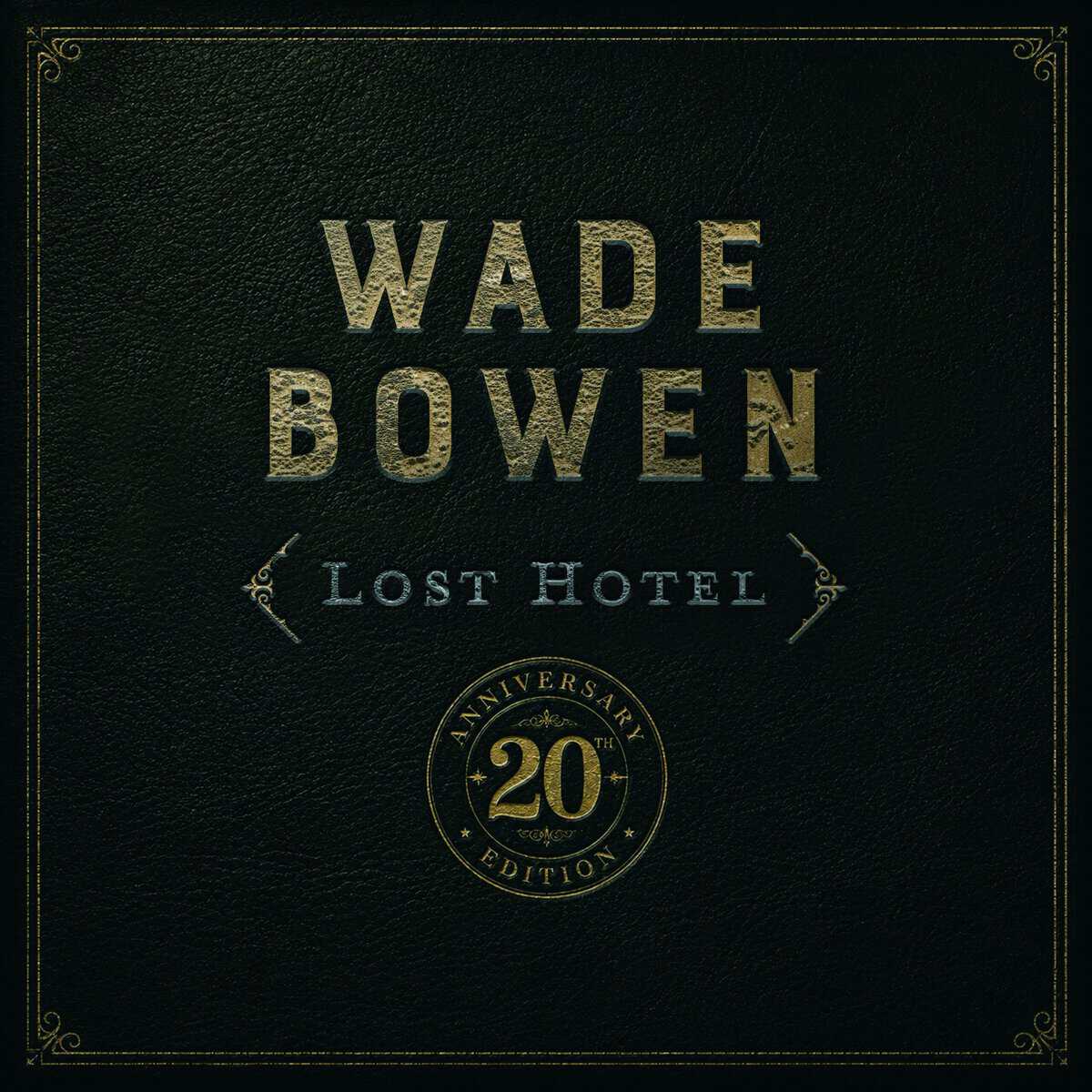
20 years ago, Wade Bowen’s album “Lost Hotel” came out. With hits like “Mood Ring” and “God Bless This Town,” you can still hear these songs live today – with people singing along to the songs who probably weren’t even alive when they first came out. That’s just a nod to who Wade Bowen is. He pioneered the way for red dirt country and now, 20 years later, he has re-mastered the album we all know and love.
We had the chance to sit down with Wade and talk to him about what this re-release means to him.
Twenty years ago, you released “Lost Hotel,” a record that would ultimately become such a defining piece of your career. When you look back at the Wade Bowen who was making that record in 2006, what comes to mind first?
Man, I was hungry. I wanted so badly to make a record I could stand behind, and I was still figuring out what that sounded like. A lot of life happened in the time it took us to make it, too. I met Shelby and became a dad while we were working on that record. When I hear it now, I hear a guy trying to find his footing in just about every part of his life.
You’ve talked about how this record took nearly three years to make, piecing together money and recording whenever you could. When you were in the middle of that process, did you have any idea what the record would eventually mean for your career?
Hell, there were days I wondered if we were ever gonna finish it. We’d get enough money together to go back in the studio, get some work done, and then go play shows. After almost three years of that, I just wanted to get it out there and see if the songs meant something to somebody else. The idea that I’d still be singing them twenty years later would’ve been pretty hard for me to wrap my head around.
You’ve described “Lost Hotel” as the record where you really started finding your identity as a songwriter. Was there a particular song or moment during that process when something started clicking for you?

“Crazy Enough” is the one that comes to mind. I think I was starting to trust myself more as a writer around then. When I listen to that song now, I can hear myself getting more comfortable saying things the way I’d actually say them. That seems simple now, but it took me a while to get there. “Crazy Enough” was one of those songs where I thought, “Yeah, that sounds like me.”
One of the coolest parts of this anniversary project is that you’re including nine previously unreleased studio tracks. When you went back through those recordings, were there any songs that surprised you or made you wonder why they never made the original album?
“I Can’t Hang On.” I heard it again and thought, “Man, how’d we leave that one off?” When you’re making a record, you spend so much time deciding which songs belong together. Then twenty years go by, you put one of those songs back on, and it sounds right at home with the rest of them. I’m glad people finally get to hear that one.
You could have simply remastered the original album and celebrated 20 years, but instead you’re giving fans 30 tracks worth of material from that era. What made it important to you to open up the vault and share so much more of that?
I wanted people who’ve lived with this record for twenty years to have something new to dig into. One of my favorite things about the whole package is that you can hear “How About You” as a studio recording and then hear me play it acoustic at KNBT in New Braunfels in 2003. That’s a piece of my life I’m glad we still have. Getting to put the record on vinyl for the first time was special, and having room for those old recordings made it feel like we could finally tell the whole story. I think it’s a beautiful time capsule for anyone that cares. Haha
Is there anything you discovered about your younger self as a songwriter by listening back to these recordings? Maybe something you had forgotten about your writing process or the way you approached music back then?
I’d forgotten how willing I was to follow an idea and see where it went. We cut some songs with a lot of guitars and some that needed a little more room to breathe. I can hear myself trying things out and getting more comfortable with what came naturally to me. I think there’s something good about hearing yourself before you’ve had twenty more years to get in your own head about it.
Songs like “God Bless This Town,” “Mood Ring” and the title track have remained part of your catalog for so many years. Does it feel different performing songs that are now 20 years old, knowing how much life you’ve lived since writing them?
Oh, absolutely. “God Bless This Town” feels different depending on where we’re playing and who’s in the room. And with “Mood Ring,” I can look out and see people who’ve been singing it with us for years standing next to somebody who probably wasn’t born when it came out. Everybody brings a little of their own life to those songs. I do, too. That’s what keeps them fun to sing.
When you think about the legacy of “Lost Hotel,” is there one song on that record that you think best represents who you were at that point in your life?
I’d say “Walkin’ Along the Fence Line.” I wanted to go everywhere and play every show I could, and at the same time I was starting a family and trying to figure out what it meant to be home. I was still learning how to do both. When I hear that song now, I can hear how restless I was back then. I think that’s the one that takes me right back to who I was. There were so many questions and people telling me music was a dead end road with no money. For sure it’s a tough life, but damn it’s been a good road I’m sure glad I have traveled down.
This album came out during a really important time for Texas and Red Dirt music. When you look at how much the scene has grown over the last two decades, what stands out to you about being part of that generation of artists?
How much everybody leaned on each other. You’d get a chance to open for somebody, play your songs for their crowd, and hope a few of those people came back the next time you were in town. The clubs and the radio stations gave us a place to get better, and the fans showed up early enough to hear us do it. I think about that now when I see young artists coming up. Having a room where you can get up there, play your own songs and give people a reason to come back still means a hell of a lot.
You’re celebrating 20 years of “Lost Hotel” at a time when you’re also continuing to release new music and evolve as an artist. Do you find yourself looking back at your older work differently now that you have so much more perspective?
I’m probably a little kinder to it now. For a long time, I could hear an old recording and go straight to the vocal I wished I’d sung differently. Now I hear the band, I remember what it took to get in the studio, and I think about where I was in my life. Getting to put out “The Version Of Me You Get” and revisit “Lost Hotel’ in the same year has been pretty special. I can hear how much I’ve changed, and I can still hear the guy who gets excited when a song starts coming together.
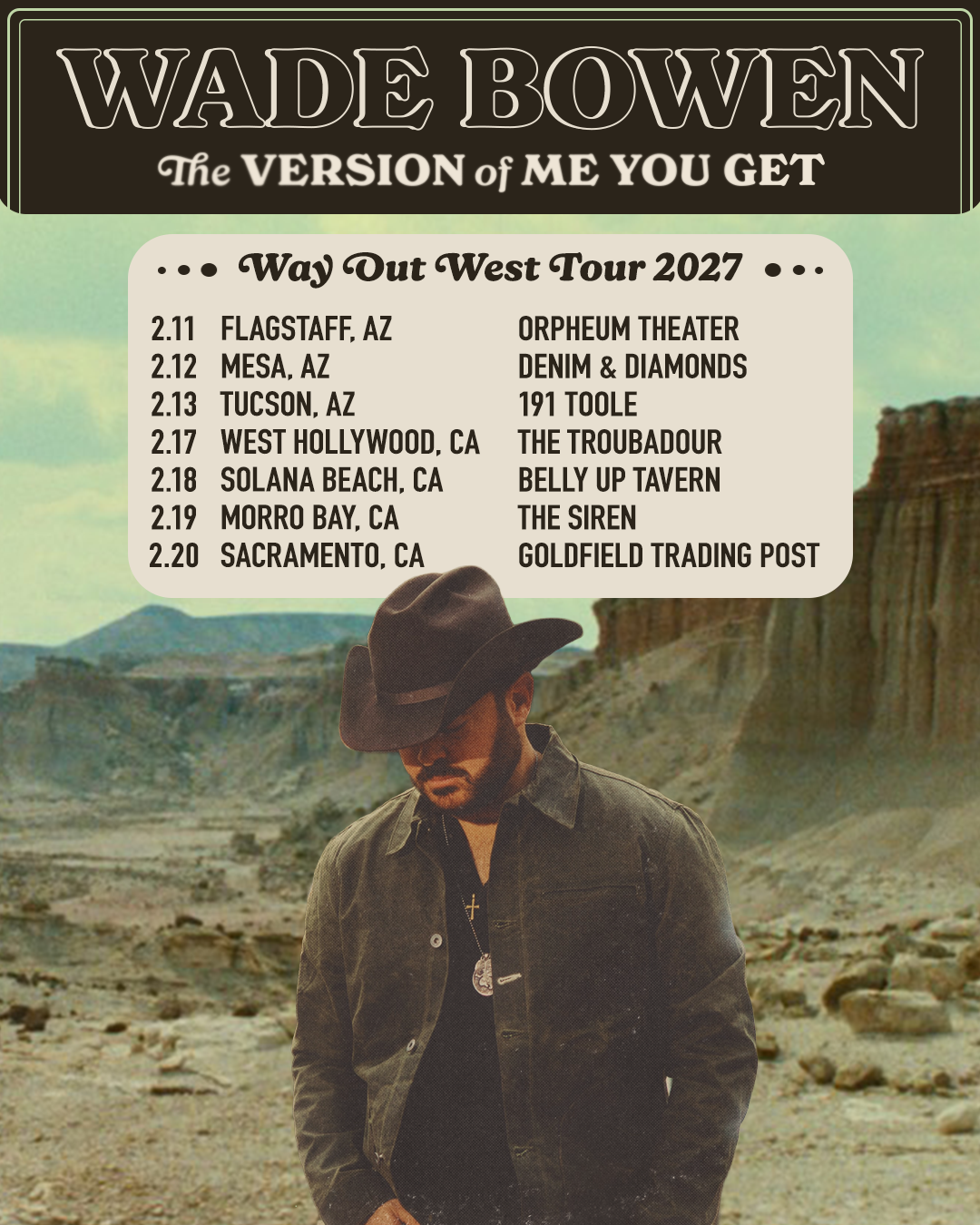
You can stream Lost Hotel 20th Anniversary Edition starting November 20th. Check out where you can see Wade Bowen near you here.
___________________________________________________________________________________________________________________
Cover Photo Courtesy Wade Bowen
Emily Hord is the Assistant Editor of Texas Lifestyle Magazine and a native Texan. She graduated from Texas A&M University, and in her free time she enjoys going to see live music and spending time with her friends and family.