


Share
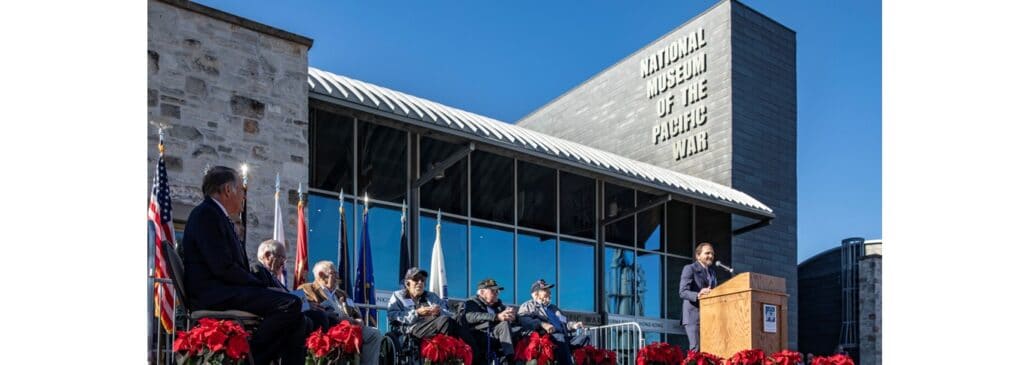
Almost 16 years after it first opened, the George H.W. Bush Gallery at the National Museum of the Pacific War in Fredericksburg reopened on December 6, 2025, with a complete transformation.
A Gallery Reimagined
The museum has reimagined how the story of the Pacific War is told, creating new ways to connect with visitors across generations.
Every wall, floor, and display was redesigned. New lighting and lighter colors create a brighter space, replacing what some visitors described as a “maze-like” layout. “We wanted to create less confusion in the space and more opportunity to just continue following the chronology of the war,” added Nicole Bagley, Director of Collections and Exhibits.
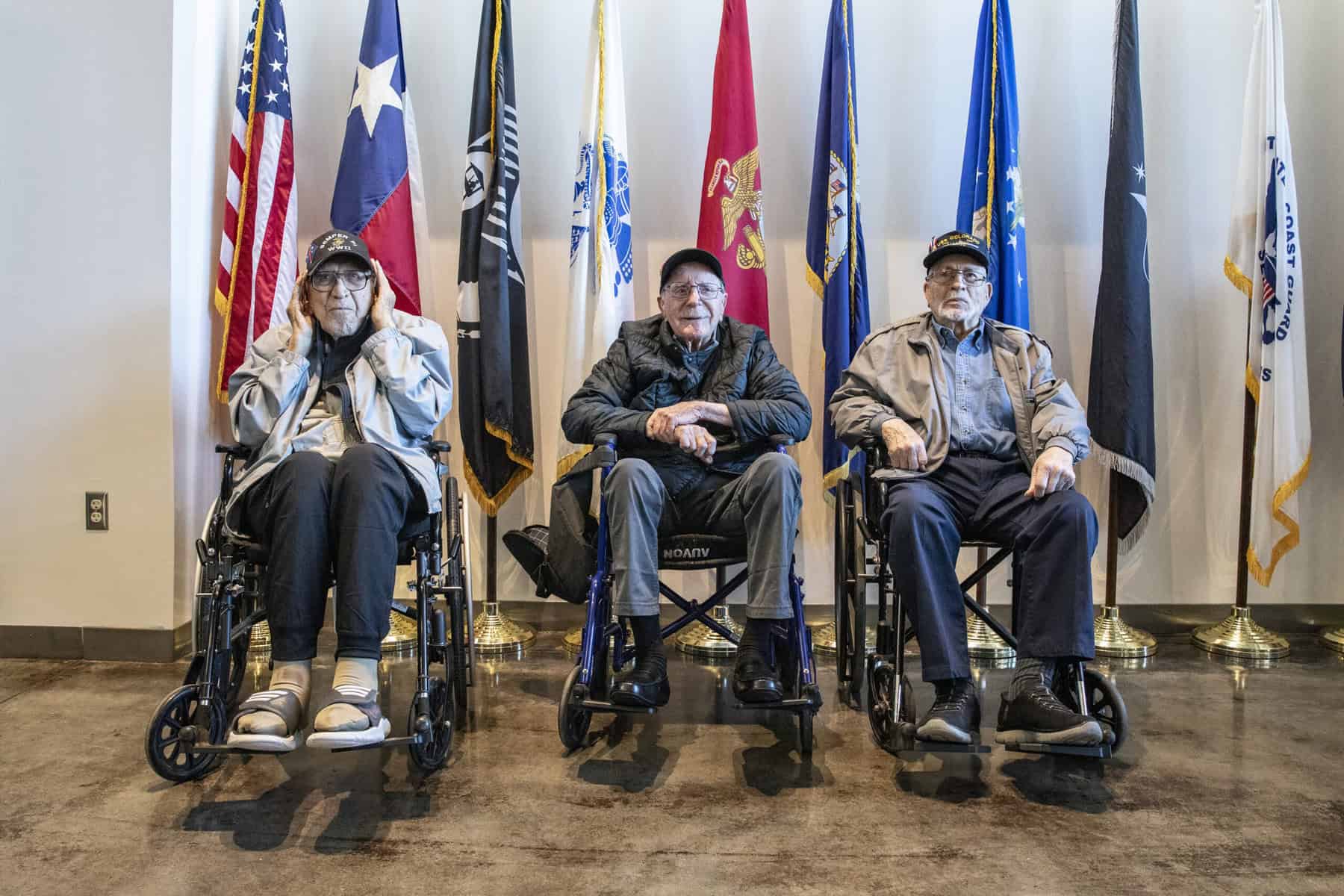
When the Bush Gallery first opened in 2009, many WWII veterans were still visiting. Today’s audience expects something different. “The audience changes, demographics change, what people expect has changed,” said Museum Director David Shields. “If you think about someone who could be 25 years old now, they were born in 2000. Their expectation of the museum is very different from people who were born in 1945 or 1955.”
The team worked to streamline the visitor experience, ensuring the gallery could be enjoyed in a more approachable timeframe. Visitors can now explore the entire space in about two hours. “Modern visitors coming to Fredericksburg want to see the vineyards, the restaurants, the natural beauty, the shopping,” Shields explained. “We have to make sure our gallery experience fits into that new visitor’s experience.”
The redesign also changed the atmosphere. “Whereas before it was red, blacks, and a dark tan, now it’s lighter blues and tans and uplighting,” Shields said. “It has a fresher, more modern feel that will encourage people to get through it easier.”
Crafting the Experience
The renovation introduces new ways to experience history, from child-friendly storytelling to immersive technology.
One highlight is the gallery’s first dedicated children’s area. “In all of the 37,000 square feet of visitor space, there wasn’t a targeted area focused for children’s perspective,” Shields said. “We are not dumbing it down. It is about how they see history, how we can interpret this very unique period from their point of view.”
Another centerpiece is The Rescue: A Submersive Experience, an interactive experience based on a 1944 submarine mission that evacuated American and Filipino families from Japanese-occupied territory. “We interpret that story, and then adjacent to that, we create a really neat still-based orientation of a submarine exhibit,” Shields explained.
Visitors also meet nine virtual characters throughout the gallery, each based on a real individual from the war. “Instead of relying exclusively on passive, interpretive labels, which can sometimes overwhelm visitors, part of what we do is with virtual characters,” Shields said. “They help interpret the story.”
One example is Ensign Kazuo Sakamaki, the Japanese officer captured after Pearl Harbor. He speaks directly to visitors beside the submarine he commanded. Bagley explained, “There are more opportunities to participate in the space. You can actually feel like you were in the environment and will encounter interpretation and storytelling in various ways.”
For the team, introducing these elements was about making connections across generations. “A multigenerational family can come and all have something to take away, whether they are 80 or 8 years old,” Bagley said.
Behind the Scenes
The logistics of the renovation were enormous. “We had 800 artifacts on display from the 2009 iteration,” Bagley said. “All of those had to move out of their display cases and into our collection storage areas, while also safely moving around demolition crews.”
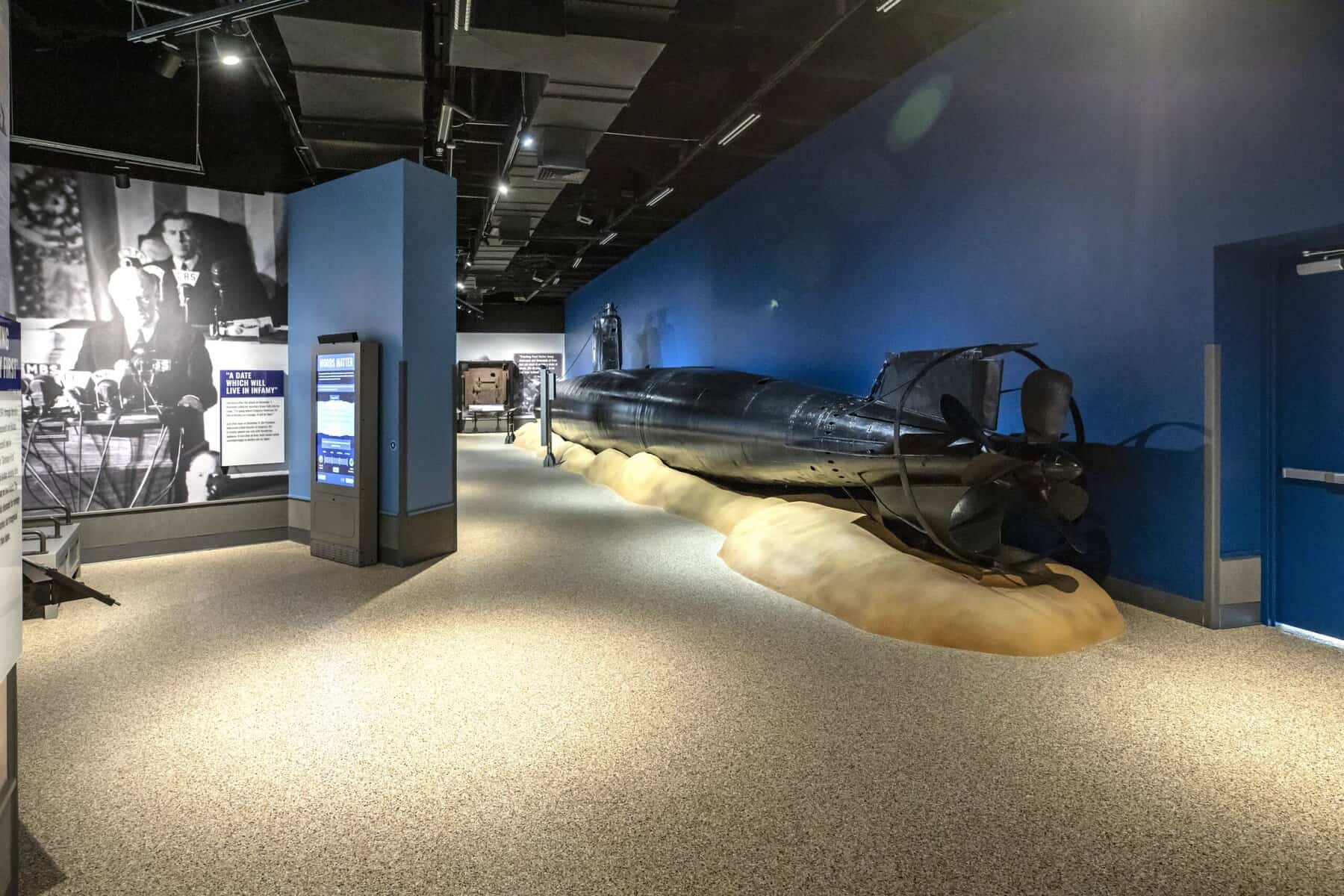
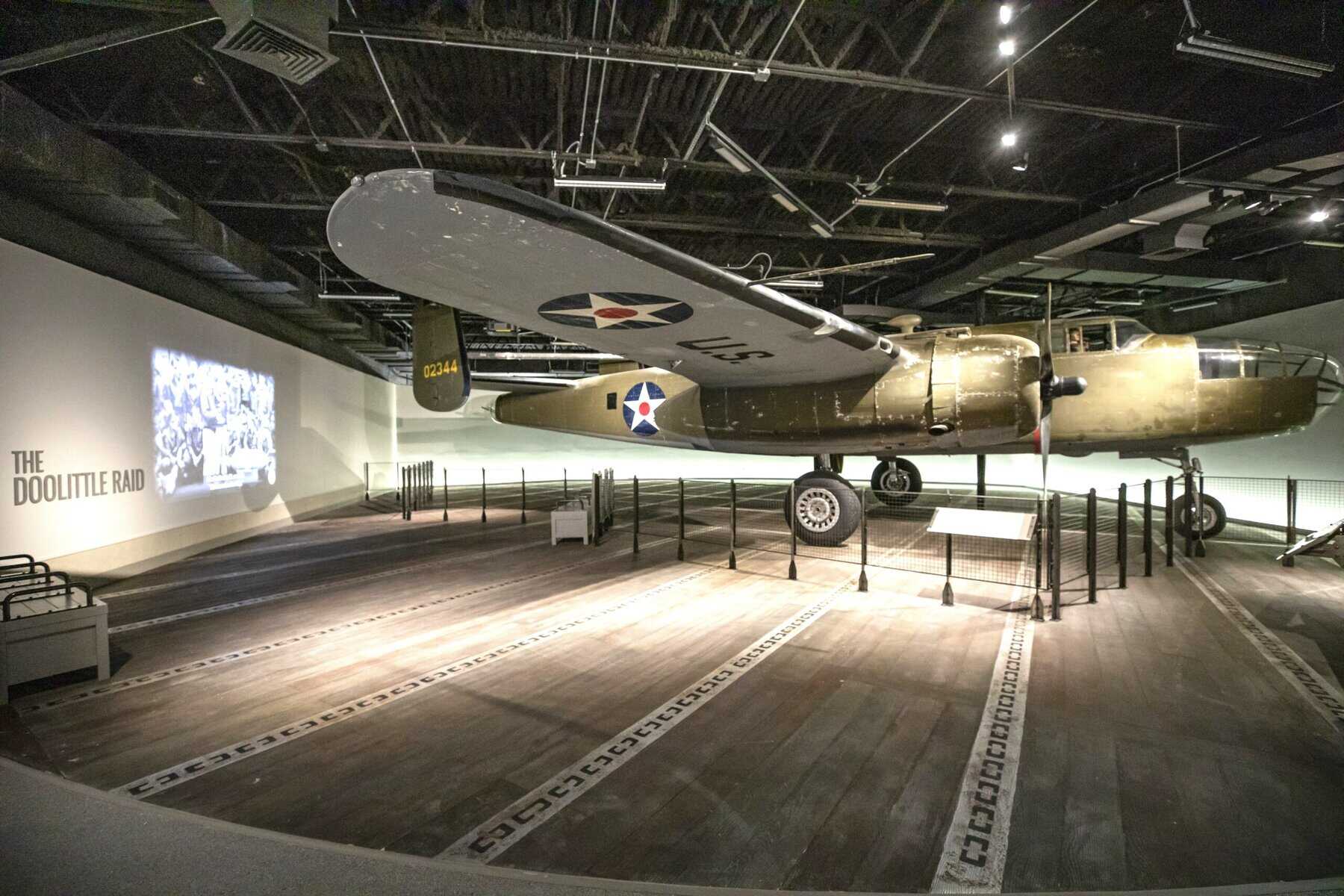
Some of the largest artifacts posed the greatest challenges. “We moved a 37-millimeter Japanese gun out and replaced it with a Type 99 105-millimeter Japanese mountain gun using a forklift inside the gallery,” Bagley recalled. Protective flooring had to be laid so the new epoxy surfaces would not be damaged. “There were a lot more logistics to moving macro artifacts around in the space than I think we had ever imagined,” she admitted. “You can’t anticipate something if you’ve never done it.”
The team also faced pivotal choices during the planning stage. The Rescue exhibit was not part of the original renovation scope. Shields remembered a turning point in a conversation with former museum president General Michael Hagee. “I remember General Hagee saying, if not now, then when?” That question pushed the staff to be bold, reimagine the gallery, and add new layers of storytelling.
The renovation also required trust and open communication with external partners. “It is very important that you have a trusting relationship with your exhibitors,” Shields said. “They have to share your vision.”
Bagley added that the work was layered on top of already demanding jobs. “The renovation of the Bush Gallery was added on top of every department’s full-time workload. No other education programs, collections work, or marketing stopped,” she said. “It’s been a testament to every department.”
A Call to Reflection
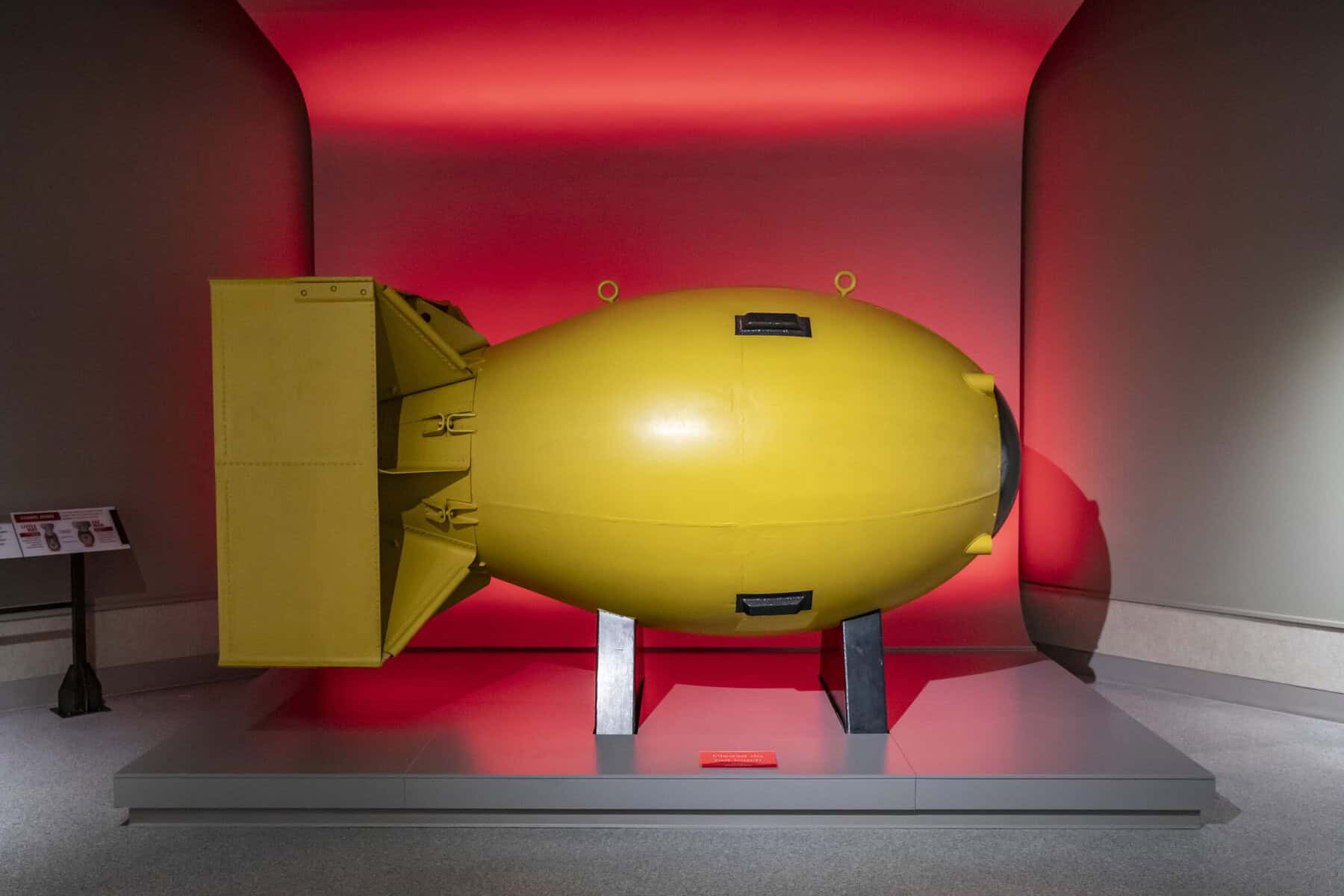
At the end of the gallery, the new Relevance Gallery invites visitors to wrestle with moral and ethical questions. Should a commander ever surrender? Was dropping the atomic bomb justified?
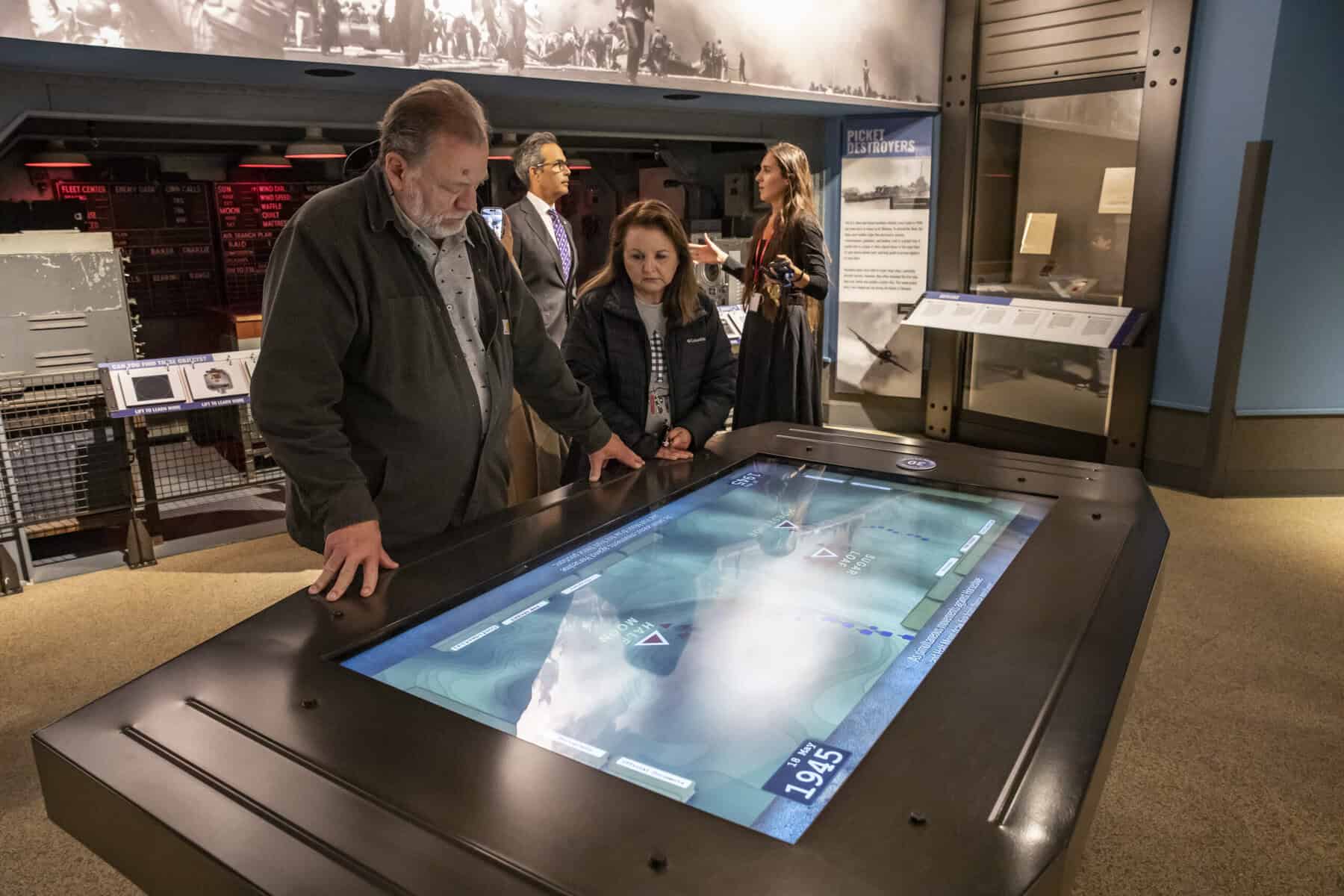
Visitors answer through digital kiosks, then see how others responded that day, month, or year. “Maybe all the young people have a consensus,” Shields said. “That could be kind of cool to see compared to people over 50.”
For Bagley, the new approach helps visitors see history in themselves. “We want every visitor to be able to see themselves in the gallery in some way regardless of their background,” she said.
The polling technology even breaks down responses by age group. Visitors can also leave free responses that, once curated, may be displayed in the gallery. “When you get in there, you can see answers from other people,” Shields said. “It creates a conversation that continues beyond the exhibit.”
Why It Matters
For Shields, the Pacific War’s lessons remain urgent and contemporary. “Modern museums matter because they find a way to connect to the present day,” he said. “I think the message our museum carries is powerful because its foundation is freedom, and freedom is not a static concept but something people must continually defend and value.”
The Bush Gallery, like the museum as a whole, remains rooted in its origins as a tribute to Fleet Admiral Nimitz and those who fought in the Pacific. In the 1960s, local leaders persuaded Nimitz to allow the use of his name, though he resisted at first. “He said, no way. This is not about me,” Shields said. “This is about all the men and women that fought in the Pacific War.”
Decades later, George H.W. Bush gave his name to the gallery with similar humility. “He didn’t want this all to be about him, but he understood that his name could draw attention,” Shields explained.
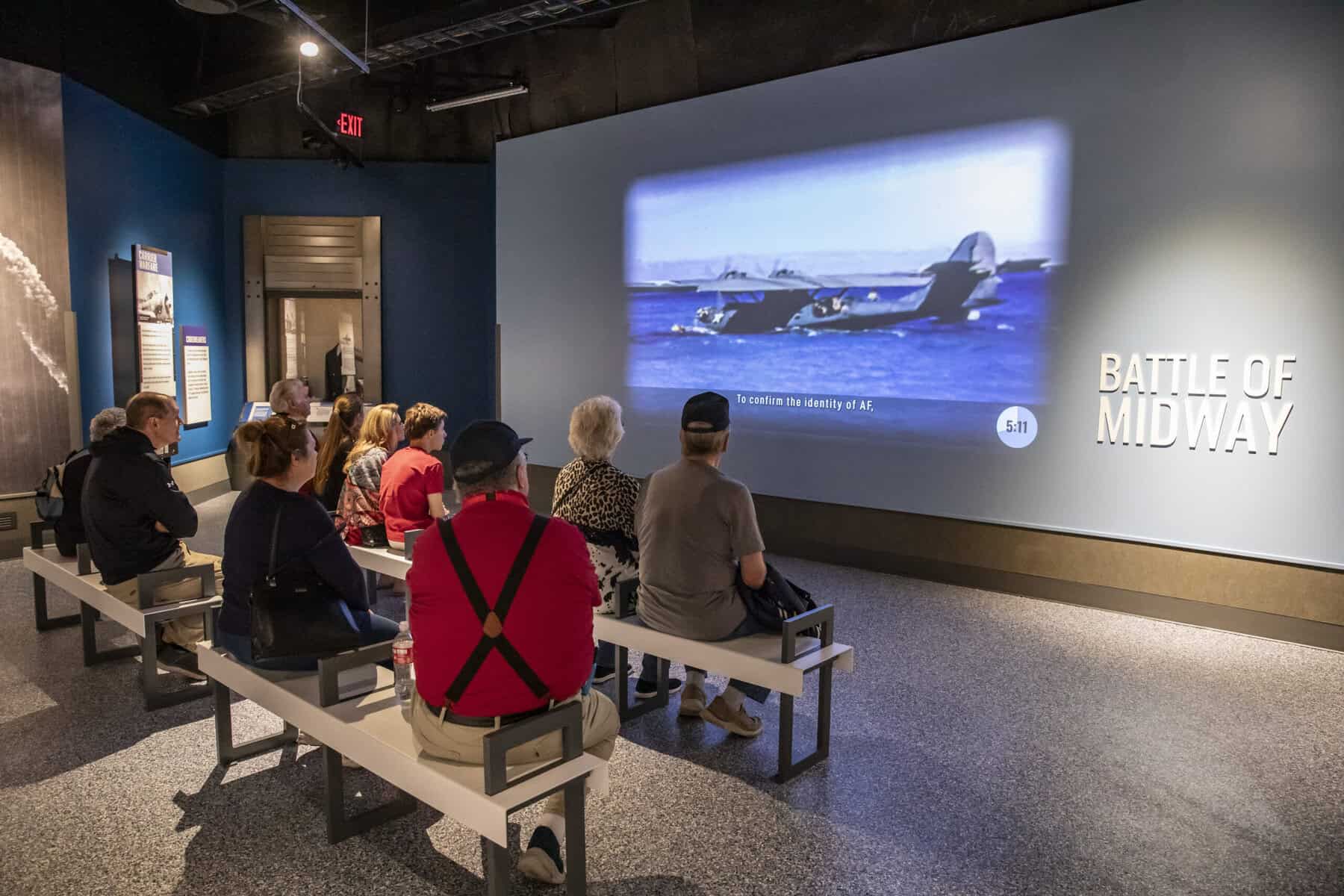
Today, the renovated Bush Gallery continues that legacy, interpreting the war with both reverence and relevance. “One key message is that in this time in American history this nation came together and fought for freedom,” Shields said. “It’s important that we continue to fight for freedom in a myriad of ways.”
Bagley echoed that thought. “At the end of the day, what we want is for people to leave understanding that history is not frozen in the past. It speaks to who we are today and the choices we make for tomorrow.”
Planning Your Visit
Fredericksburg has long been a destination for history lovers, wine aficionados, and weekend wanderers. The renovated Bush Gallery is now another compelling reason to visit.
Begin your day with the gallery, then stroll down Main Street for preserved German architecture, boutique shops, and Texas Hill Country hospitality. In the afternoon, wind down with a glass of local wine or enjoy a charcuterie board with live music at a tasting room. The combination of immersive museum storytelling and Fredericksburg’s laid-back charm makes for a perfectly Texan cultural weekend.
___________________________________________________________________________________________________________
Cover Photo courtesy of the Texas Historical Commission
Haley Hull is the Marketing Director at the National Museum of the Pacific War (NMPW) in Fredericksburg, Texas. She leads marketing initiatives that connect audiences with the Museum’s work to honor the legacy of the Greatest Generation and inspire all ages with the enduring relevance of the Pacific War.