


Share
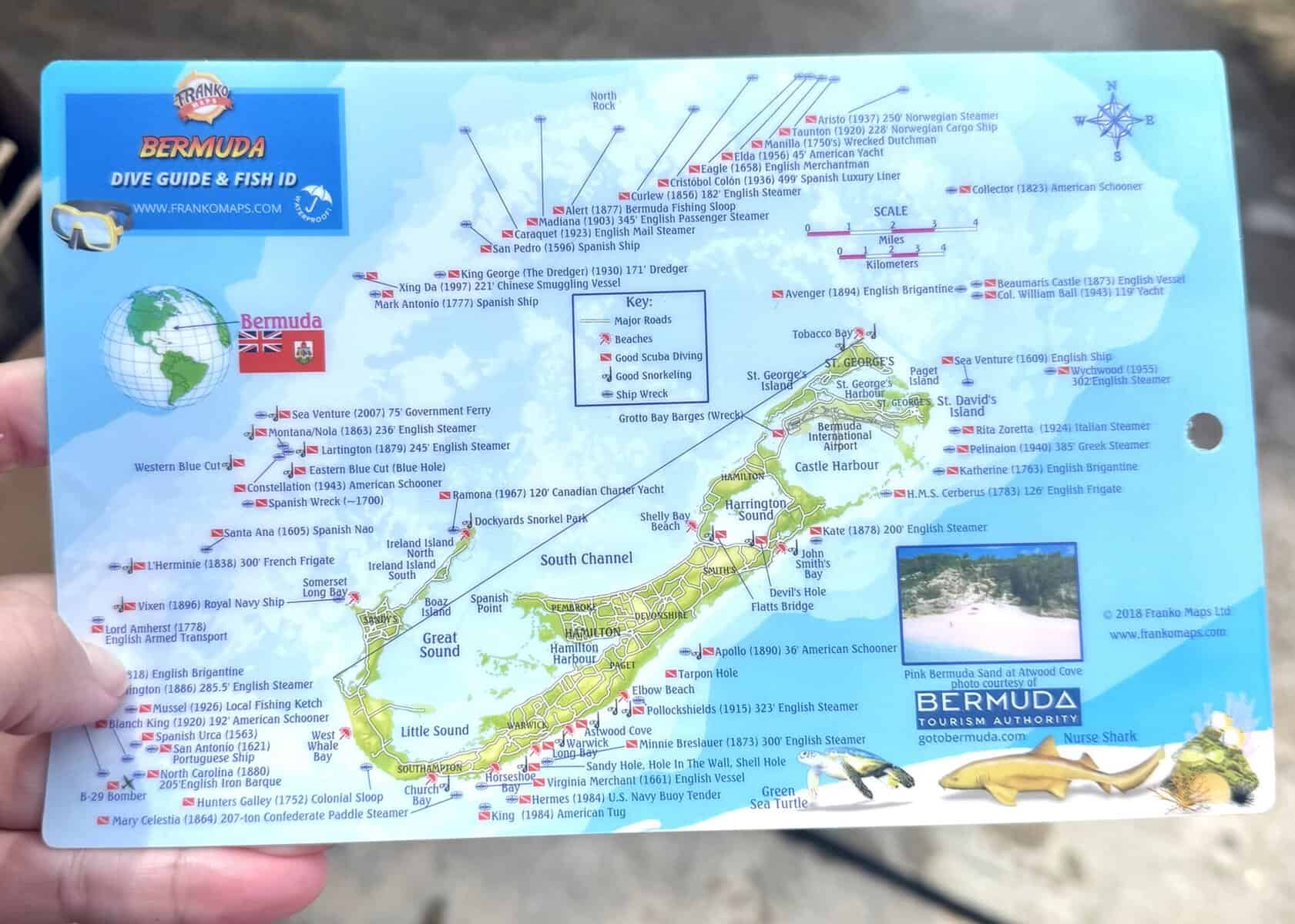
Centuries of maritime history lie on the ocean floor in a ring of wrecks around Bermuda, just waiting for you to dive in.
Bermuda has so many shipwrecks resting in its ocean reefs that archeologists, environmental scientists and tourists alike flock to the archipelago for a closer look.
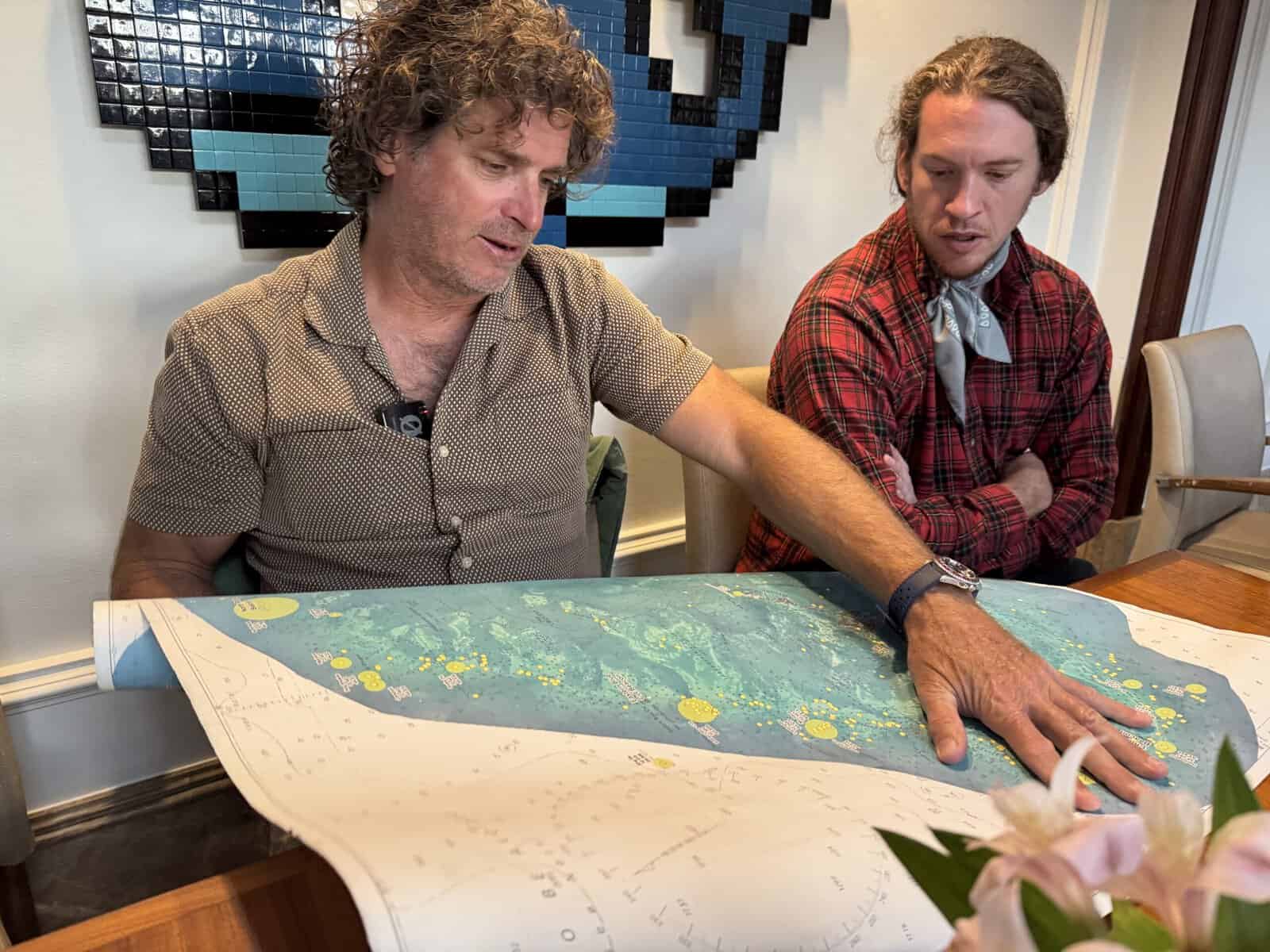
It’s an exciting prospect to take a giant stride into the ocean and swim with tropical fish past sunken historical vessels. There are hundreds documented, and Bermuda’s official Custodian of Historic Wrecks, Philippe Rouja, says there are “still some significant wrecks to be found.”
I recently got open water diver certified in Austin in preparation for my first shipwreck scuba trip to Bermuda. Now that I’ve experienced one, I might need to go back another 299 times.
Bermuda: It’s not in the Caribbean
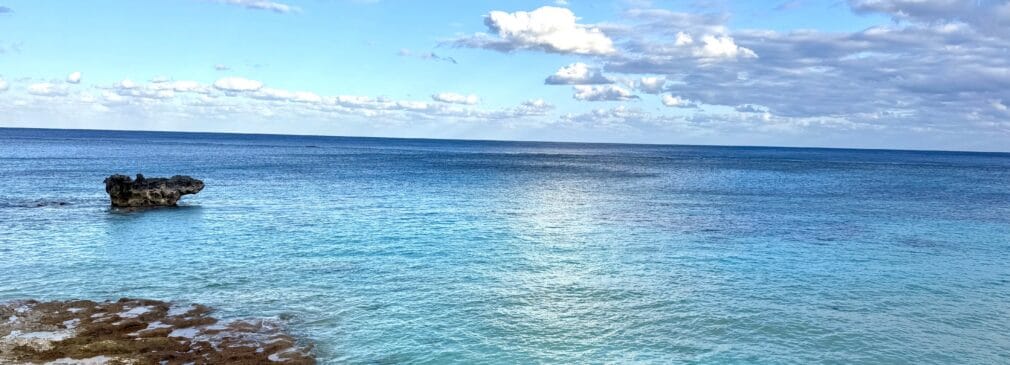
First things first. Bermuda has stunning pink sand beaches and jaw-droppingly turquoise water, but it’s not in the Caribbean. It’s a small British island territory in the North Atlantic Ocean, about 650 miles east of North Carolina.
Bermuda’s location is important because, for centuries, it was on western Atlantic trade routes with ships passing between Africa, Europe and the U.S. colonies. In fact, the first residents of Bermuda arrived thanks to a shipwreck, when an English supply ship bound for the struggling Jamestown colony in Virginia was driven onto the reef by a hurricane.
Treasure awaits: Both ships and sea creatures
Bermuda is ringed by a shallow coral reef system. This ease of access to deep ocean waters, says Craig Carlson, Director of Bermuda Institute of Ocean Sciences, has made Bermuda a key site for ocean research and exploration.
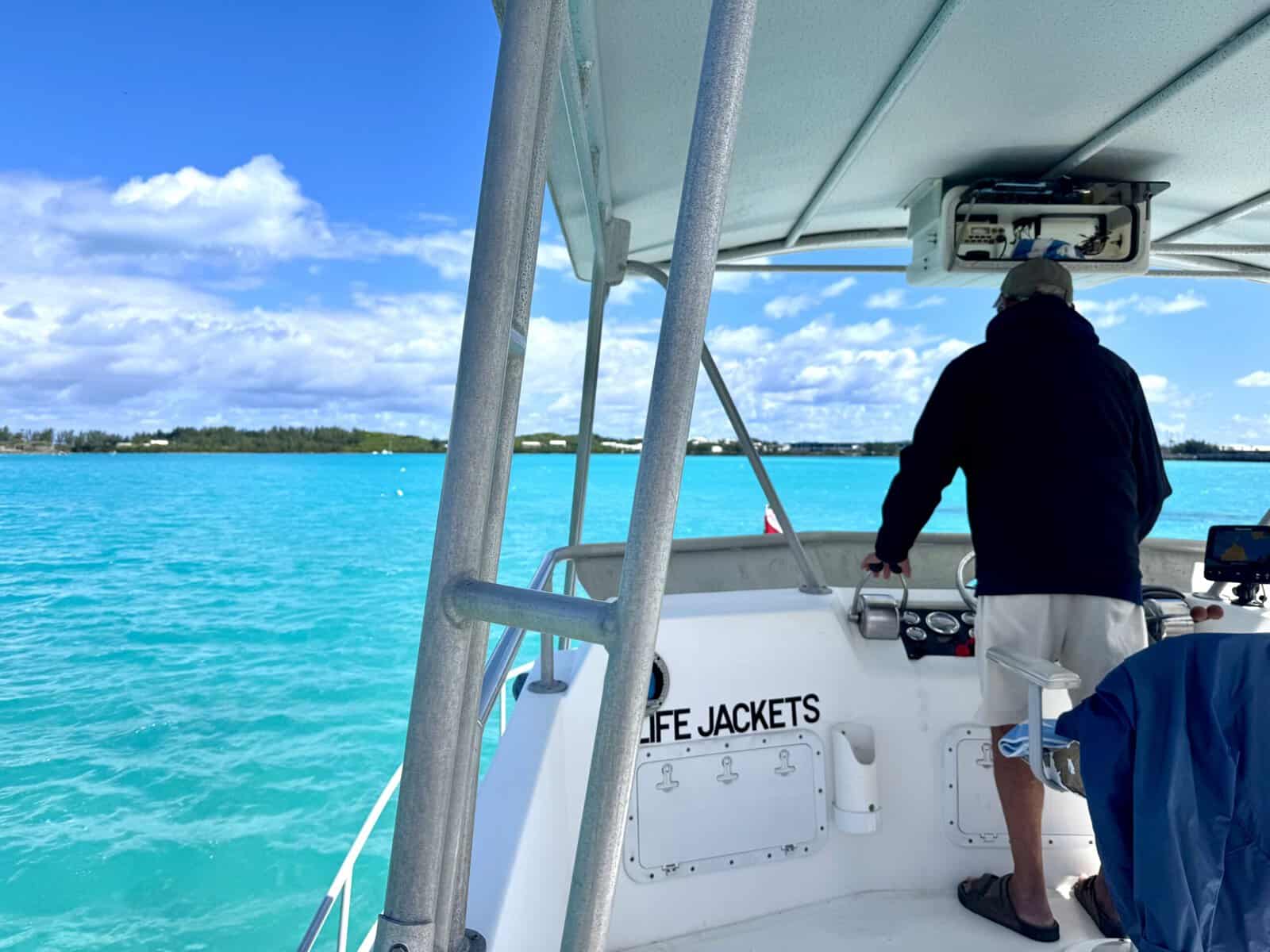
I joined a Dive Bermuda excursion to see a combination of coral, caves, sea creatures and shipwrecks less than an hour offshore.
My first dive site was a natural dome called The Cathedral. Swimming through caves and caverns, I saw soft and hard coral, parrotfish, angelfish and hundreds of glittering glassy sweepers that looked like tiny lights illuminating the cathedral ceiling.
On my second dive, we explored the sunken wreckage of the Greek steamer, Pelinaion. This ill-fated ship departed West Africa in 1940 bound for Baltimore, Maryland. It crashed into Bermuda’s reefs at night because Bermuda had extinguished its lighthouse during WWII.
Toes in pink sand, Rum Swizzle in hand
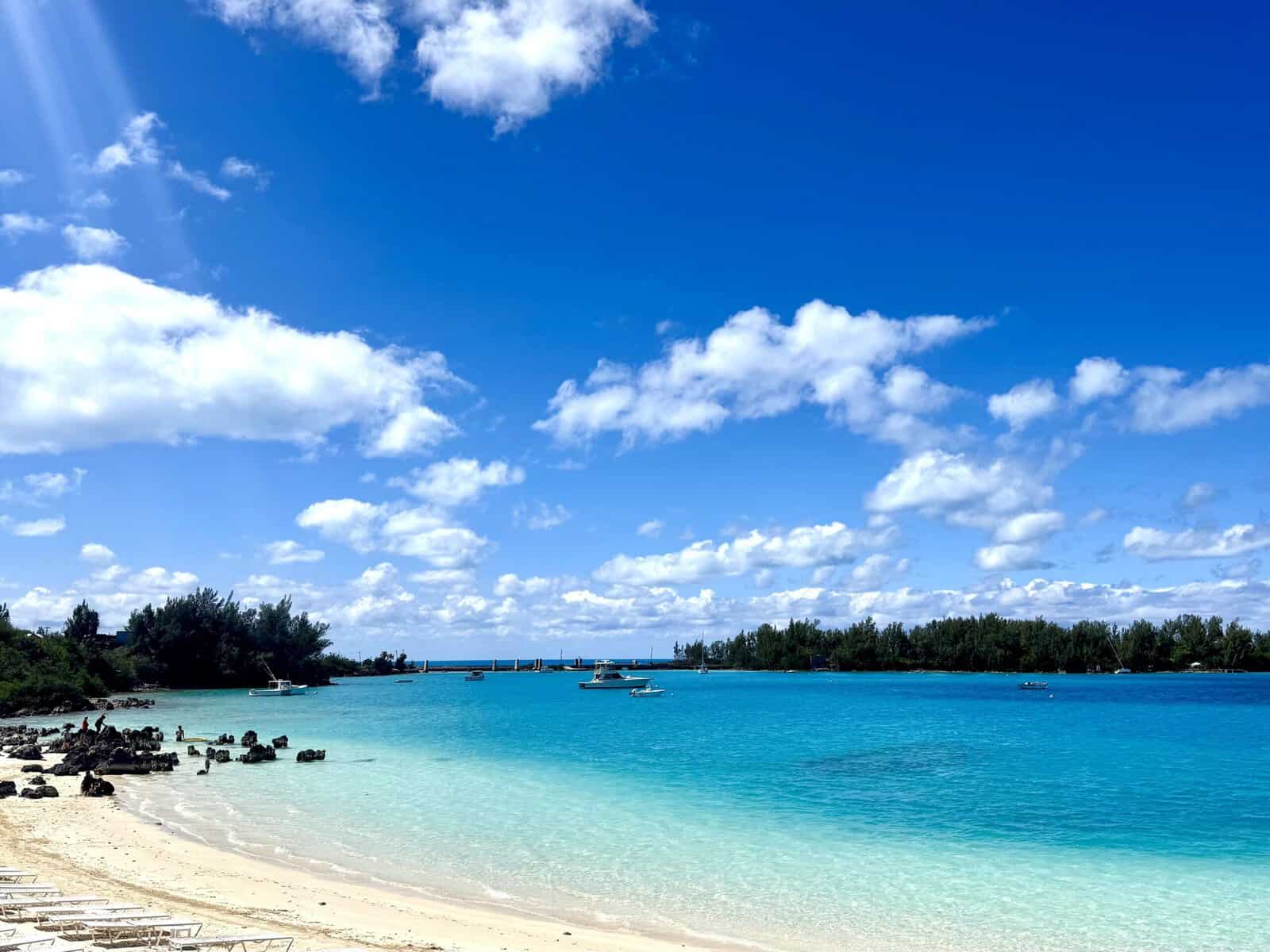
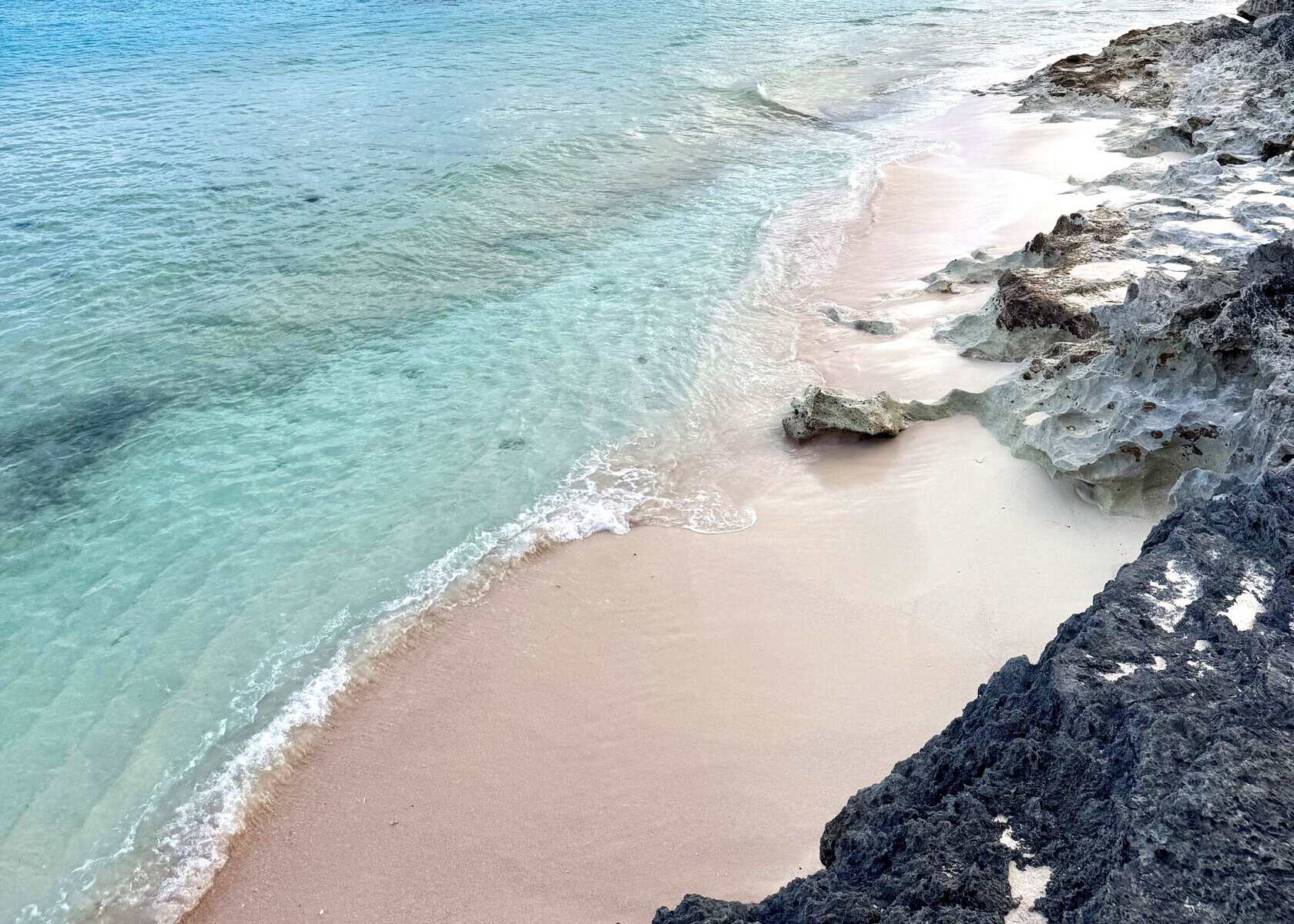
When not underwater, I recommend taking time to enjoy Bermuda’s pink beaches. Say hello to the rainbow parrotfish that swim by the shore. They are to thank for its pretty hue.
“It’s pink,” says Hannah Horsfield, a subject matter expert at the Bermuda Underwater Exploration Institute (BUEI), “because of a little coral that pulls off the rock and is chewed by parrotfish and other animals and into beach sand.”
The Pink Beach Club is the perfect spot to enjoy this phenomenon, sitting by the beach with a Rum Swizzle at sunset. If you’re hungry for dinner, the restaurant’s Catch of the Day and chocolate cake will hit the spot.
Sleep by the sea, swim under stalactites
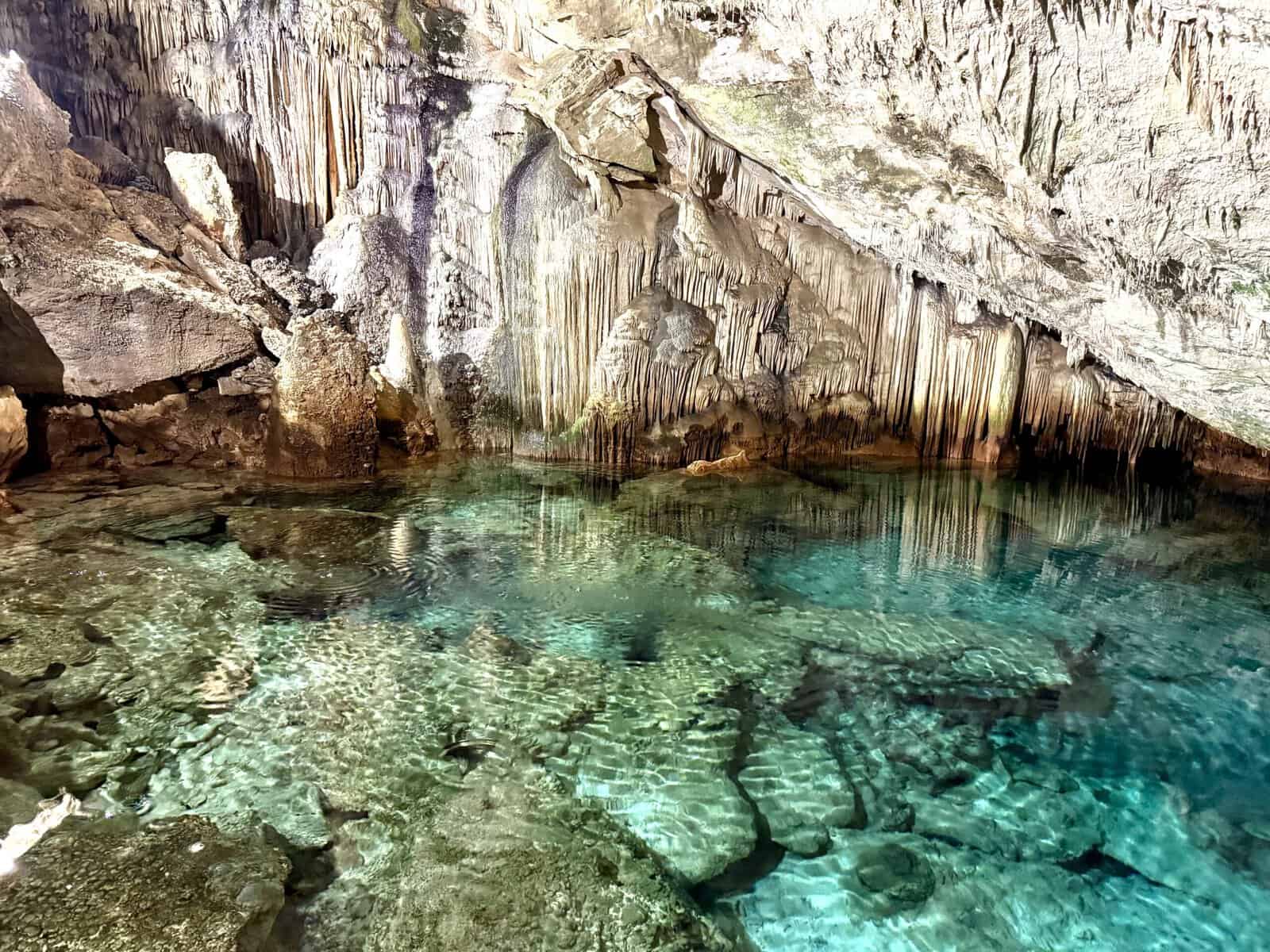
Grotto Bay Beach Resort & Spa sits atop some of Bermuda’s most ancient limestone formations, the caves beneath it carved over millions of years of rising and falling seas.
Located just minutes from the airport, Grotto Bay’s private Cathedral Cave is perfect for a refreshing post-flight dip, with clear water as deep as 30 feet.
Dive Bermuda also operates directly from the resort. Here you can learn to scuba or join a dive from April to November. Peak diving months are May to October, when the water is warm and precipitation is low. If you go in April, the weather can still be dicey. I was supposed to dive for two days on my trip, but the first day was canceled due to high winds.
Take a walk through history
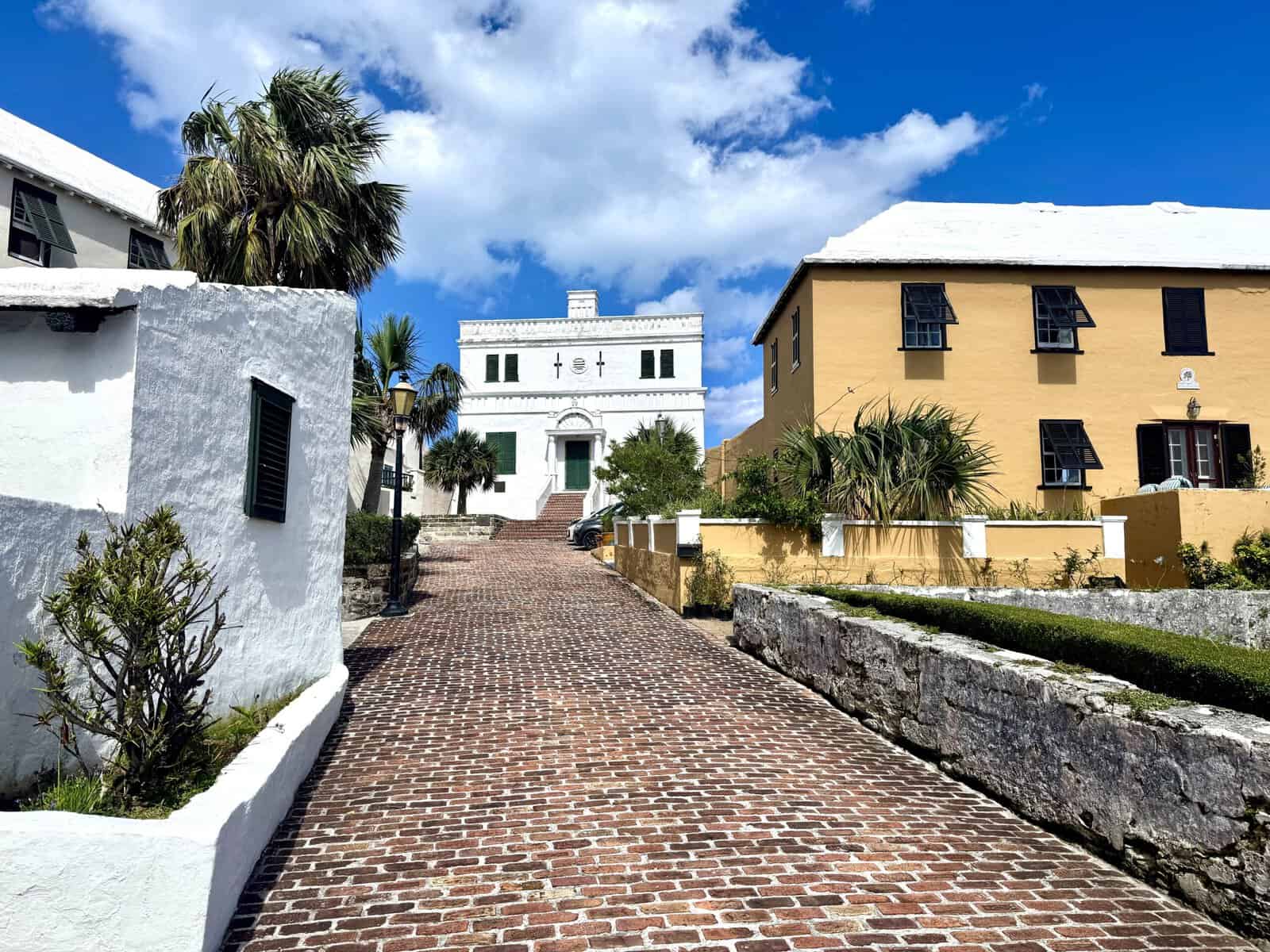
Thanks to my canceled dive day, I had extra time to explore on land. After a delicious seafood lunch at local favorite, Wahoo’s, I set out on a 90-minute walking tour of St. George’s with Kristin White of Long Story Short.
White led our group on an entertaining journey through the picture-perfect town, a UNESCO World Heritage Site, spicing up historical tidbits with local lore and tea about the royals. I learned about Cup Match (the annual island-wide celebration and cricket match), met the island’s perfumer and heard inspiring tales of key figures in Black history.
Prep for your underwater adventure
To fully experience the underwater magic of Bermuda’s cultural heritage, I highly recommend taking a PADI Open Water Diver course. You learn onsite at Dive Bermuda, but I got certified at Dive World Austin before my trip. The staff there is amazing and I had a wonderful experience.
What does PADI training look like? It starts with about 10 hours of e-learning, followed by an online test and an in-person quiz. There’s a lot to learn. Then, after a swimming test, you embark on two days of pool training and two days of open water training. In Central Texas, this is done in lakes.
In all, certification was more intense than I had expected. But my instructor, Kyle Cline, was phenomenal, and after two full weekends of training with him and two dive masters, I felt ready for my first ocean dive. This allowed me to relax and enjoy my time in Bermuda.
Getting to Bermuda
There are no nonstop flights from Texas to Bermuda, so you’ll likely change planes on the East Coast. Plan on your flight time being around six hours, unless you change planes in New York, which can result in a longer layover.
Be sure to build in buffer days in case the weather doesn’t cooperate. If you get a rainy day, head indoors to BUEI to learn more about the ocean you’ll be exploring. Don’t miss The Jack Lightbourn Shell Collection there, with 2,500 seashells from around the world.
To plan your trip, visit Go To Bermuda.
____________________________________________________________________________________________________________
Cover photo Heidi Gollub
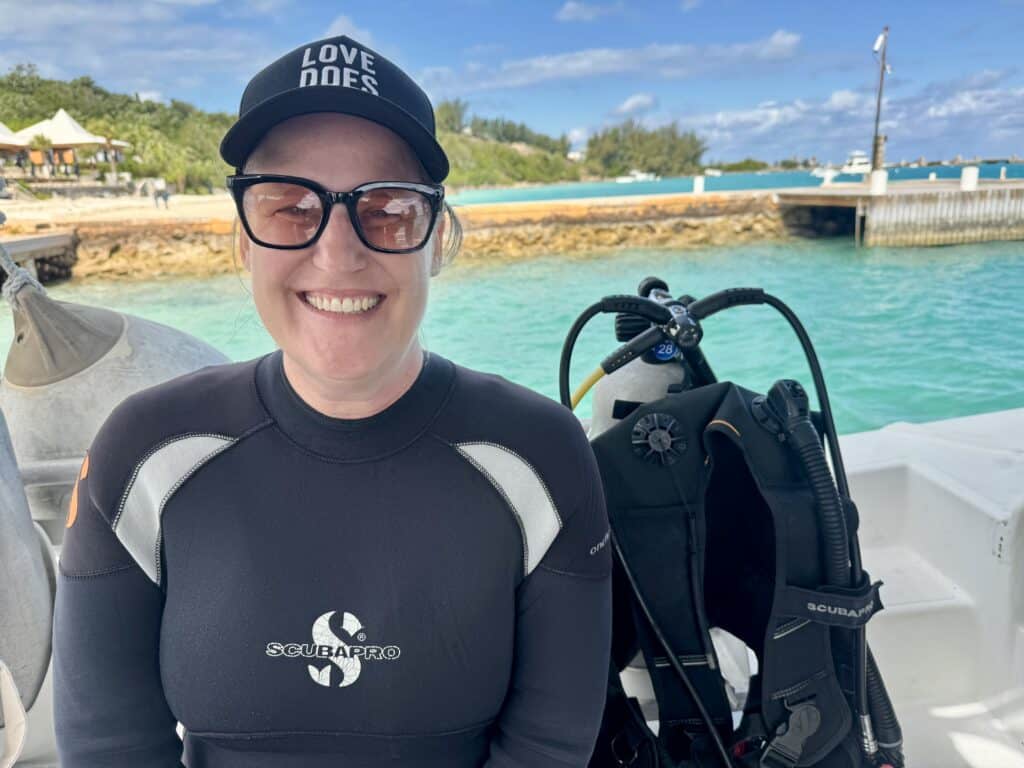
Heidi Gollub is a lifelong globetrotter whose travel expertise has been featured in Forbes, Fodor’s and USA TODAY. She lives in Austin with her family.