


Share
A tourist travels to arrive; a pilgrim walks to be transformed.
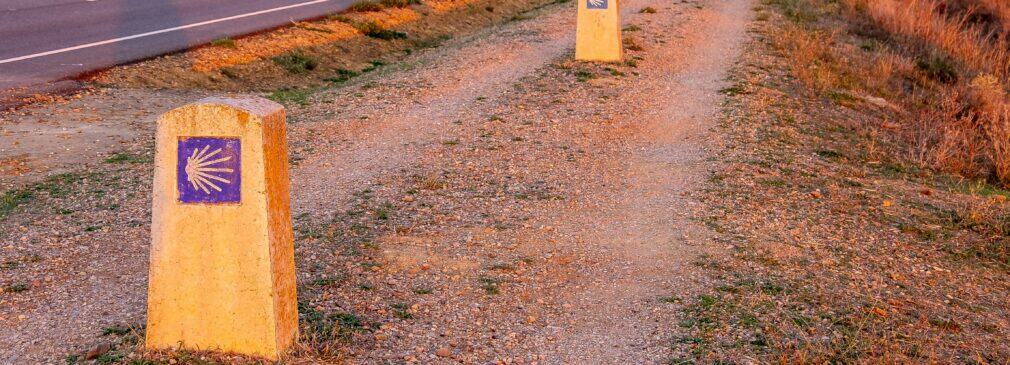
This summer, my buddy Corban and I set out to walk 400 miles across northern Spain on one of the world’s oldest pilgrimages. The Camino began around 813 A.D., when the tomb of Saint James, one of Jesus’s twelve apostles, was discovered. Since then, millions of pilgrims have walked to the city of Santiago de Compostela, whether for faith, adventure, or a little bit of both.
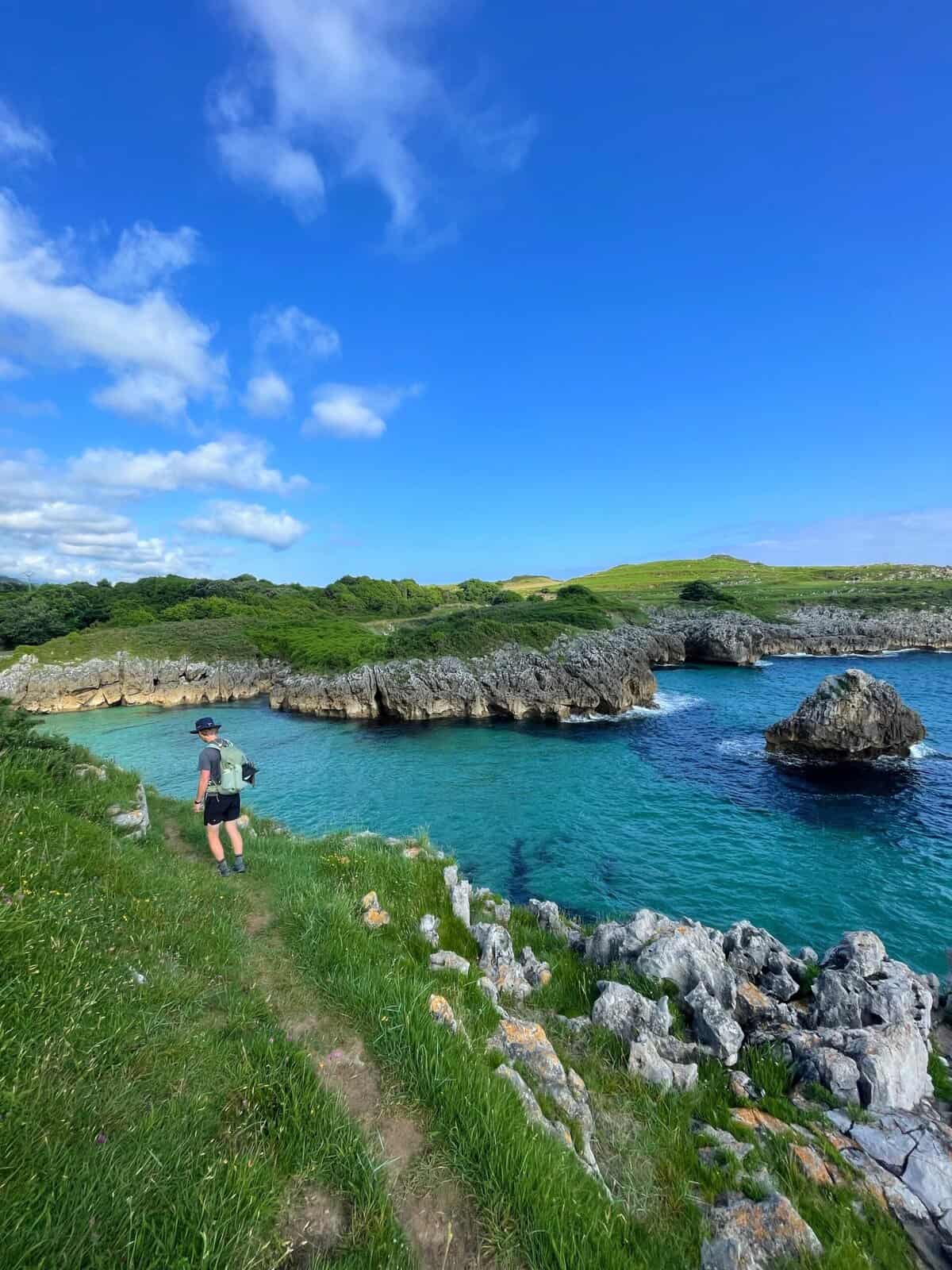
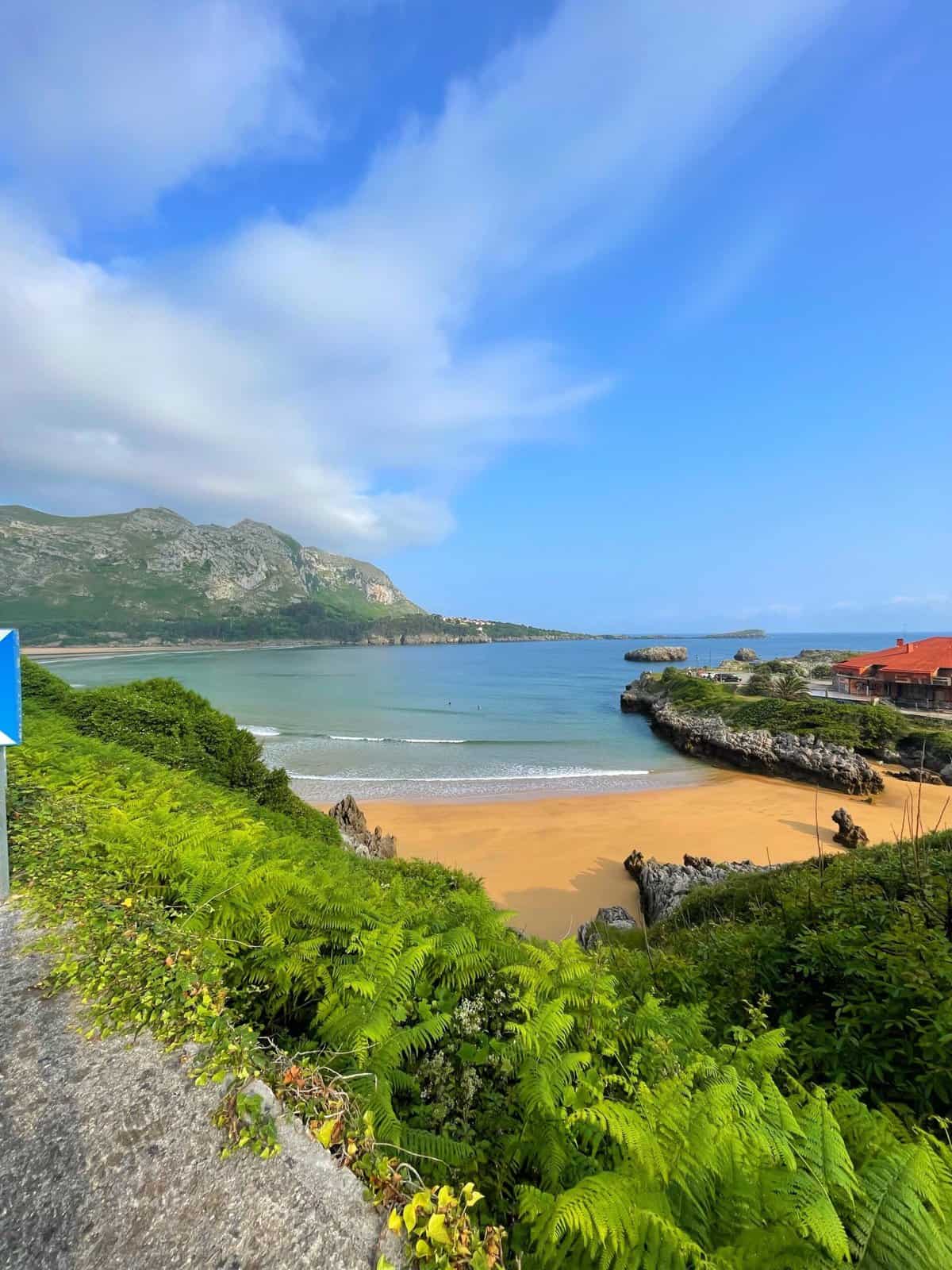
Over 26 days, we averaged 15 miles per day along the Camino del Norte (often called the Camino Norte) and the Camino Primitivo. The Camino Norte stretches all the way to Santiago, though there’s an option to branch off onto the Primitivo in Oviedo, Spain. The Primitivo, “primitive” in English, offers a more secluded route with fewer pilgrims. Walking these two paths provided a perfect balance of coastal scenery and quiet, “primitive” trails.
We met strangers who became friends, battled sore feet, and learned the joy of slowing life down to the pace of a walk. If you’re dreaming about the Camino, or just curious, here’s my guide to the lessons and hacks that will make all the difference.
Choosing Your Route
Before you book your flights, it’s important to pick the route that’s best for you. The most popular options are the Camino Francés, Camino Norte, Camino Primitivo, and Camino Portugués. I walked in June and early July. June was peaceful, but by July, the summer crowds were noticeably bigger, especially since July and August are the busiest months.
Corban and I booked our flights and left most of our lodging up to adventure, with only one night where space was tight. I recommend reserving your first night and your Santiago nights in advance, especially in summer, then keeping the rest flexible.
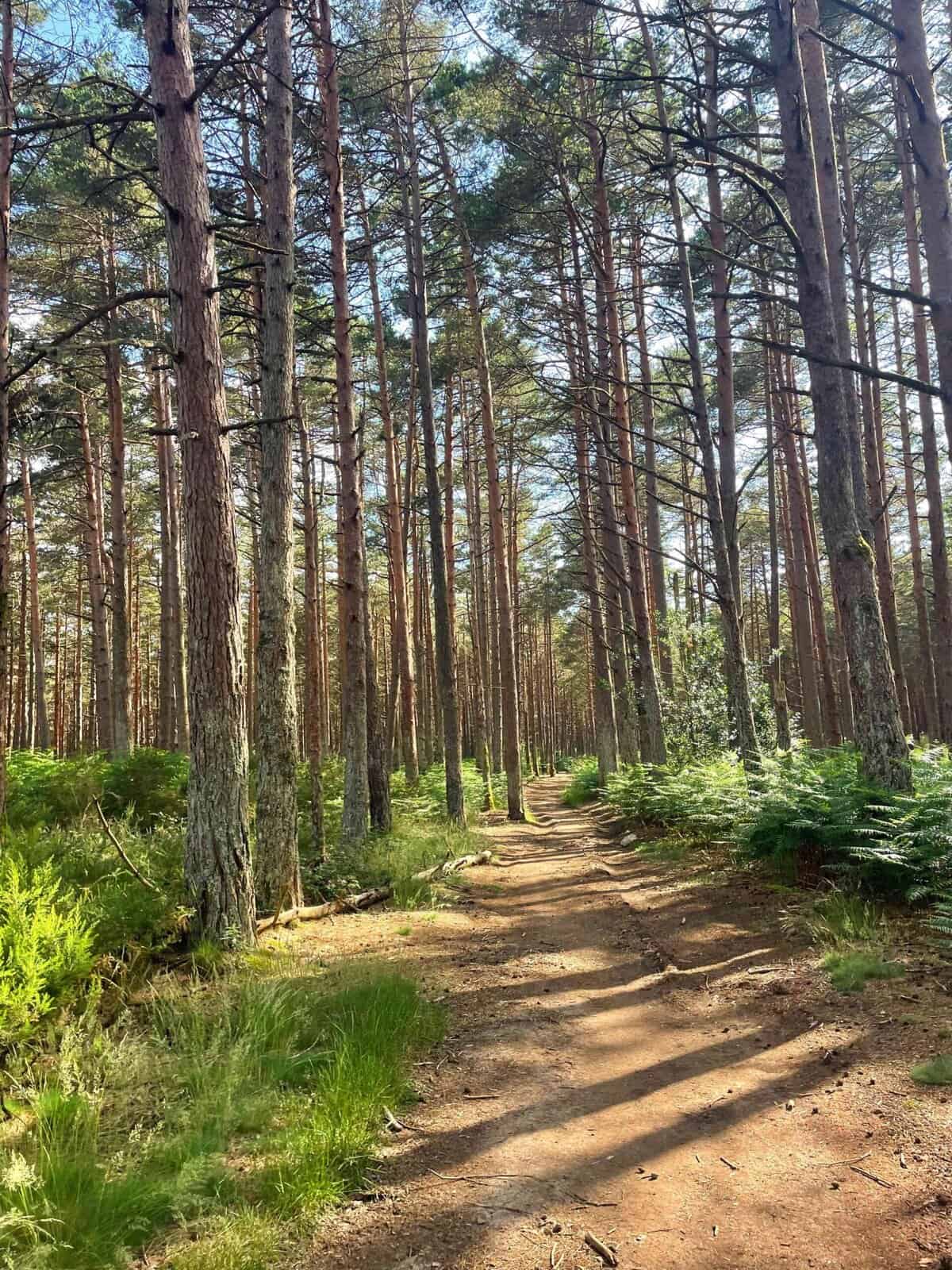
Walking Alone or With Others
Many people walk the Camino alone, enjoying the freedom to walk and stop whenever they want. While the Camino is deeply life-giving, no matter how you do it, I’d recommend walking with a friend if you can. It’s an incredibly bonding experience and helps you process your thoughts out loud.
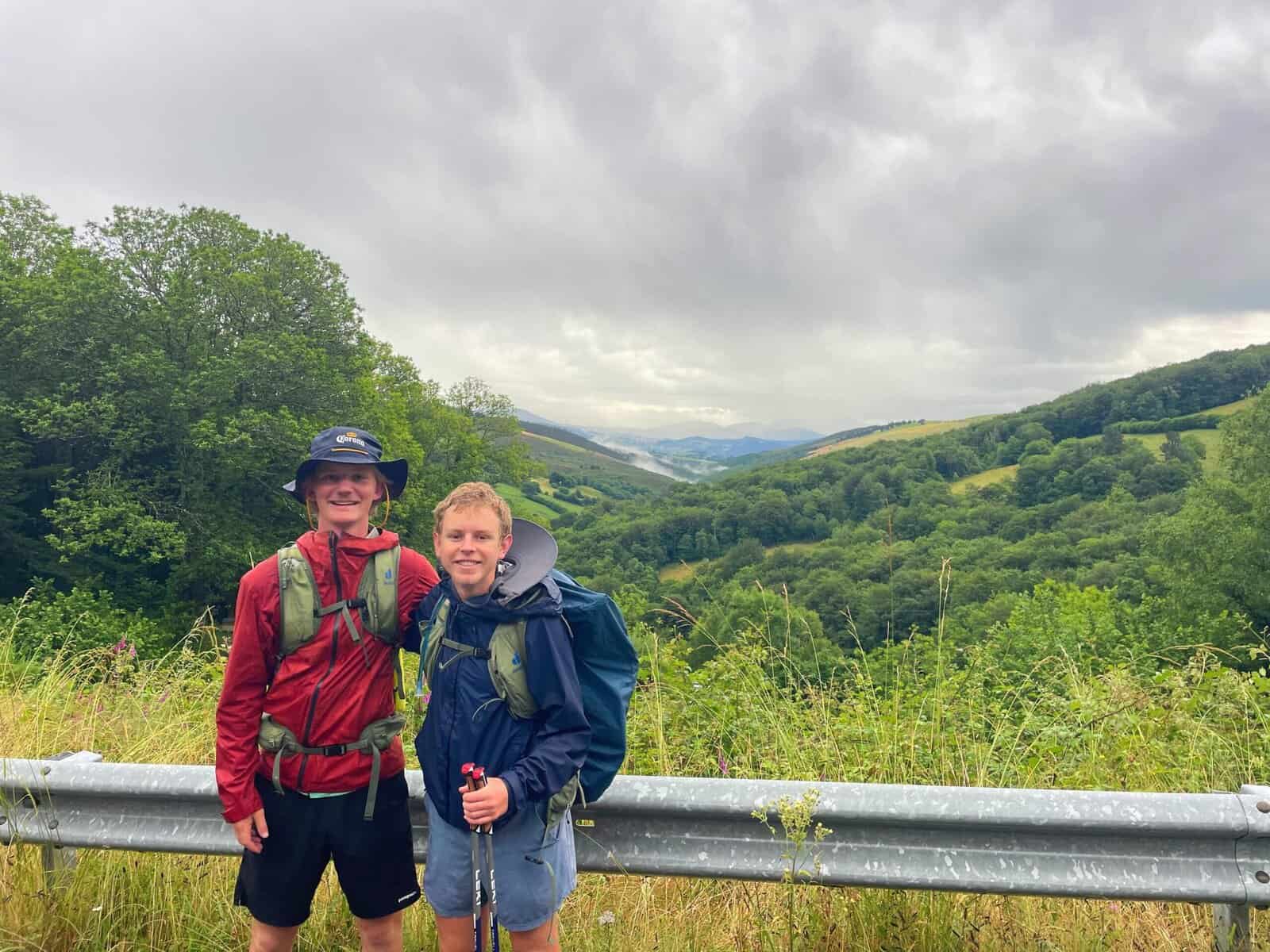
That said, if you do walk solo, you’ll still find plenty of opportunities to connect and build your own Camino community. From our experience, the culture is super relaxed, and there is no pressure to stick with the same people all day.
A Day in the Life of a Pilgrim
Our days started around 6:30 a.m. We’d pack up, grab breakfast, then hit the trail. It’s helpful to never feel like you’re in a rush. We stopped for lunch with food from the grocery store the day before, usually consisting of bread, salami, and fruit. We’d walk until about 3 p.m., then rest, shop for the next day’s food, and share a Camino dinner. Every night we stayed in albergues, which are shared pilgrim hostels that offer a bed, showers, and sometimes dinner and breakfast for an extra fee.
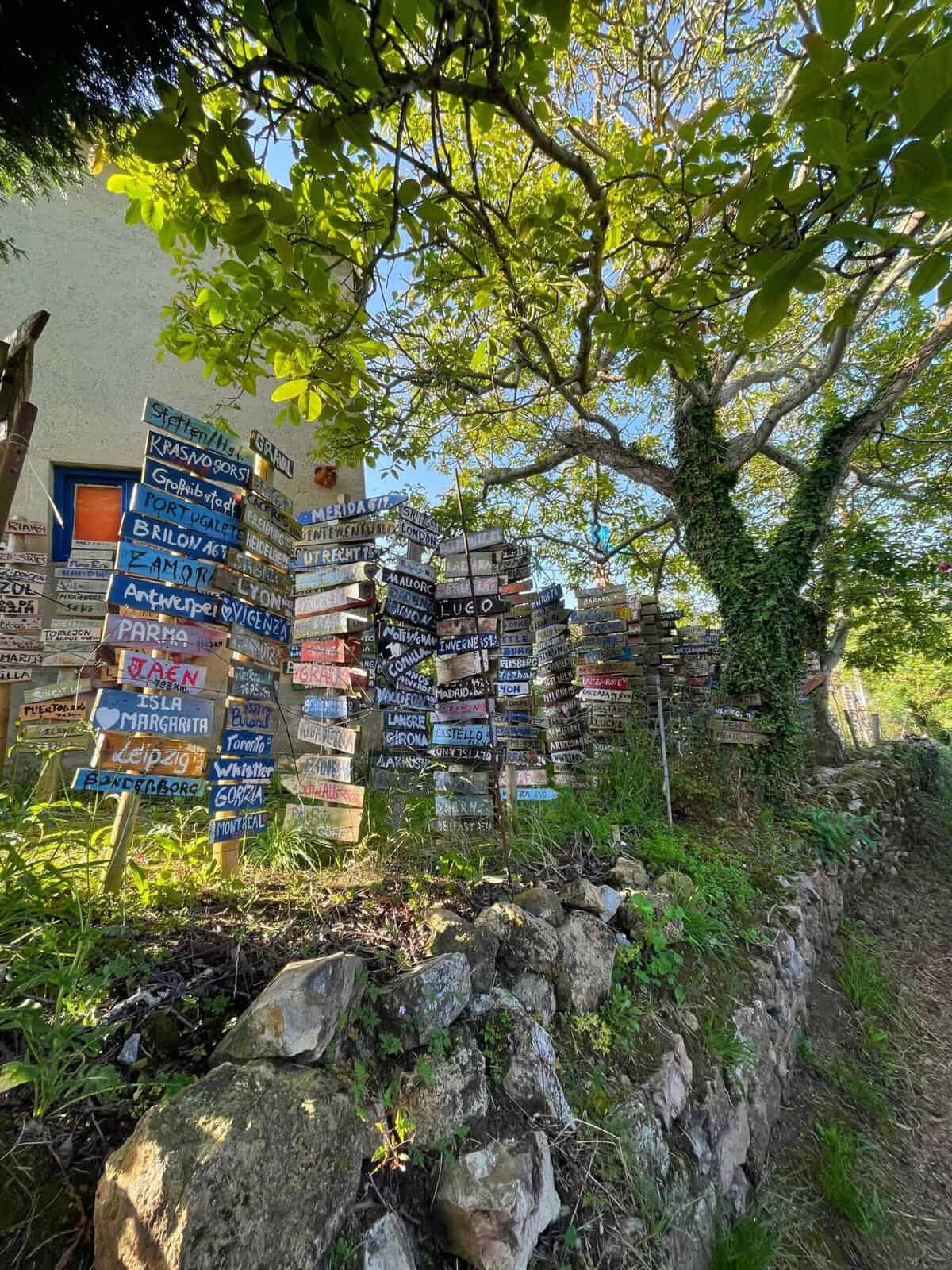
The App That Saved Our Camino
The Buen Camino de Santiago app became our lifeline. It showed which towns were ahead, the amenities in each (markets, hostels, kitchens), and how far they were from our current spot. Download your specific route before starting, and you’ll even get offline navigation for those moments when the famous yellow arrows sometimes lead you astray. The app has a blue background and a yellow arrow.
Pro tip: Each Camino route has preplanned stages you can look up. They’re great for creating a rough outline, still leaving room for adventure while sparing you unnecessary stress on the trail.
Happy Feet, Happy Camino
Your feet are your MVPs. Break in your shoes before the trip. I met a guy who didn’t, and he had seven blisters by day two. A couple of foot-saving tips: take off your shoes and socks during breaks to let your feet breathe, and apply Vaseline each morning to reduce friction and help prevent blisters.
Finding Catholic Mass on the Camino
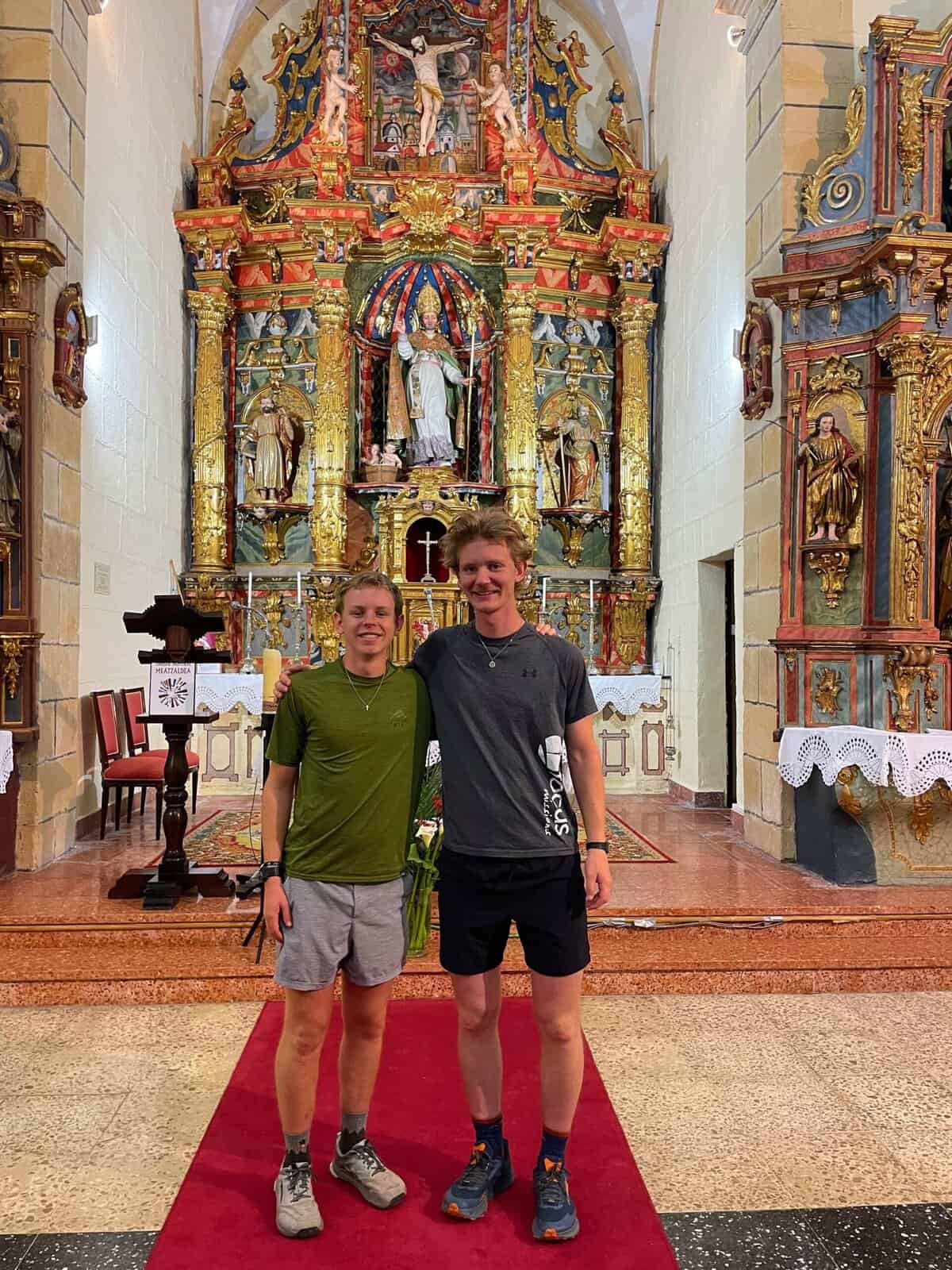
Corban and I are both Catholic, so Sunday Mass was a must. At first, finding mass times was tricky because many weren’t available online. Then a fellow pilgrim introduced us to misas.org, which is a website that lists Mass times by location and distance from you. Even if you’re not Catholic, many pilgrims attend Mass for the reflection, tradition, and beauty of following in St. James’ footsteps.
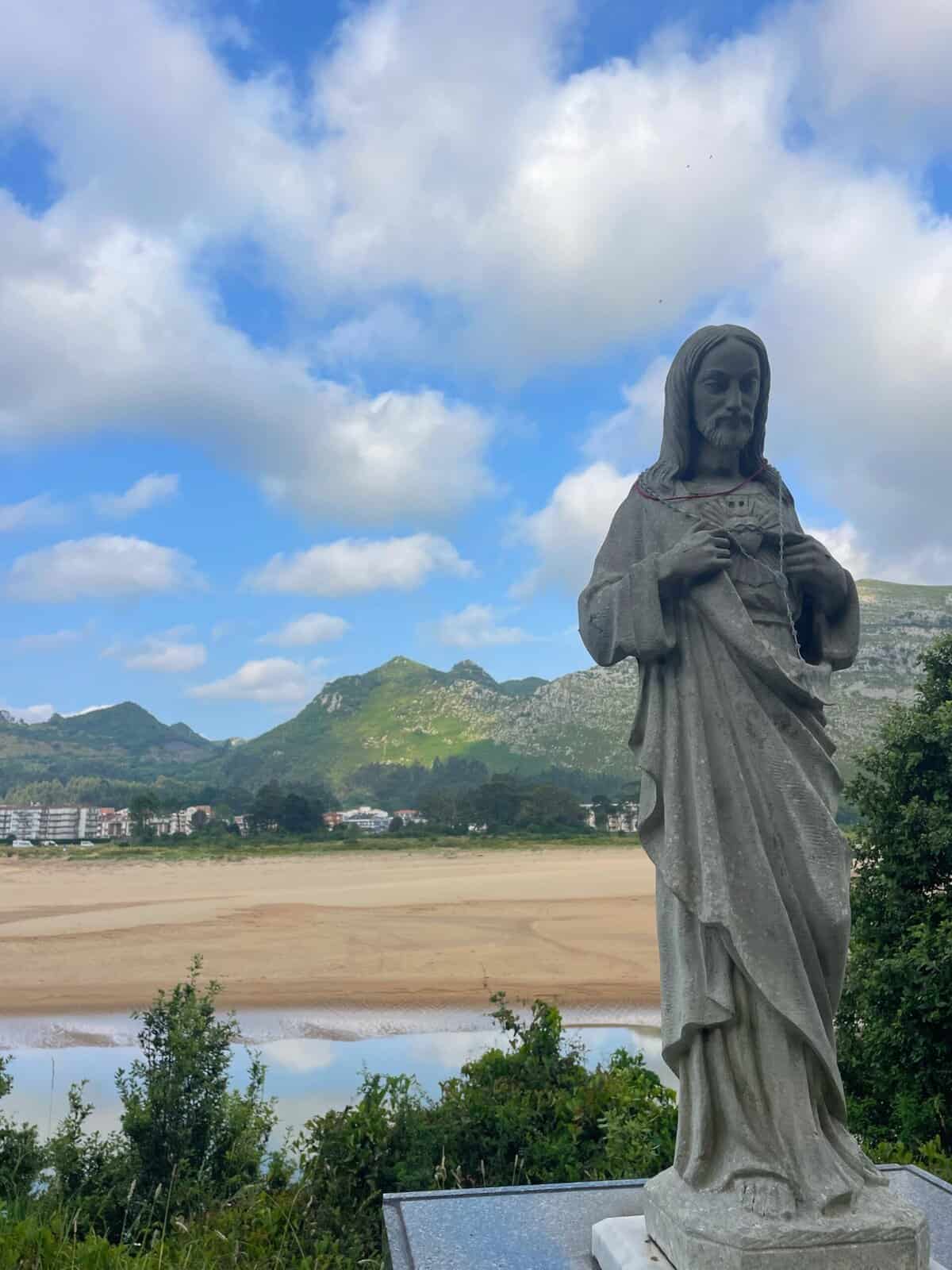
Spanish Culture: Siestas, Meal Times, and Phrases
Spanish daily rhythm is a little different from that in the U.S.: Breakfast is usually coffee and a pastry, lunch is mid-afternoon, and dinner often starts around 8 p.m.
Shops close for siesta from about 2–4 p.m., so plan your grocery runs accordingly. Sunday Mass is held around noon because every Saturday night is a party! Note that most businesses will also be closed on Sundays.
Learn a few basic Spanish phrases, especially for asking about meal times and prices. I was very surprised by how much of a language barrier there was, even with the Alburges that received a lot of English-speaking guests.
What to Pack (and What to Leave Behind)
Here’s my tried-and-true Camino packing list:
- Clothing: 2 quick-dry shirts, 2 pairs of shorts (built-in underwear shorts for guys), 1 long-sleeve sun shirt, 1 rain jacket, 3 pairs of merino wool socks.
- Gear: A 30L pack (the perfect size to fit everything you need plus snacks), a 2L CamelBak plus a 1L collapsible bottle, 1 rain cover, 1 sleeping bag liner, 1 pair of trekking poles, packing cubes and 1 dry bag, which is great for keeping your wallet and passport safe on rainy days or in communal showers. 1 toiletry bag, 1 carabiner, 1 first aid kit, 1 pair of sunglasses, 1 full-cover hat, and a journal with a pen (highly recommended for reflection), a camera, charger(s), and a European adapter.
- Shoes: Comfortable, broken-in hiking shoes (I used Altra Lone Peak 9s) + Crocs for resting/showers (bonus: you can strap them to your pack and carry fruit in them).
Items I brought but didn’t use: rain pants (too hot in summer), headlamp (long daylight hours), or pillowcase (provided in albergues).
The Power of “Buen Camino”
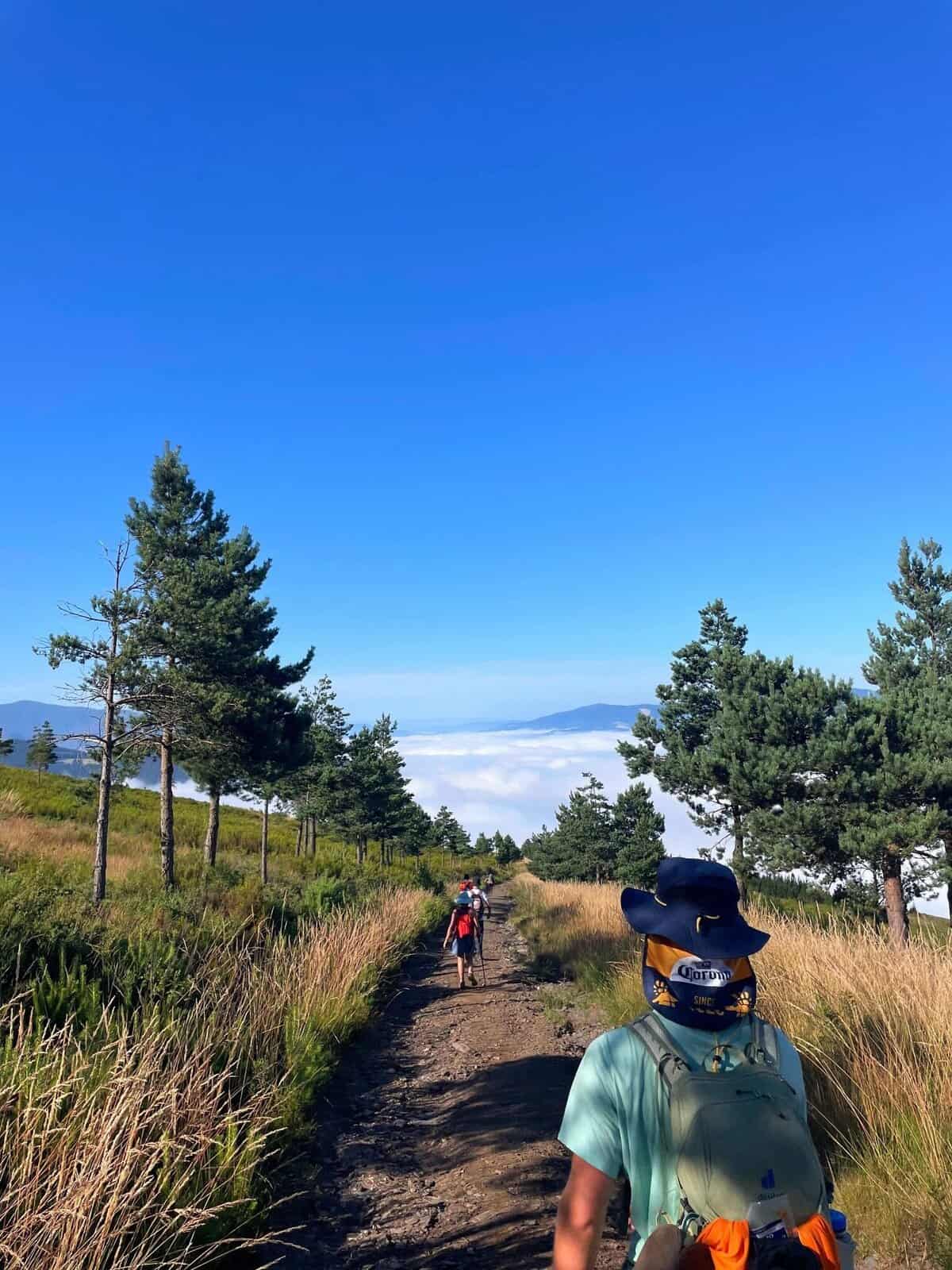
You’ll hear and say Buen Camino dozens of times a day. It’s more than “have a good walk”; it’s a phrase that connects strangers into the camino community. Some days will be hard, so it helps to remember why you started. Whether your “why” is faith, adventure, or something in between, it’s important to keep it close.
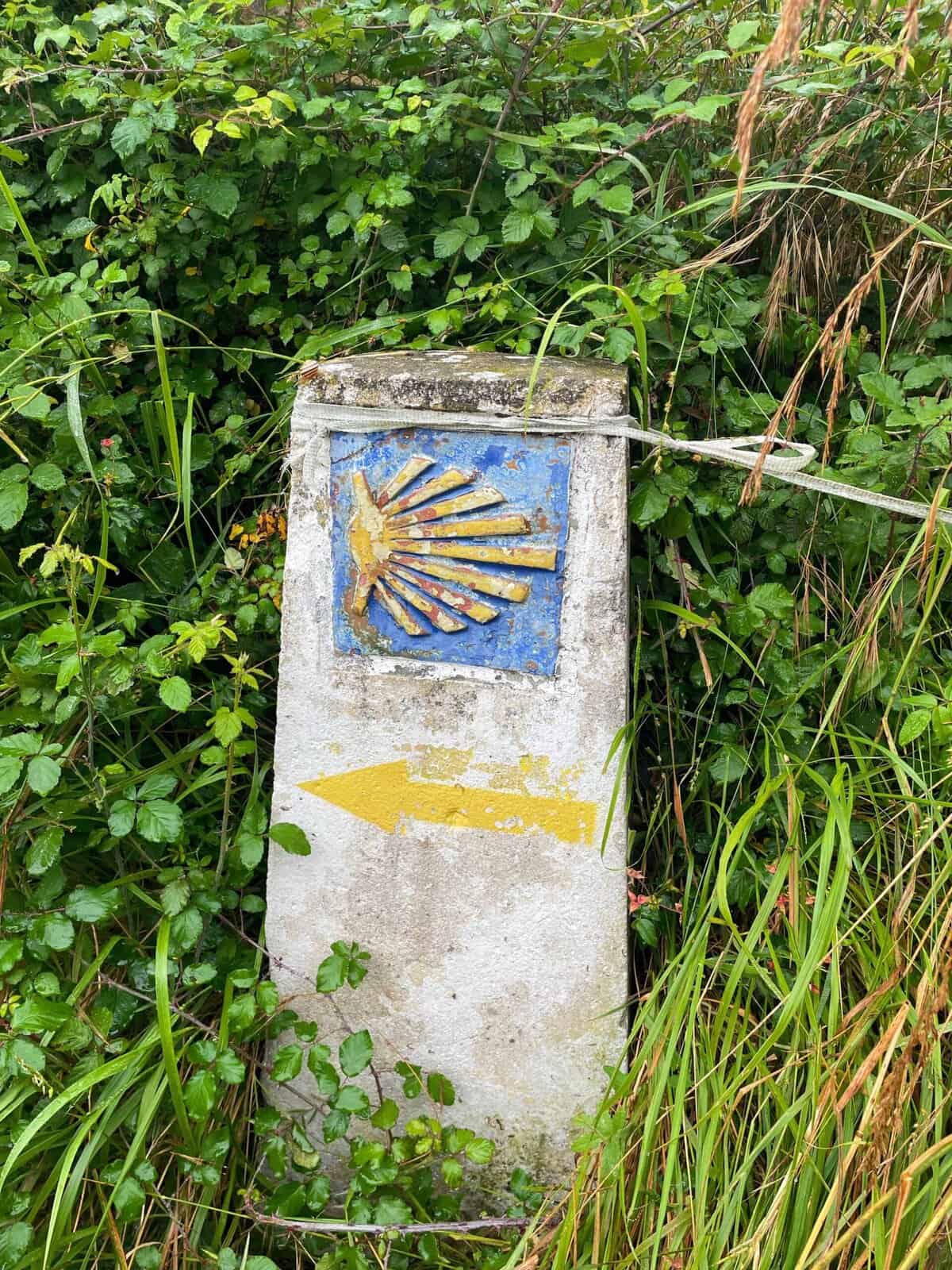
Buen Camino!
The Camino isn’t just a long walk; it’s a living story you get to step into. You’ll meet people from all over the world while soaking in Spain’s beauty and discovering the peace and reflection that comes with the silence of walking.
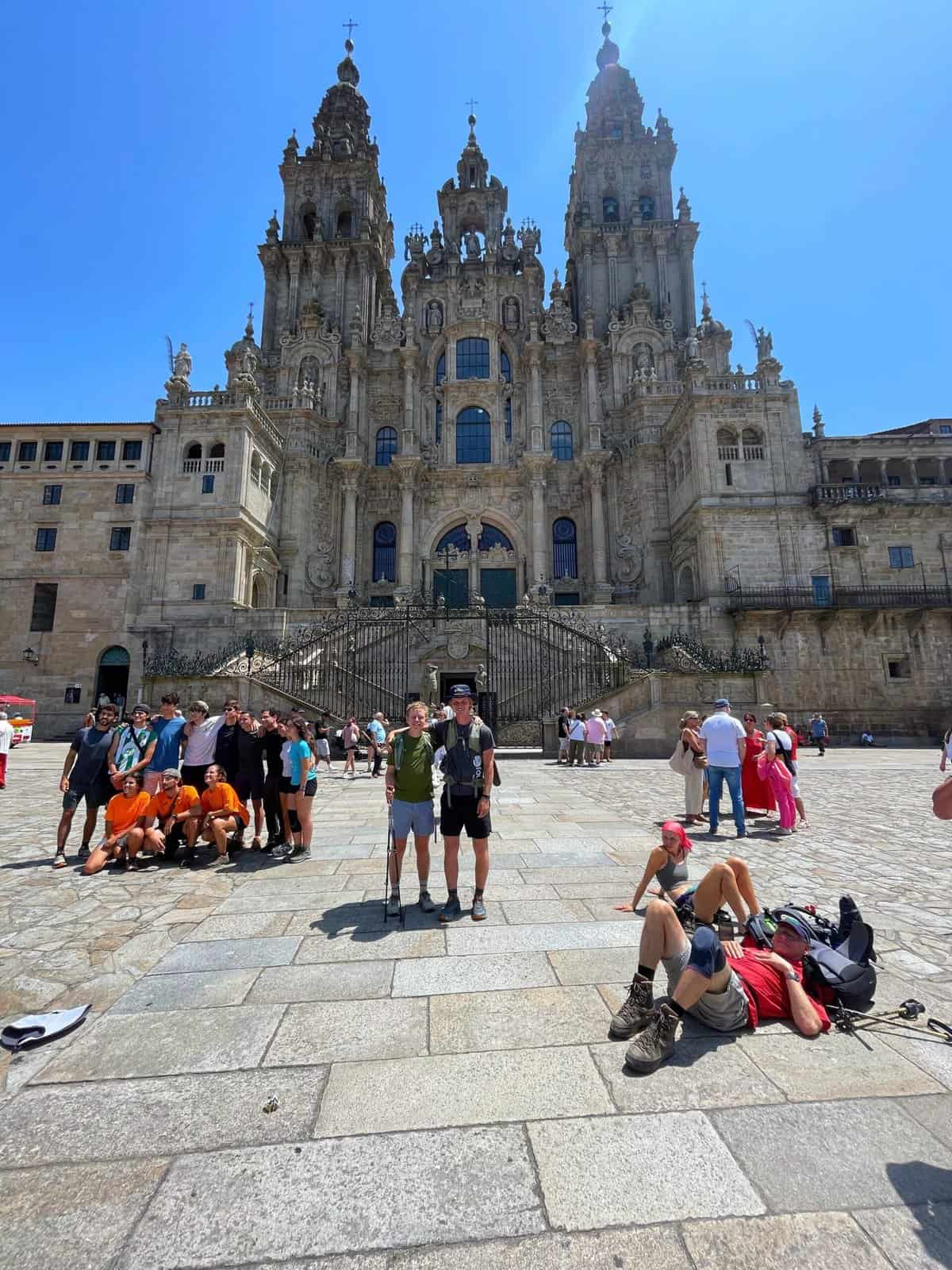
Some days will test you, but every step brings you closer to Santiago, the people you meet, and yourself. If you’re thinking about it, go! Pack light, trust the trail, and walk your face off, Buen Camino!
____________________________________________________________________________________________________
Cover photo by Burkard Meyendriesch on Unsplash
Tucker Flatt is a bold adventurer and natural people-person, always on the lookout for the next trail to blaze, hacky sack to kick, or friend to meet. He proudly represents the Fightin’ Texas Aggie Class of 2026 — Whoop!