


Share
Rural, quiet and vast, Southern Oregon offers outdoor adventures, small town charm and spectacular views
When most people think of Oregon, rainy weather and lush green landscapes often come to mind. While that image fits much of the state’s northwest corner, Southern Oregon offers a surprisingly diverse landscape shaped by dramatic elevation changes. In just a few hours, travelers can journey through river valleys, alpine mountains and high-desert terrain. The region’s dry climate was a welcome change of pace from the Texas humidity.
Home to fascinating geological wonders, the region is full of scenic outdoor adventures and charming small towns that make it an ideal destination for nature lovers, photographers, families and travelers who feel a pull toward a slower pace of living.
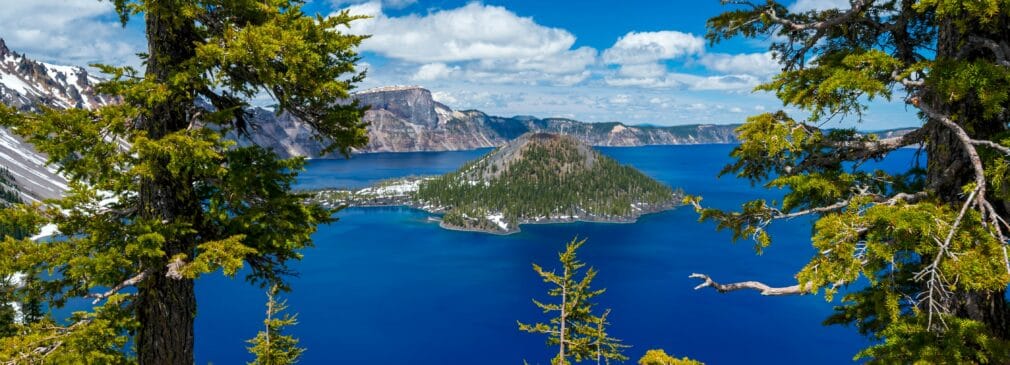
At the heart of the region is Crater Lake National Park, whose brilliant blue waters fill the caldera of an ancient volcano. While the park is reason enough to visit Southern Oregon, it is only the beginning. As July marks National Parks and Recreation Month, there is no better time to experience Oregon’s only national park and discover the remarkable landscapes, outdoor adventures and charming small towns that define Southern Oregon.
Getting There
Southern Oregon is easily accessible via Rogue Valley International–Medford Airport, which offers more than 30 daily flights from select cities. From Dallas-Fort Worth, I connected through Denver before arriving in Medford, where several rental car agencies are available at the airport. Travelers can also fly into Portland International Airport and drive to Southern Oregon in approximately four to five hours.
From Medford, Crater Lake National Park is under two hours away, and Grants Pass is a 30-minute drive.
Crater Lake National Park: Volcanoes Within a Volcano
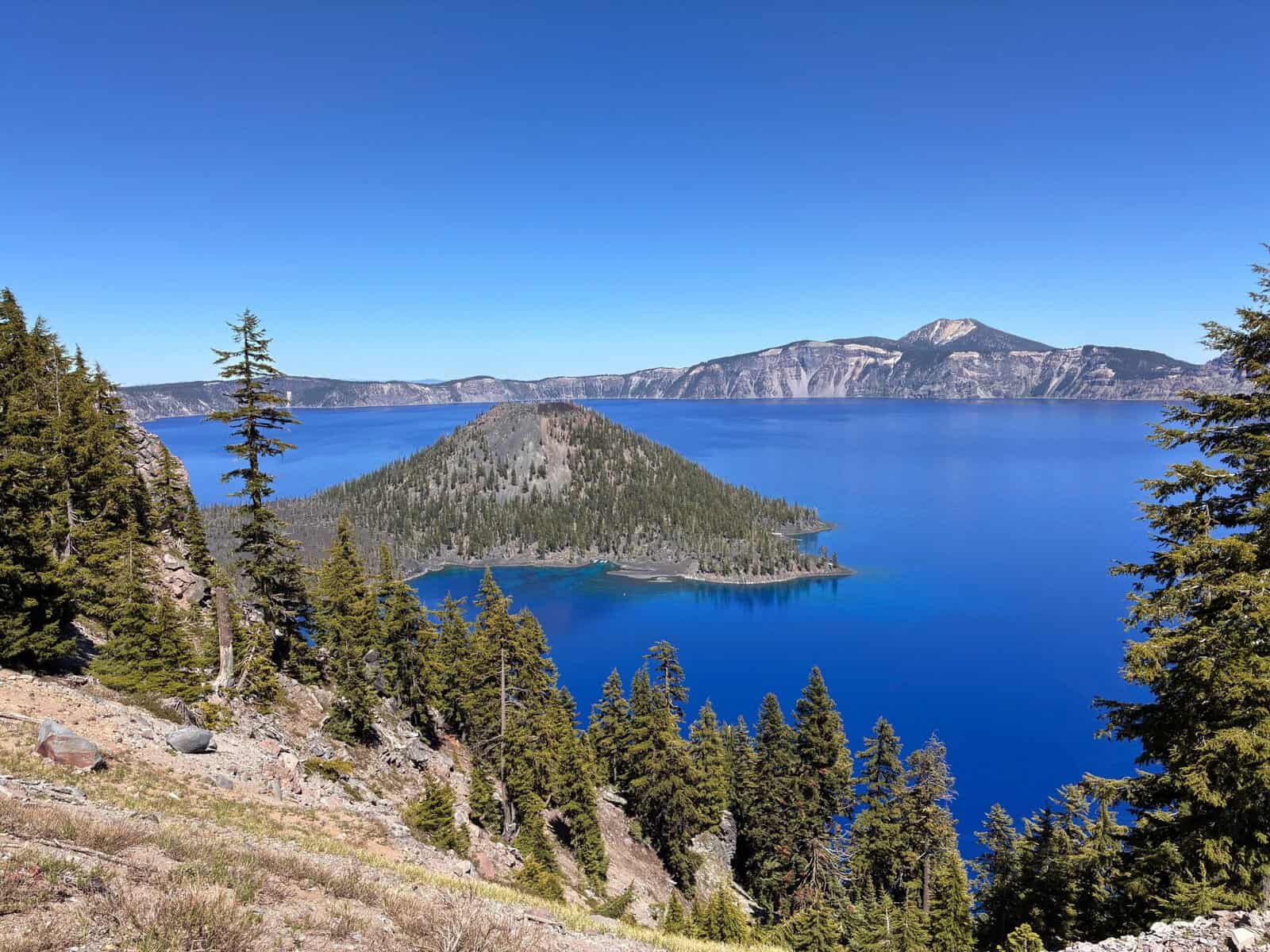
The jewel of Southern Oregon, Crater Lake National Park draws more than a half million visitors each year for its pristine blue waters, scenic rim drives and volcanic landscapes. The park’s remote location makes the journey worthwhile, rewarding visitors with a viewing experience unlike anywhere else on Earth.
Crater Lake was formed after the massive eruption and collapse of Mount Mazama about 7,700 years ago, leaving behind a deep basin that eventually filled with rain and snowmelt. Later eruptions created smaller volcanic features inside the lake, including Wizard Island, a cinder cone that rises from the lake’s brilliant blue waters. At 1,943 feet, Crater Lake is the deepest lake in the United States and one of the deepest in the world.
The historic Rim Drive, a 33-mile scenic drive that loops around the caldera, offers visitors the opportunity to experience the lake from a variety of viewpoints. From several overlooks, I could see volcanoes in nearly every direction, creating a surreal panorama. Crater Lake National Park also offers a variety of hiking trails for all experience levels. During my visit, I walked short stretches of the Rim Trail, which features multiple access points around Rim Village and made it easy to stop at different overlooks while taking in the spectacular scenery.
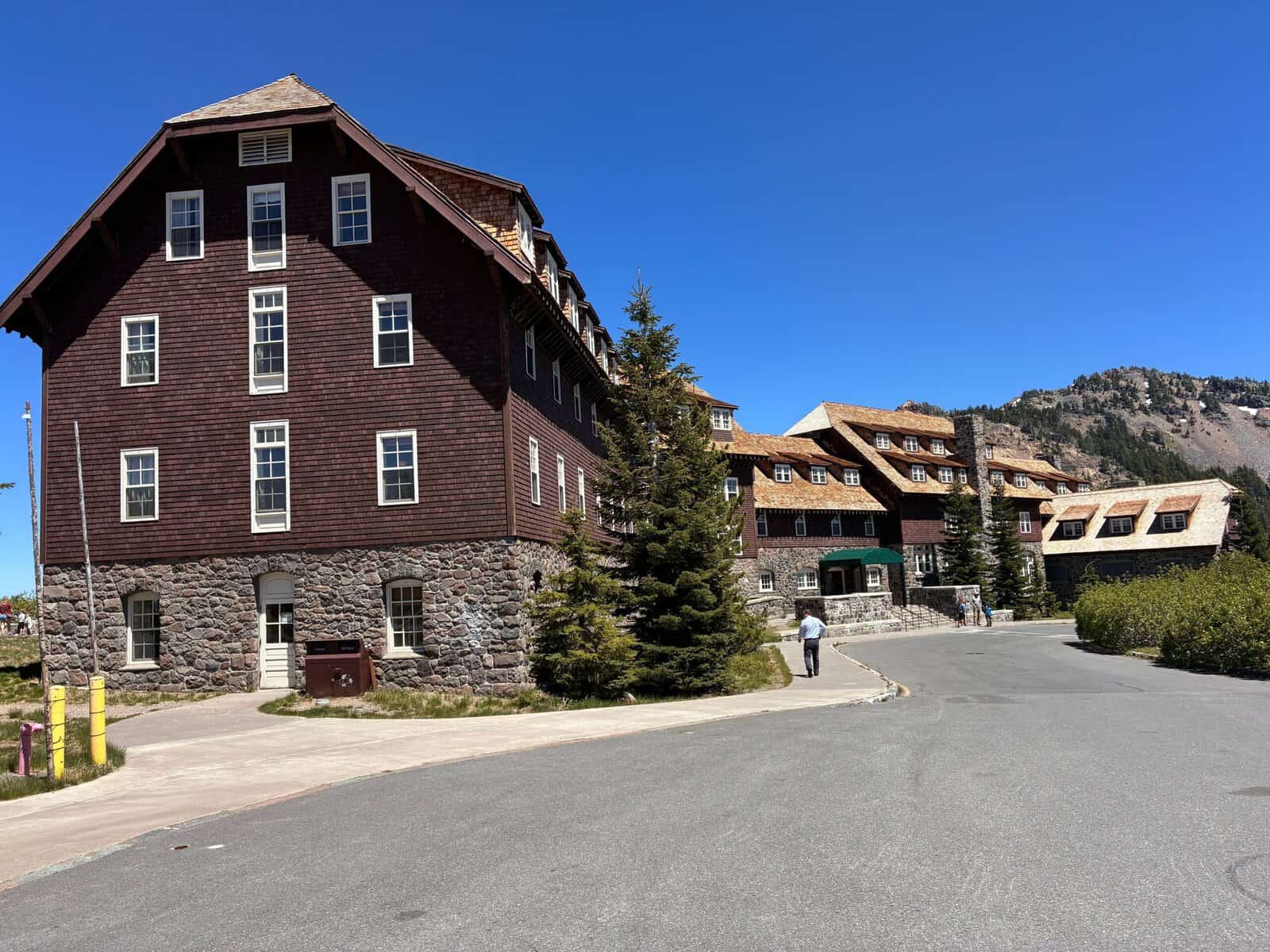
On the southwest rim of the caldera, visitors can stop by Rim Village, the park’s main hub for visitor services. Here, visitors will find a café, gift shop and the historic Crater Lake Lodge. The village’s rustic architecture earned the Rim Village Historic District a place on the National Register of Historic Places in 1997.
Despite the seasonal closure of Cleetwood Cove Trail, Crater Lake National Park remains fully open to visitors. While boat tours are unavailable this season, travelers can still enjoy the park’s iconic overlooks, scenic Rim Drive, hiking trails, wildlife viewing and photography.
A $30 vehicle entrance pass provides seven days of access to Crater Lake National Park during the summer season.
Lake of the Woods: An Alpine Retreat
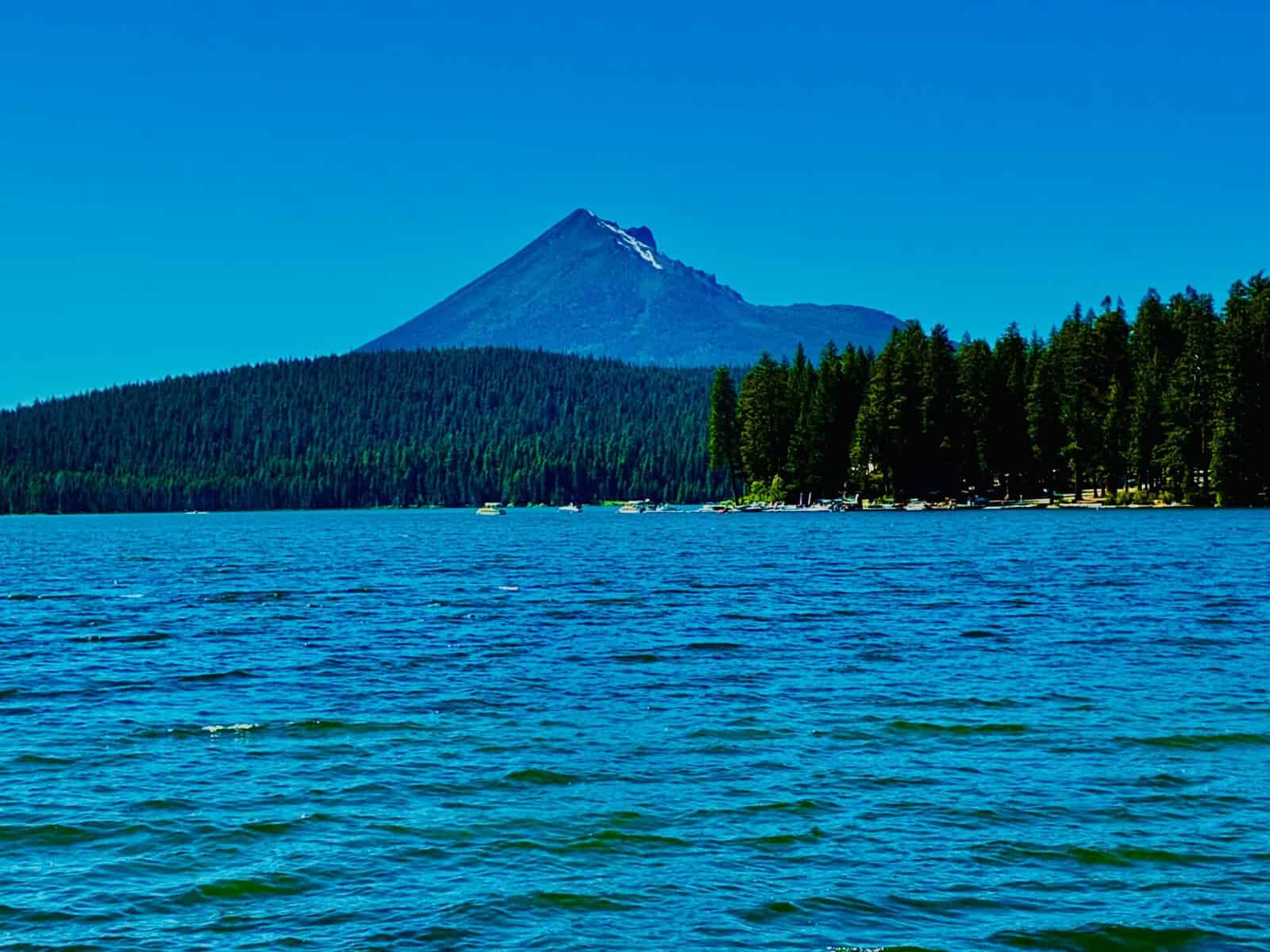
Less than an hour south of Crater Lake National Park, Lake of the Woods is a picturesque mountain lake nestled in the Fremont–Winema National Forest beneath Mount McLoughlin.
A visit to the lake is well worth the stop, where towering evergreens frame the shoreline and Mount McLoughlin rises in the distance. At Lake of the Woods Resort, visitors can rent boats, kayaks and paddleboards, while beach access areas offer chairs for those who simply want to relax and enjoy the peaceful setting.
Whether spending the day on the water or stopping for a few hours, there is plenty to do. During my visit, I walked portions of the High Lakes Trail, where the towering trees provided welcome shade on a warm summer day. Along the way, I frequently paused to admire the sweeping views of Mount McLoughlin.
A $10 day-use fee per vehicle provides access to the recreation area.
A Retreat Near Crater Lake: Running Y Resort
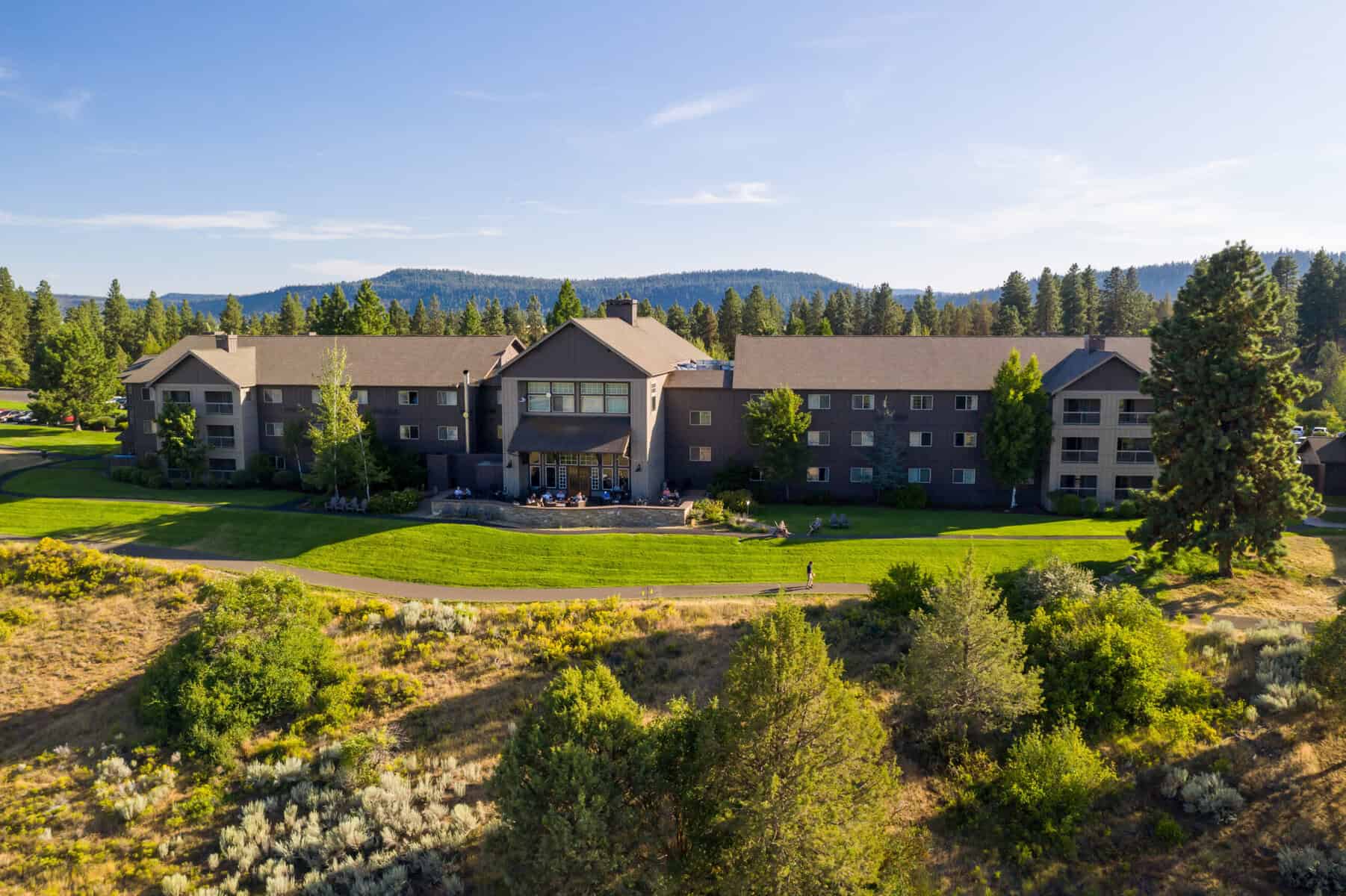
About an hour from Crater Lake National Park in the foothills of the Cascade Mountains, Running Y Resort in Klamath Falls offers a relaxing retreat after a day of exploring. Home to Oregon’s only Arnold Palmer Signature Golf Course, the sprawling 81-room lodge sits on a 3,600-acre property and combines outdoor recreation with upscale amenities. Guests can enjoy a pool, fitness center, spa and on-site dining, making it an ideal basecamp for visiting Crater Lake.
A sunset walk around the property was one of the highlights of my stay. The peaceful setting, abundant birdlife and brilliant night sky made it easy to appreciate Southern Oregon’s natural beauty.
On-site, Ruddy Duck Restaurant serves breakfast, lunch and dinner. Their signature Stuffed Brioche Toast paired with a cup of coffee on the patio overlooking the surrounding forest was the perfect way to start the day.
An Adventure for Everyone: Crater Lake Zipline
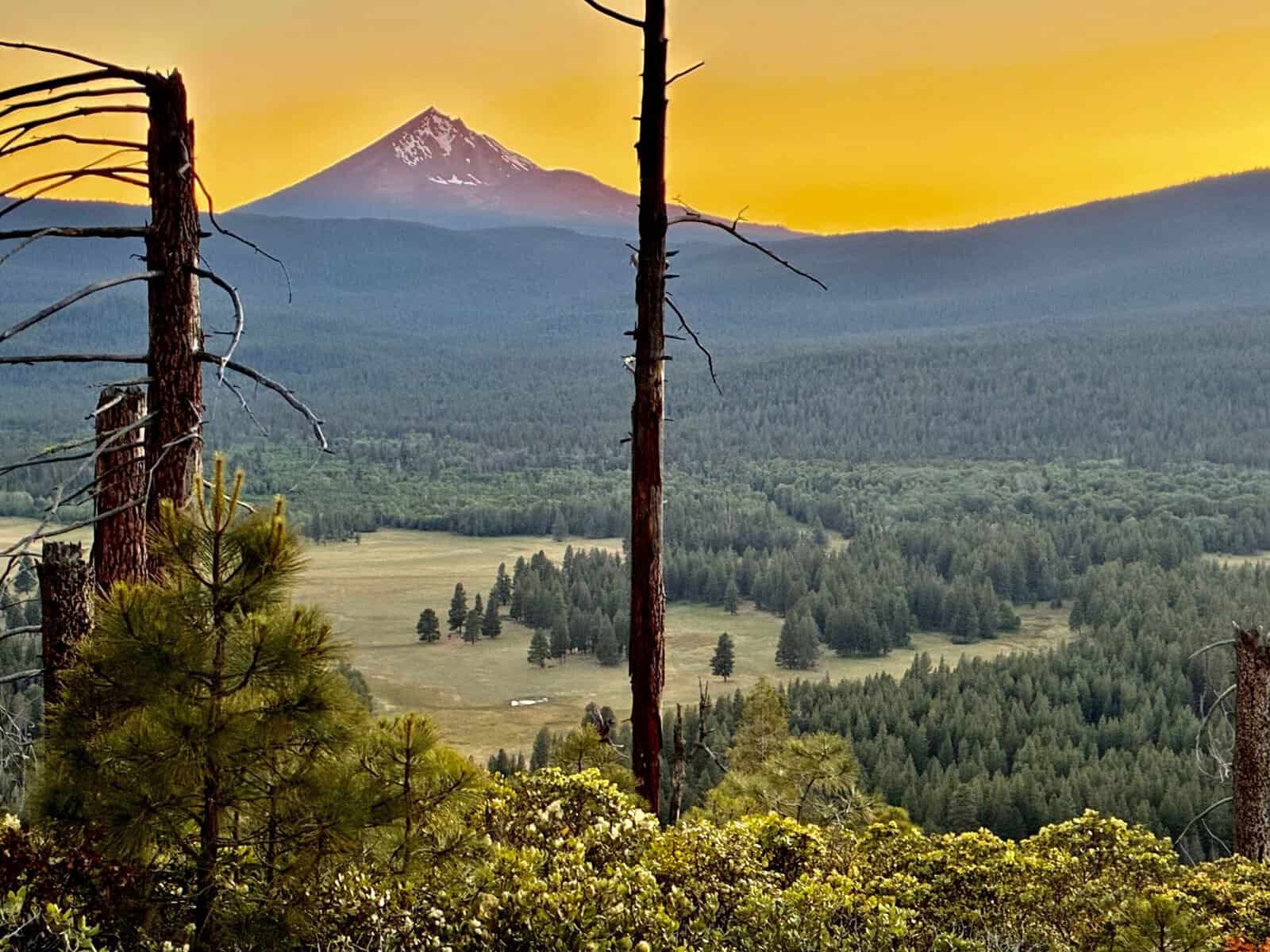
Less than a 20-minute drive from Running Y Resort, Crater Lake Zipline offers outdoor adventures with views of Mount McLoughlin and Upper Klamath Lake in the Fremont–Winema National Forest. Owners Jenifer and Darren Roe founded the company to share the beauty of Southern Oregon while creating memorable experiences for families and friends. While the signature zipline canopy tour is the property’s most popular attraction, guests can also choose from moonlight kayaking, guided hikes, fishing trips, off-road adventures and axe throwing.
I opted for the Sunset Hike with Darren as my guide. During the 90-minute hike up Tomahawk Mountain, he shared insights about the surrounding landscape and wildlife, making the experience both educational and enjoyable. At the summit, panoramic views stretched across the forest as the sun disappeared over the horizon, creating a photographer’s dream.
What sets Crater Lake Zipline apart is the Roes’ commitment to offering an adventure for everyone. They intentionally created experiences for a variety of interests and abilities, including the Scenic Summit Off-Road Adventure, which allows guests with limited mobility to experience many of the same scenic views without hiking.
Good Eats in Klamath Falls

From Running Y Ranch Resort, downtown Klamath Falls is about a 15-minute drive. While familiar chains are available, I suggest visiting their mom-and-pop restaurants, such as the Waffle Hut & Eatery, a diner-style restaurant on Main Street. Given its name, ordering a waffle is nonnegotiable. Specializing in the Liège Waffle, the restaurant uses a recipe dating back to 1700s Belgium that incorporates Pearl sugar clumps into the batter. As the waffle cooks, the Pearl sugar caramelizes on the outside, creating a sweet, chewy texture. I did a half order of the Peanut Butter Fudge Waffle, and the other half was the All Out Waffle, which consisted of mushrooms, hash browns, sausage, pepper, spinach and cheese, all piled on a thick waffle. One word of caution: these waffles are incredibly dense and filling, so a half order is plenty if you plan on trying more than one variety.
For dinner, check out Thai Orchid Cafe on Main Street. This cafe has been a Klamath Falls staple for over two decades, with a second location on Washburn Way. The colorful atmosphere in this quaint eatery complements the dining experience. The Thai Iced Coffee gives a nice boost and the Tom Kar soup is a hefty serving of a Thai classic, with the lemongrass flavor shining through. Their pan-fried rice noodles tasted fresh and were a great pairing with the soup.
Weasku Inn in Grants Pass: Charm in the Simplicity
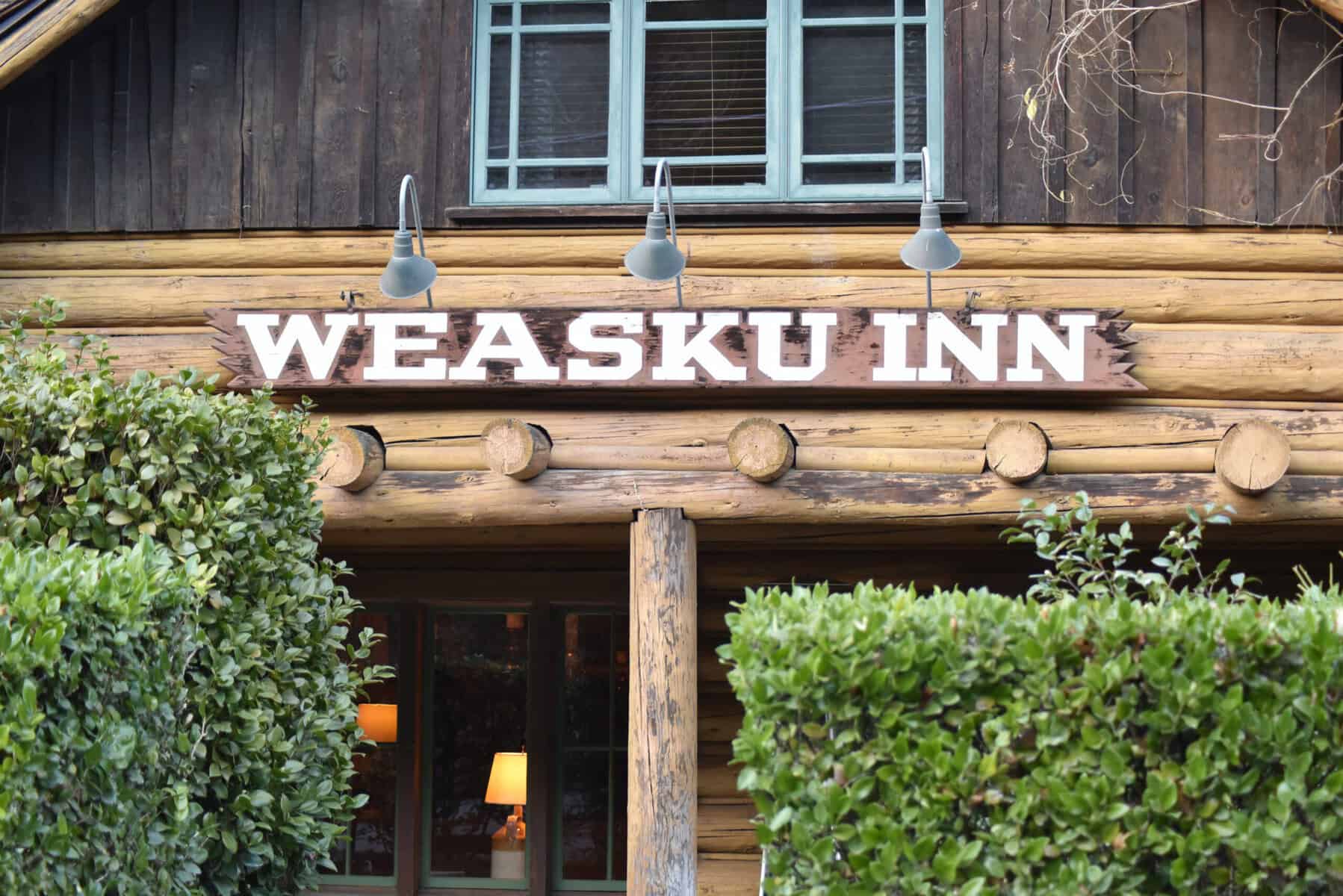
Around a 30-minute drive from Medford, Grants Pass is home to Weasku Inn. For a perfect combination of rustic, convenient, quiet and scenic, stay at this charming property. Built in 1924, the inn has welcomed the likes of Clark Gable, Carole Lombard and Walt Disney. Taking its name from the phrase “we ask you in,” the property truly lives up to its name. The service and hospitality from the staff, from check-in to the cleanliness of the spaces, are impeccable.
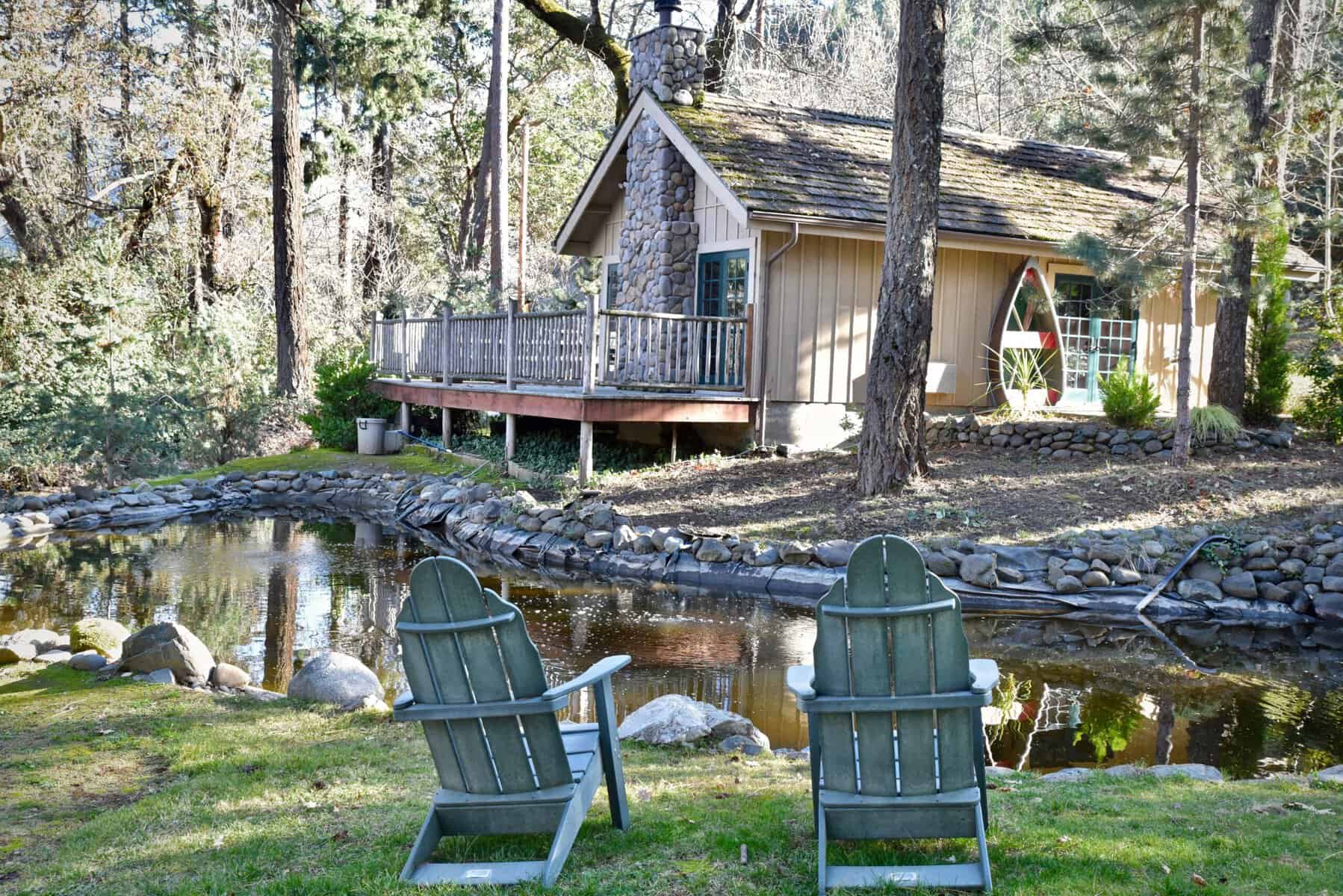
Guests can choose between historic rooms in the main lodge, cabins, or suites with whirlpool hot tubs. The three-bedroom River House is a great option for larger groups. I stayed in the A-Frame River Cabin. As soon as I entered the cabin, a sweet cinnamon scent welcomed me, which made a pleasant first impression.
The room itself was simple yet elegant. Vaulted ceilings, a river-rock fireplace, rustic wood furnishings and a private balcony created a relaxing retreat in the surrounding forest. Although other cabins were situated nearby, I truly felt like I had my own private oasis. The deck was the perfect setting to read a book or enjoy a cup of coffee in the morning.
The lodge provided complimentary breakfast, appetizers in the evening, and cookies and milk later at night. Having these offerings elevated the guest experience, giving me a chance to relax and enjoy a bite to eat between meals.
Oregon Caves National Monument and Preserve: Travel Up to go Underground
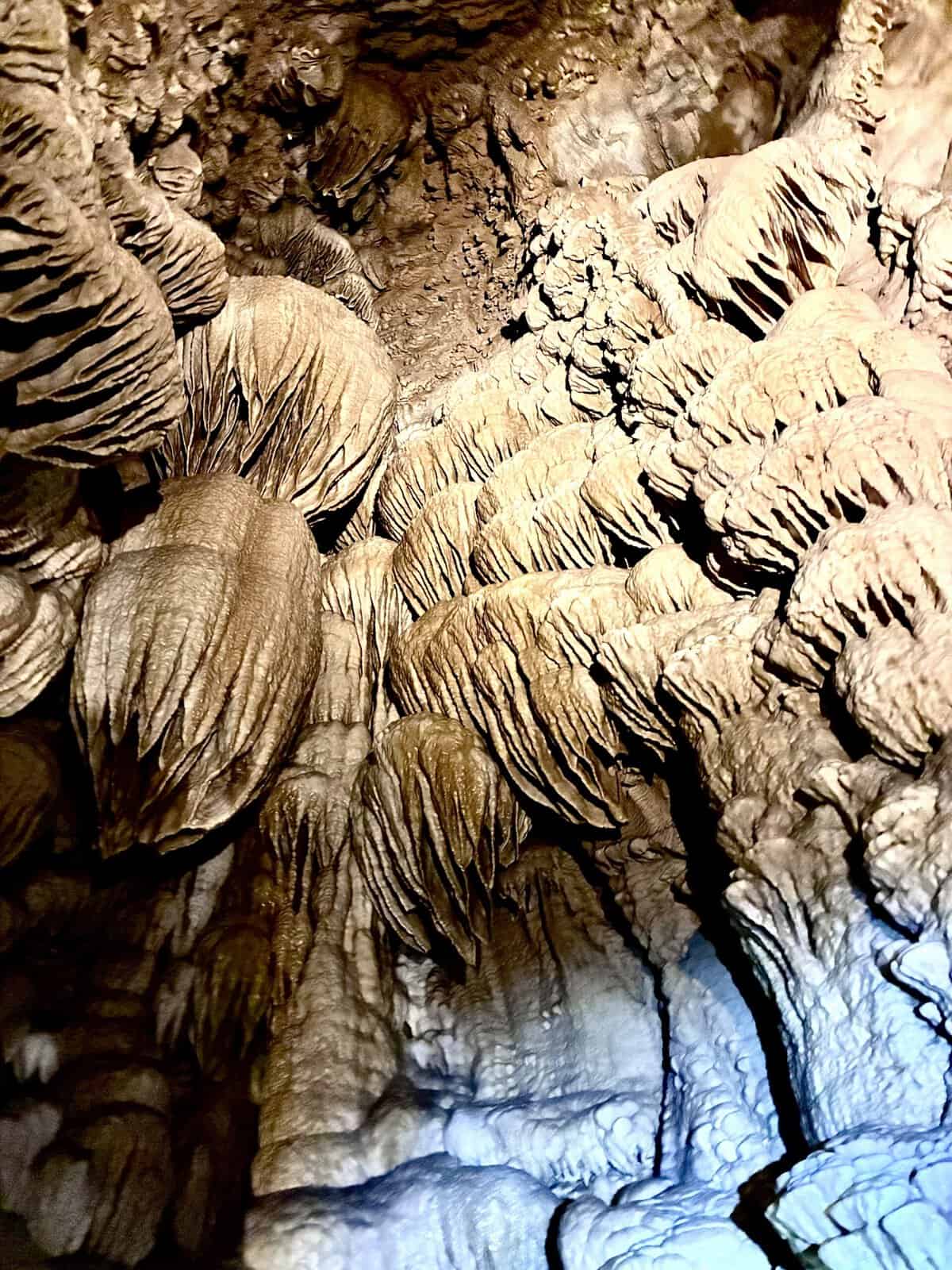
Take an hour drive from Weasku Inn to Oregon Caves National Monument and Preserve for a fun, guided experience through the “Marble Halls of Oregon,” featuring one of the few marble cave systems in the United States. The drive itself to the caves was winding and scenic, offering breathtaking views of the Siskiyou Mountains.
Around 90 minutes long and involving more than 500 stairs, the tour is moderately strenuous, with occasional bending, twisting and stooping. The caves remain a cool 44 F year-round, so don’t expect to become overheated during the tour, but do wear warm, comfortable clothing. During the tour, the various rock formations are identified, including several optical illusions that left me in awe. A few bats can often be seen, along with former guests’ initials etched into the rocks from the days when the caves were newly explored. Originally discovered in 1874, the cave system is considered a wet cave due to the River Styx flowing through it, the first totally underground stream to be added to the National Wild and Scenic Rivers System.
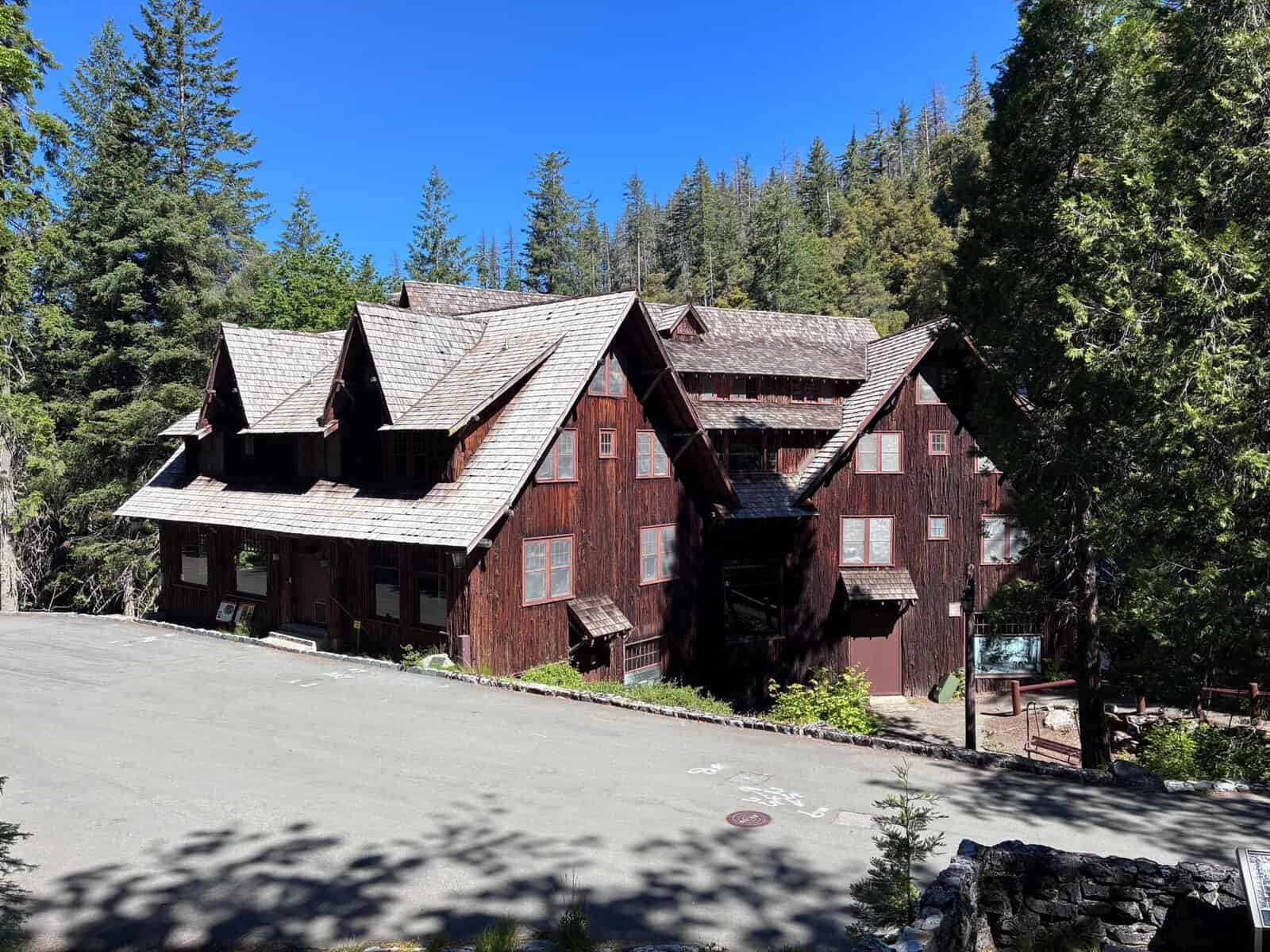
Near the cave entrance is the Oregon Caves Chateau, built in 1934. A National Historic Landmark, it was the first place in Oregon to be included on America’s 11 Most Endangered Historic Places list. The Chateau is currently closed to visitors and in need of significant repairs. In 2007, the Friends of the Oregon Caves and Chateau formed in partnership with the National Park Service to help secure funding to restore this architectural treasure. When visitors pass the Chateau, they are seeing not only a historic structure but also a landmark that once played a central role in Southern Oregon’s tourism economy.
Hellgate Excursions on the Wild and Scenic Rogue River
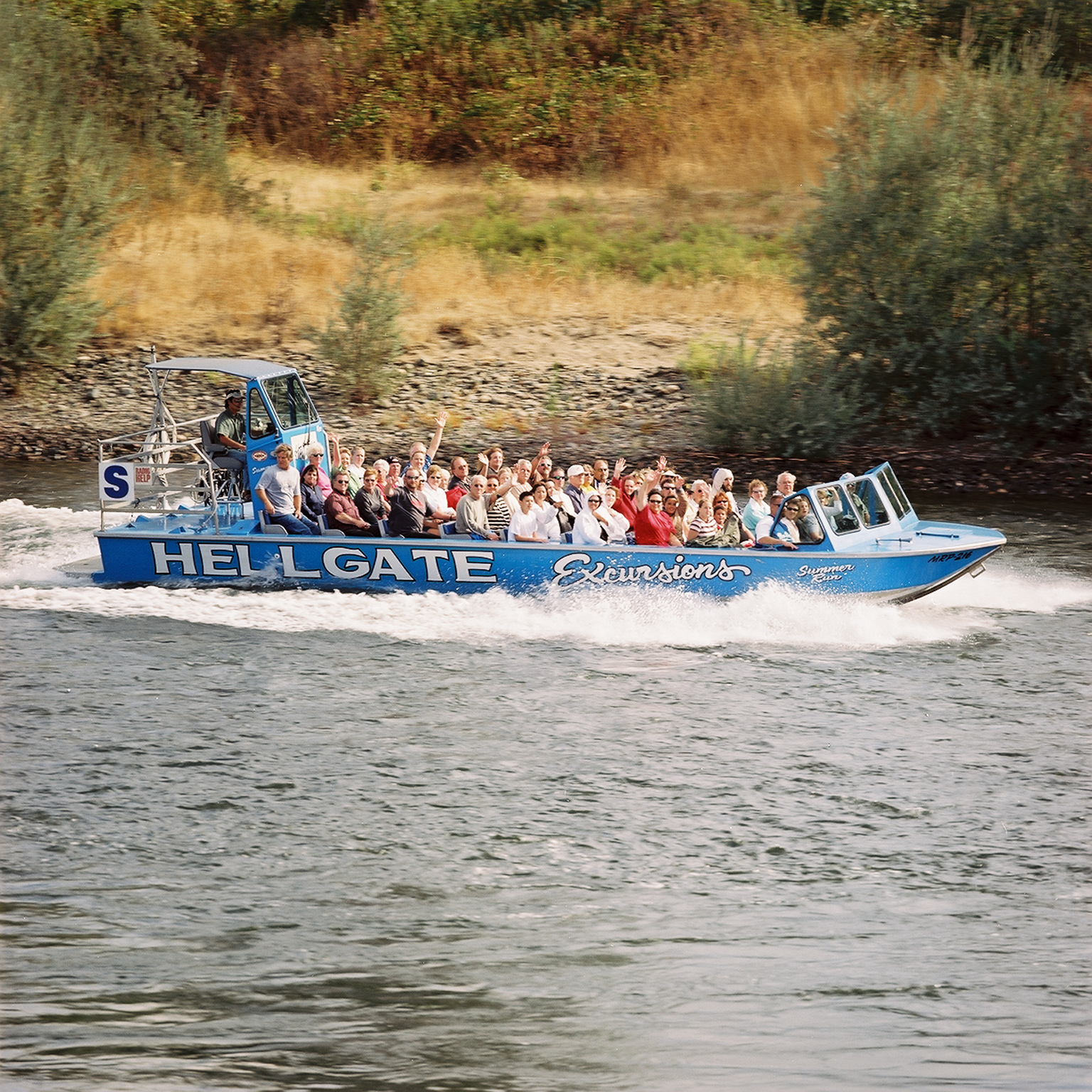
Located in downtown Grants Pass and less than a 15-minute drive from Weasku Inn, Hellgate Excursions gives visitors a chance to see why Grants Pass brands itself as the “Best River Town in America.” Flowing 215 miles to the Pacific Ocean, the Rogue River is known for its fishing, whitewater rafting and its role in the gold rush of the 1850s. Portions of the river are protected as the Wild and Scenic Rogue River, preserving some of Southern Oregon’s most spectacular scenery.
For an unforgettable river adventure, book the Dinner Jetboat Excursion, which explores the Wild and Scenic Rogue River. The 36-mile journey lasts four hours with a stop at Hellgate River Lodge for dinner. The jetboats themselves are highly engineered, holding dozens of passengers while cruising through as little as 6 to 8 inches of water. The pilots undergo rigorous training and occasionally perform 360-degree spins, so getting wet is inevitable.
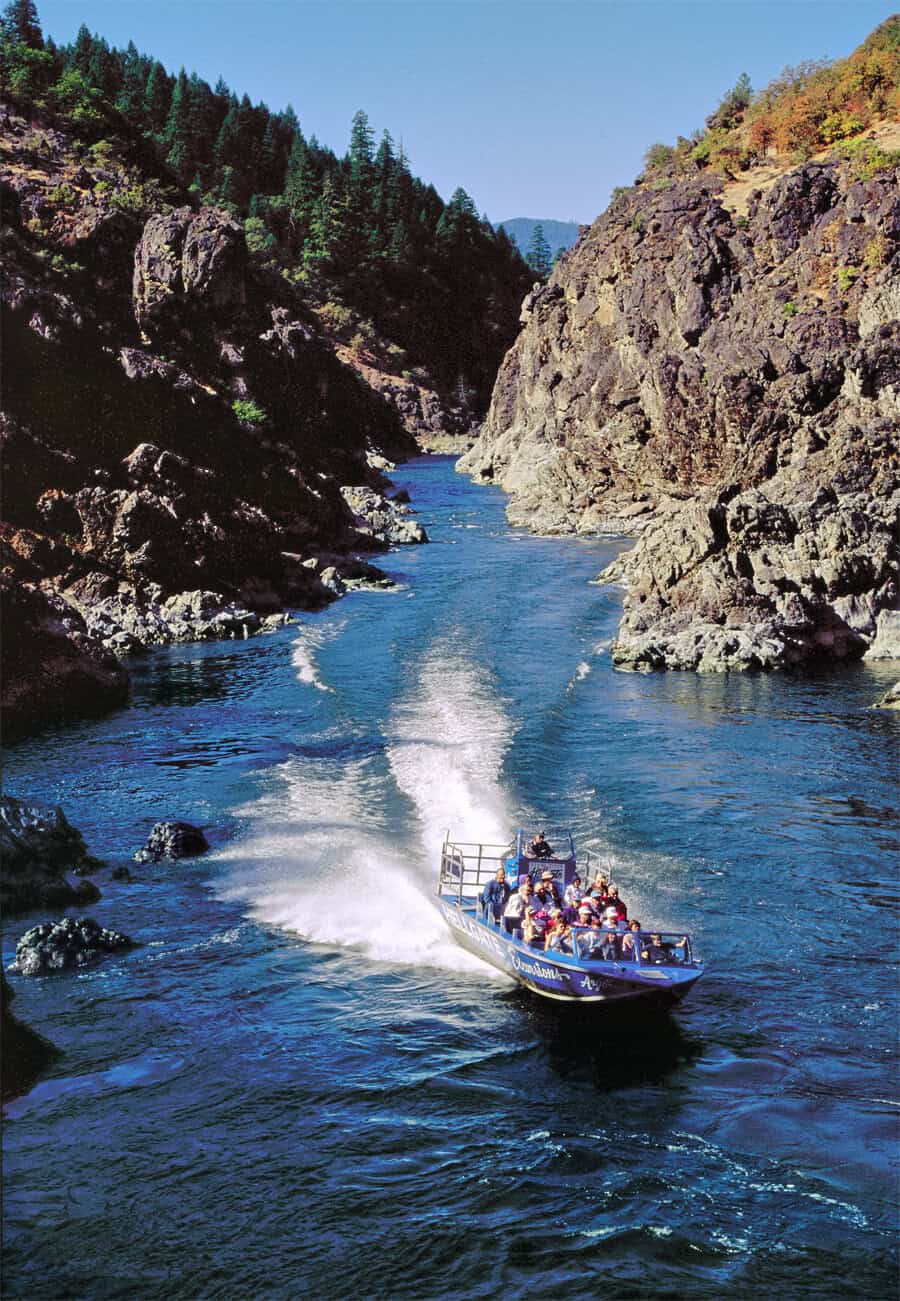
Along the way, the pilot narrates important landmarks, including prominent homes and filming locations. The best part of the excursion was seeing how people and wildlife coexist along the Rogue River. Rivergoers waved enthusiastically as they relaxed along the banks. We saw bald eagles, deer, ospreys and turtles.
At Hellgate River Lodge, dinner featured comfort food favorites such as barbecue oven-roasted chicken, creamy scalloped potatoes and apple cobbler. Enjoying a meal on the riverside patio while taking in the river views and conversing with other guests was a meaningful part of the experience.
Grants Pass: A River Town with Character
Visitors strolling through downtown Grants Pass will notice the city’s iconic “It’s the Climate” sign hanging above 6th Street, a reminder of the mild climate that makes it enjoyable to spend time outdoors without the humidity many Texans are accustomed to.
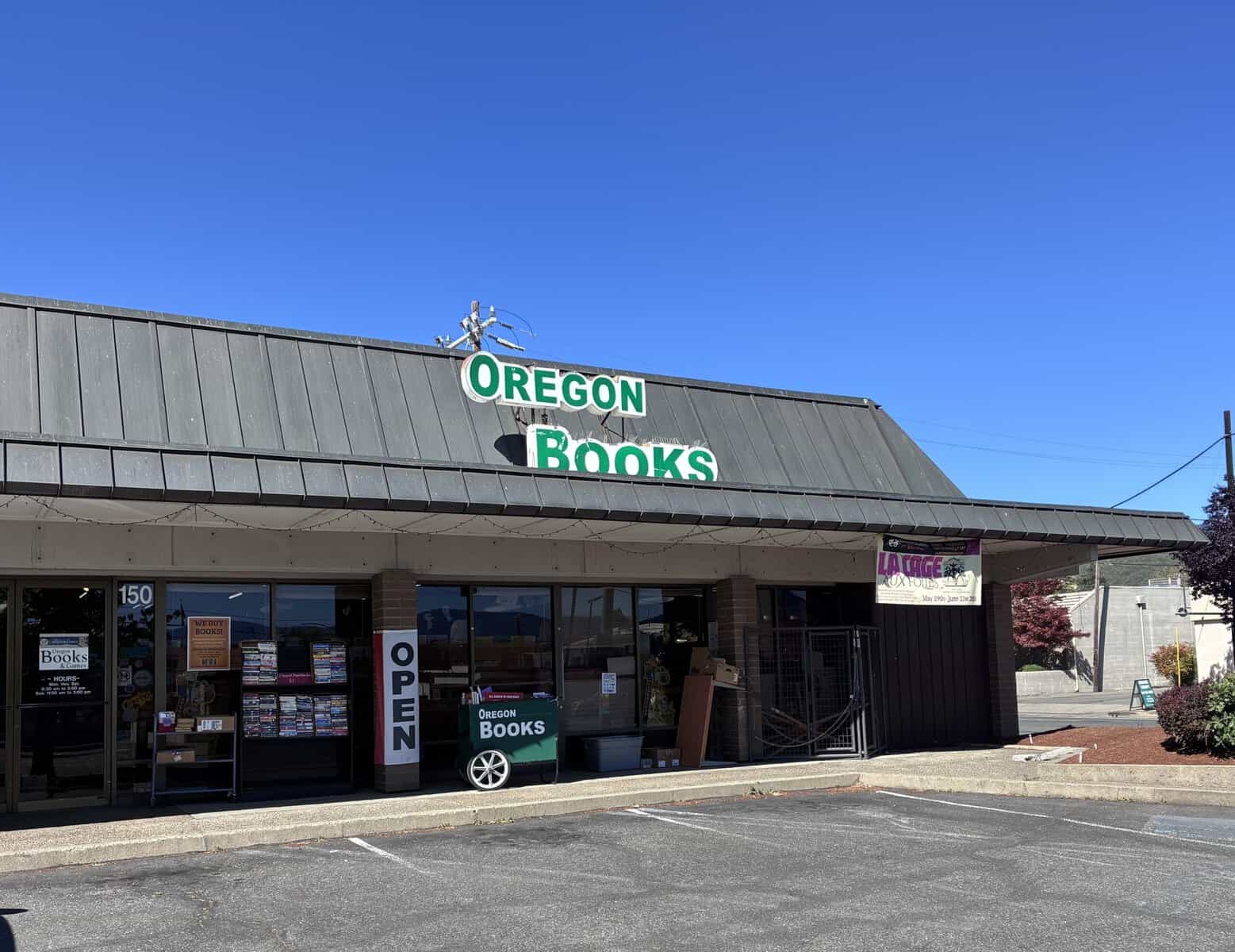
Boutiques, shops and restaurants line the downtown area. I stopped at Oregon Books and Games, an independent bookstore that stocks both bestsellers and works by local authors.
For lunch, check out Rogue Salad Co., a fast-casual restaurant serving healthy fare, including the flavorful Thai Crunch Salad. Their smoothies taste fresh and aren’t overly sweet.
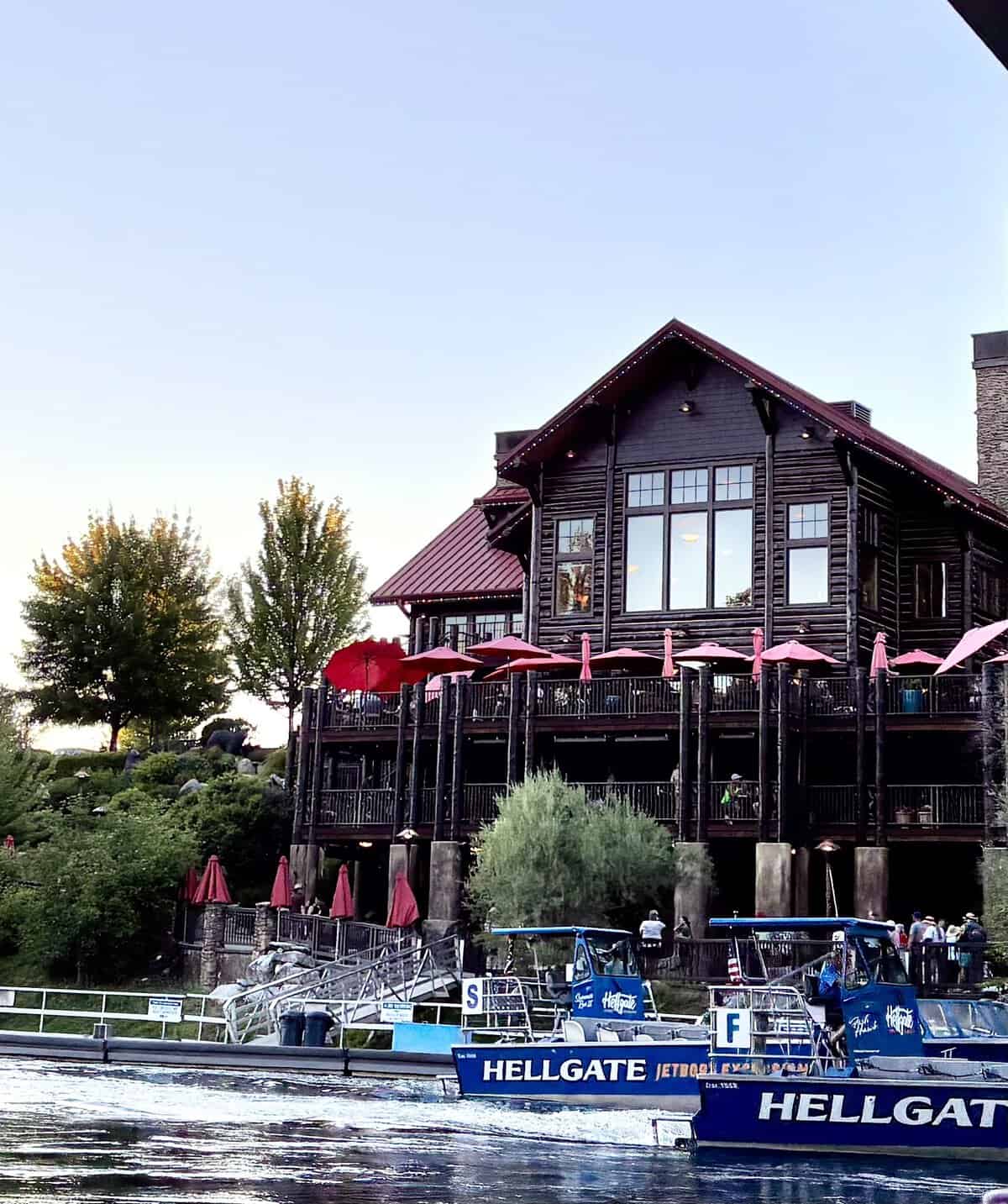
Overlooking the Rogue River and the docking point for Hellgate Excursions is Cartwright’s Taprock Northwest Grill. A table on the patio is a must, as the river views elevate the dining experience. The Rainbow Trout Piccata came highly recommended, showcasing one of Southern Oregon’s signature freshwater fish.
Applegate Valley: Oregon Wine Country
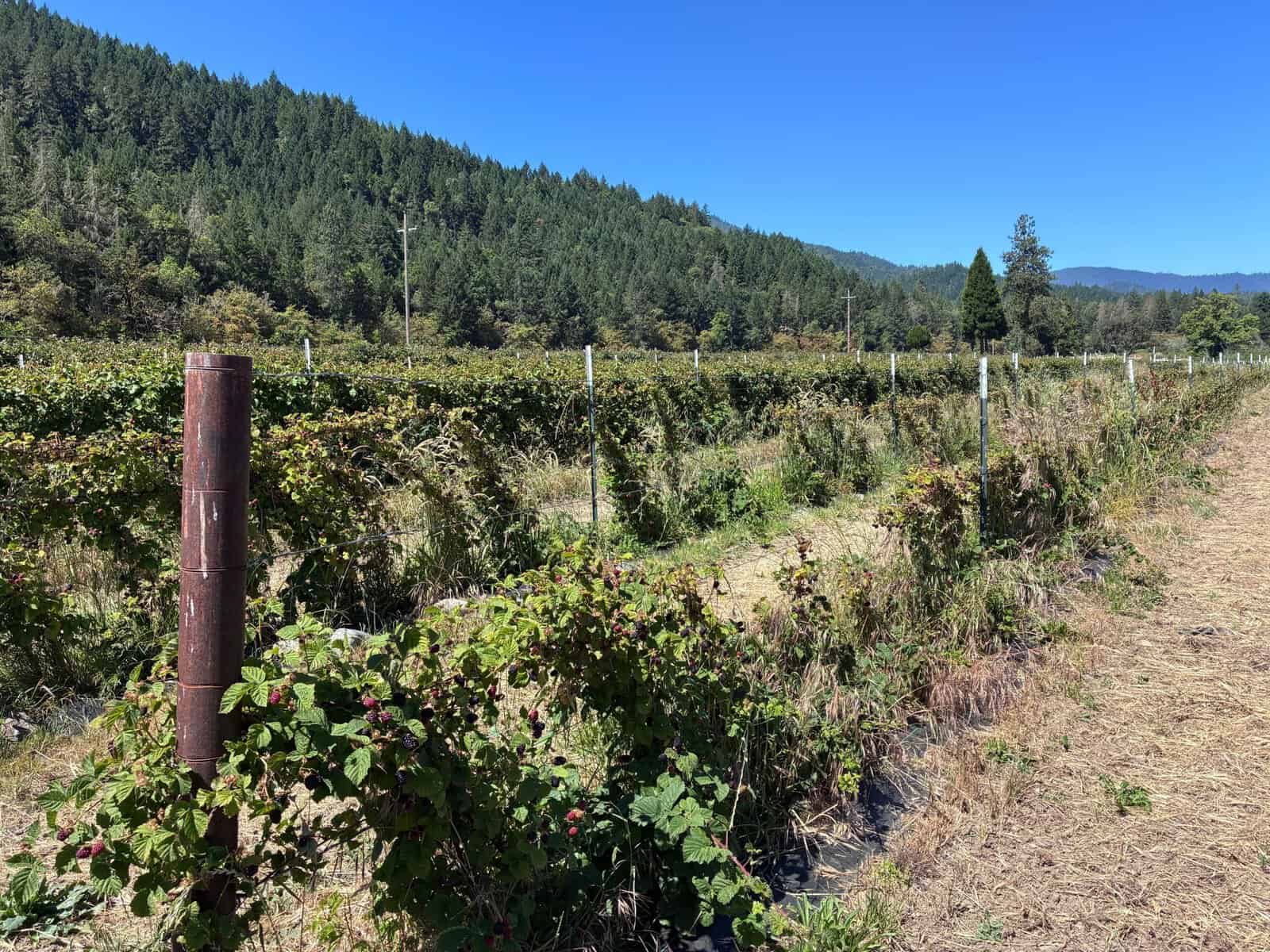
With more than 150 wineries and the Oregon grape serving as the state flower, it’s no wonder wine is such an integral part of Oregon’s culture. A staff member at Weasku Inn recommended taking Highway 238 through the Applegate Valley on my way to Jacksonville, where wineries and lavender farms are plentiful. The drive alone was worth the detour, as rolling hills and vast fields of crops seemed endless.
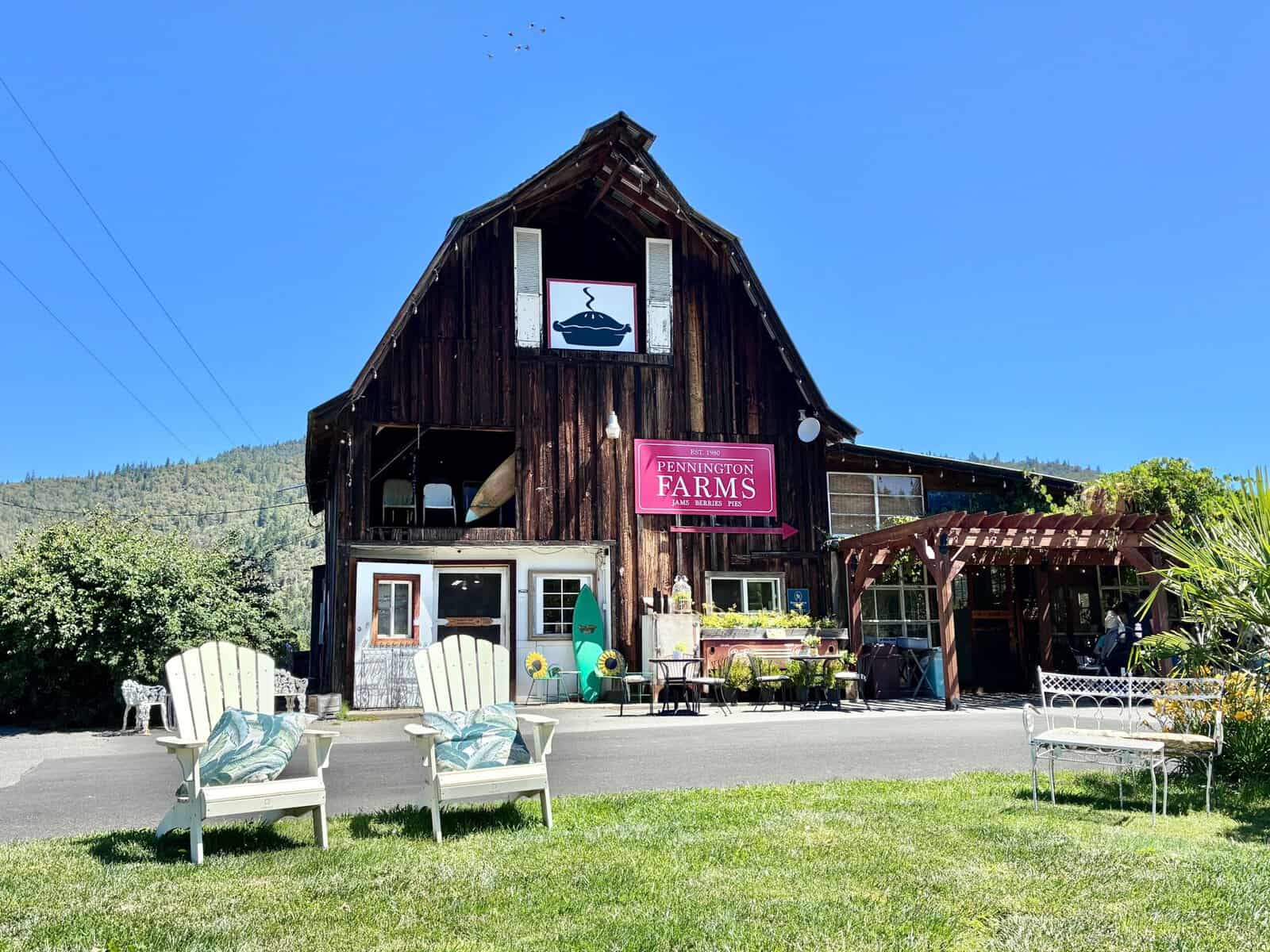
I stopped at Pennington Farms, a 90-acre farm and bakery that sells jams, pies, honey and pastries. Walking onto the property felt serene, with rows of berry vines growing in the surrounding fields. The variety of berries was a pleasant surprise, including golden raspberries, tayberries and olallieberries. As I left with a few jars of jam, I was struck by the feeling that this was exactly the kind of place travelers hope to stumble upon while heading to another destination.
Driving through the Applegate Valley made me wish I had set aside more time for a winery visit. The scenery, climate and views alone make a compelling case for experiencing Southern Oregon’s wine country.
Jacksonville: A Historic Gold Rush Town
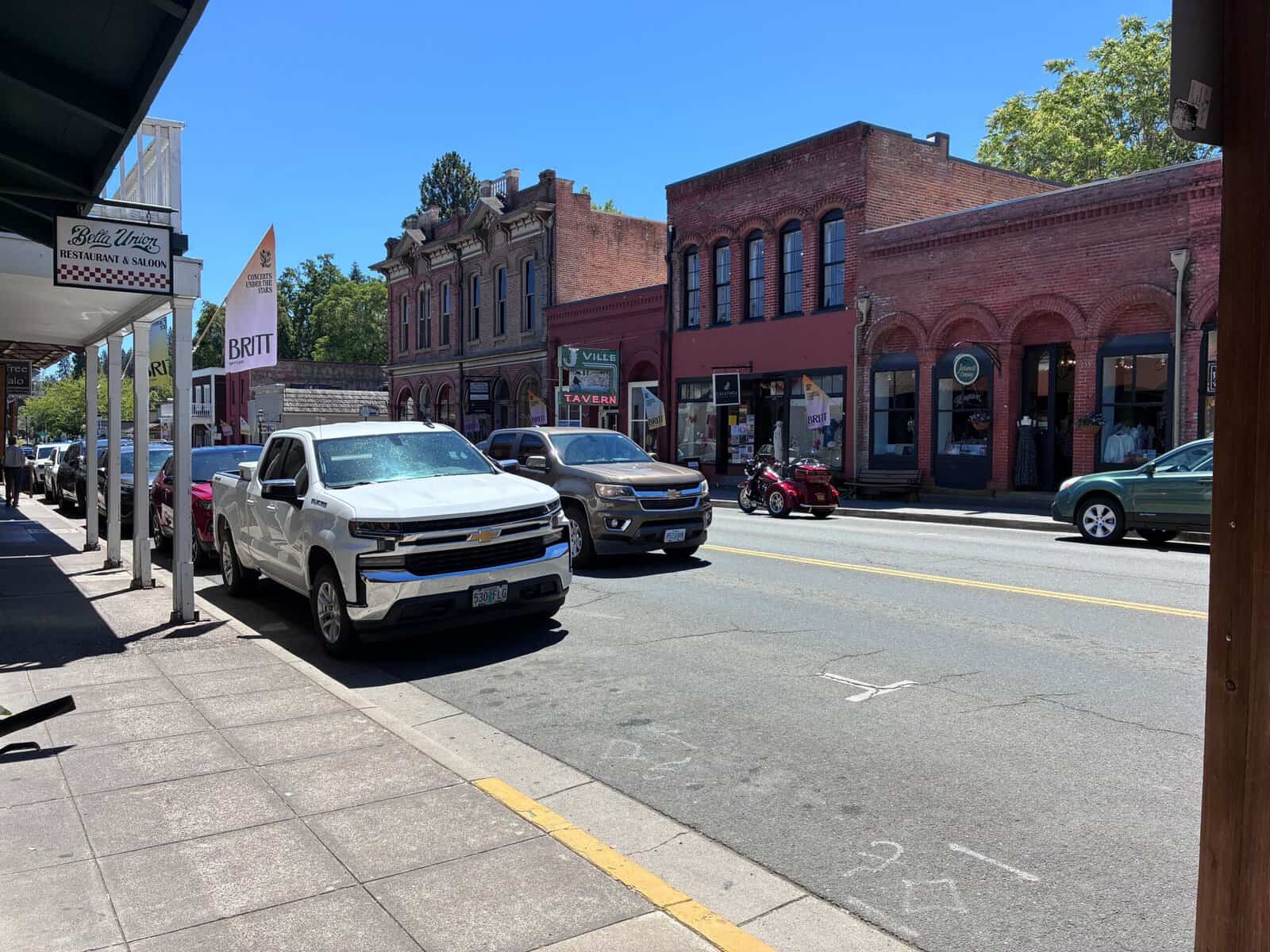
Centrally located in Southern Oregon, Jacksonville is a perfect small town to pass through or stop by for an extended stay. Founded during the gold rush of the 1850s, the city preserves much of its frontier-era character, offering visitors a glimpse into Southern Oregon’s early history.
The main street exudes charm with its historic architecture, boutiques and shops. A short walk from downtown is Jacksonville’s Historic Cemetery, one of the oldest cemeteries in the Pacific Northwest, dating back to 1860.
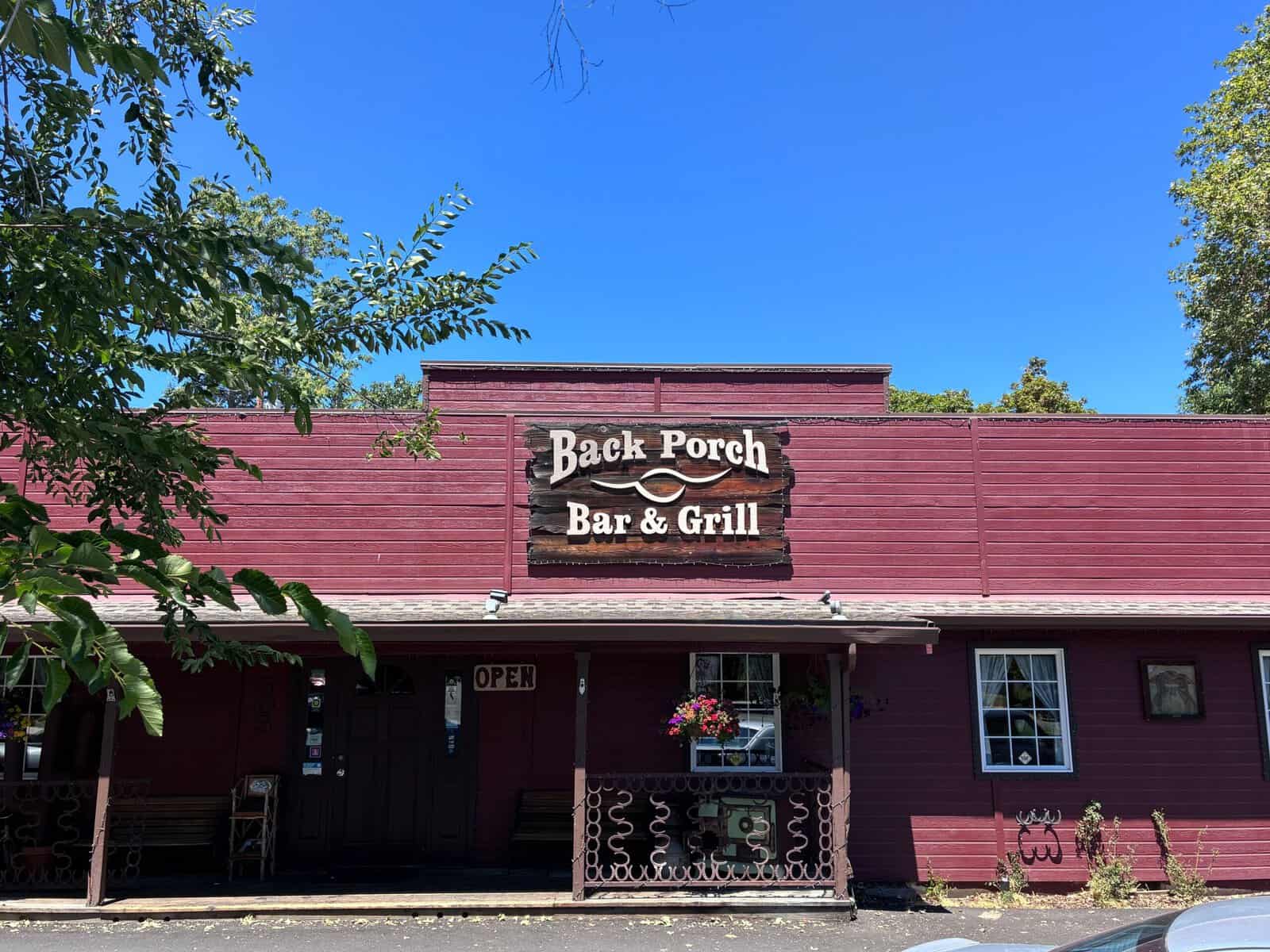
Less than a 10-minute walk from downtown, I stopped for lunch at Back Porch Bar & Grill. Decorated with cowboy boots, lassos and photos of Western movie stars, the restaurant embraces the town’s frontier heritage. I ordered the popular Jalapeño Brisket Melt, a flavorful sandwich that was both spicy and savory.
The town is also home to the Britt Pavilion, a picturesque outdoor amphitheater that hosts the acclaimed Britt Music & Arts Festival. Running from June through September, the festival attracts nationally recognized artists.
Ashland: A One-of-a-Kind Small Town
Just 10 minutes from Medford, Ashland makes for a convenient first or last stop when flying into Southern Oregon. The adorable town sits in the Rogue Valley at the base of the Siskiyou Mountains, so compared to the other destinations in the region, it feels warmer, greener and more temperate.
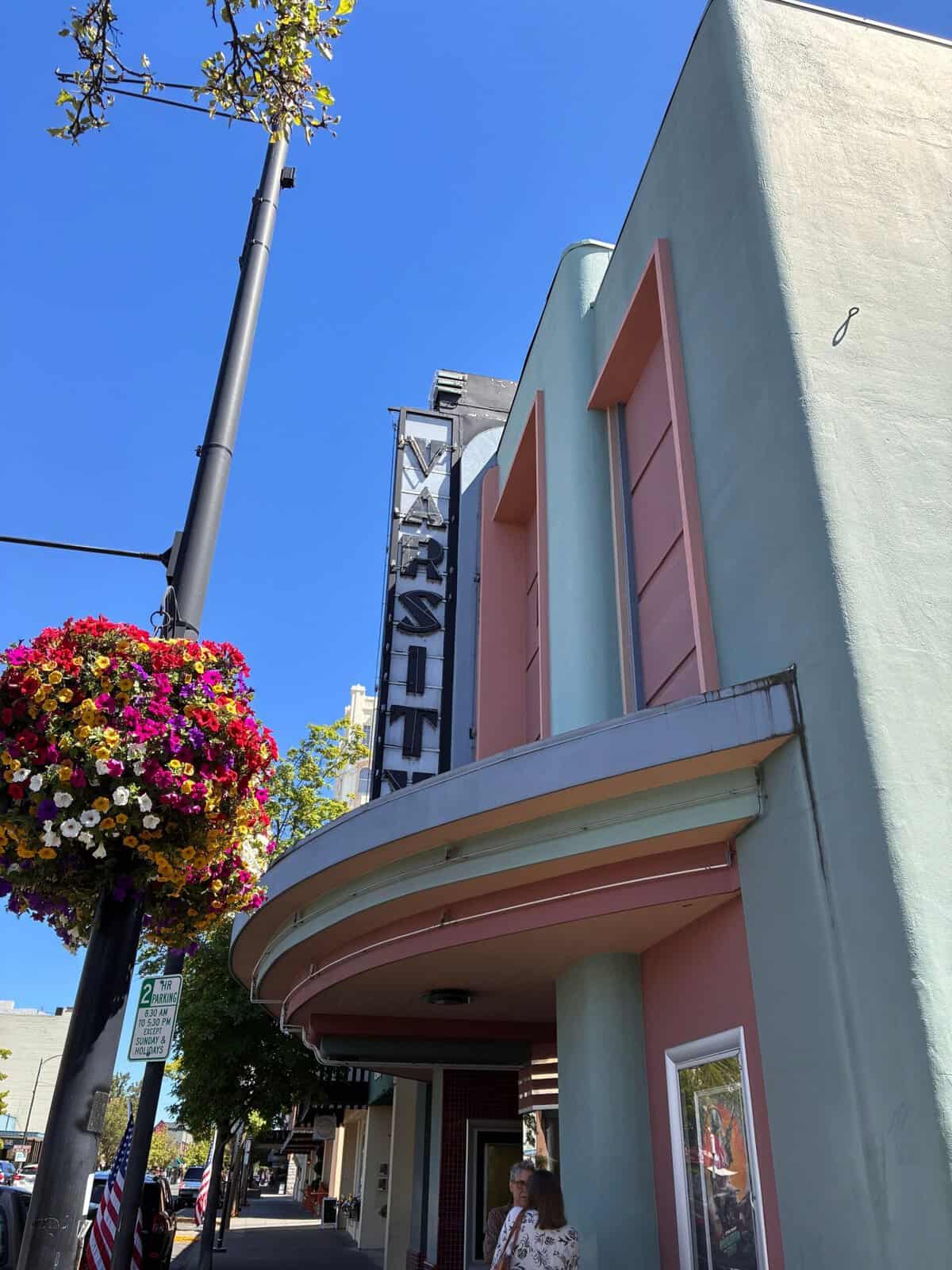
Home to Southern Oregon University, Ashland’s character is defined by arts and nature with a lively college-town energy. Colorful hanging flower baskets brighten the downtown streets, adding to the city’s welcoming atmosphere.
The Oregon Shakespeare Festival is the cultural heart of Ashland, drawing visitors from around the world for a rotating lineup of Shakespearean classics and contemporary productions. Its iconic Allen Elizabethan Theatre bears a striking resemblance to the open-air playhouses of Shakespeare’s era.
Founded in the 1850s, Ashland and its downtown still reflect that early settlement pattern with walkable streets, historic brick buildings and storefronts. Walking past the Varsity Theatre, built in 1937 and still showing new releases, felt like stepping into a bygone era. Also on Main Street, Bloomsbury Books, a brick-and-mortar independent bookstore, houses an impressive Shakespeare collection and is well worth a visit.
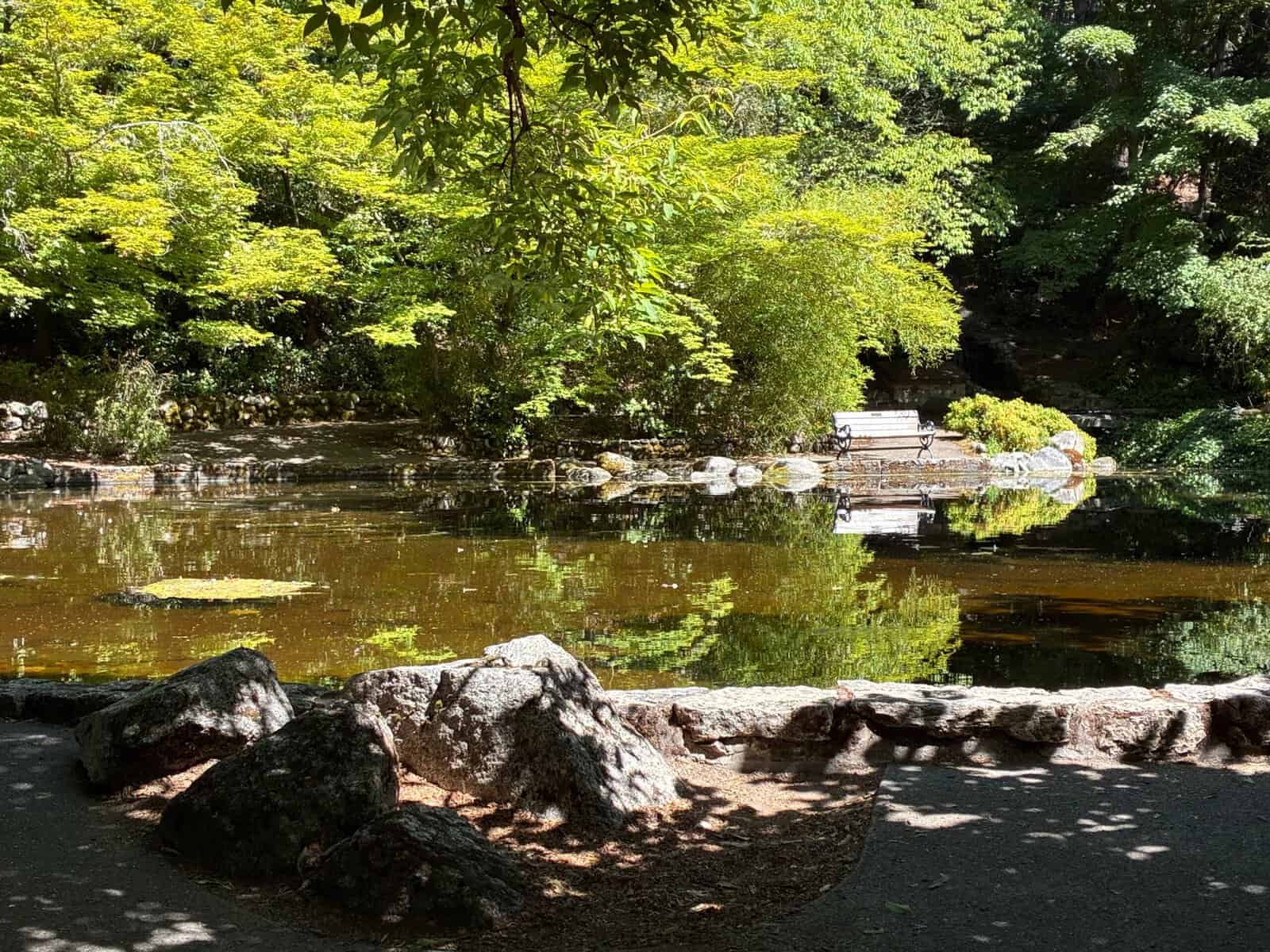
Grab a pastry and coffee at Mix Bakeshop, just steps from Lithia Park, before taking a stroll through the 93-acre green space. Set along Ashland Creek, the park features two duck ponds, a Japanese garden and winding paths that create the feeling of an urban oasis.
Final Thoughts
One of my favorite parts of the trip was talking with locals, who were eager to share the places they love most. Their advice was to allow extra time for the scenic drives, especially around Crater Lake and keep an eye on your gas tank before entering the park. Hike Table Rocks for its panoramic views and visit Union Creek about 15 minutes from Crater Lake for its waterfalls. If time allows, make the drive to Lava Beds National Monument near the Oregon-California border to explore its remarkable lava tube caves.
Southern Oregon is one of those places that surprises you. The diversity of geological wonders, landscapes, quaint small towns and climates packed into one region is part of its appeal. Spending time in its natural surroundings has a way of quieting the mind. The distractions of everyday life seem to fade, leaving more time to appreciate the scenery, reconnect with loved ones and simply be present.
_______________________________________________________________________________________________________________________
Cover photo by Varadh Jain on Unsplash

Sara Aguinaga is a dedicated massage therapist and editorial contributor at Texas Lifestyle Magazine. She loves indulging in spa treatments, exploring diverse cuisines and traveling.