


Share
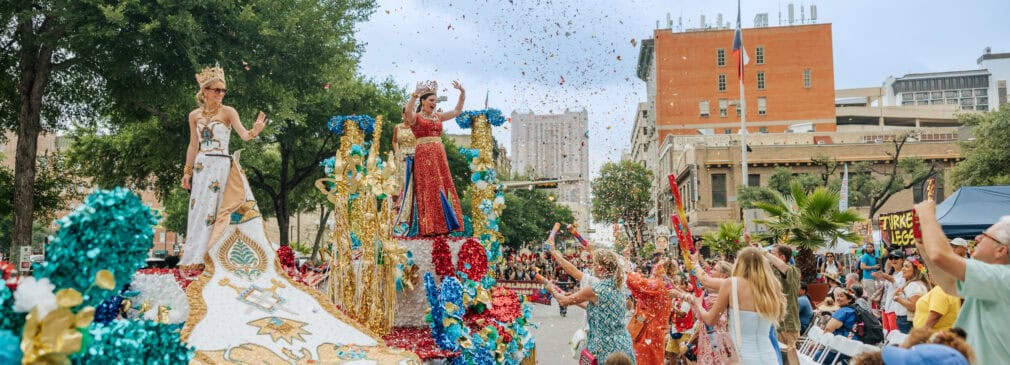
The 11-day festival included parades, music, food and city pride.
What began as a one-parade event in 1891 to honor the heroes of the Alamo and the Battle of San Jacinto has blossomed into a multi-day festival celebrating the cultural diversity of San Antonio. Today, Fiesta San Antonio is one of the nation’s premier festivals, drawing more than 2.5 million attendees annually. More than 100 Fiesta events take place across the city each year, filling San Antonio with parades, performances, food and longstanding traditions.
In 1959, the Fiesta San Antonio Commission, a 501(c)(4) organization, was established to oversee the celebration and help its member organizations coordinate Fiesta events that raise funds supporting the arts, nature, higher education scholarships, military programs and many other causes.
The heart of Fiesta lies in the community, as the festival would not be possible without the efforts of 75,000 volunteers. Each year, Fiesta contributes $340 million to the San Antonio economy.
A Secret Within San Antonio
As a lifelong resident of the DFW region, I was stunned that I had never heard of this extravagant festival in my home state. I brought up Fiesta among peers, and many of them had never heard of it either.
President of the Fiesta San Antonio Commission Ferne Burney says, “Fiesta remains one of our city’s best-kept secrets beyond our borders, and the Fiesta Commission is working diligently to share our story.”
After learning that this annual celebration has been taking place for more than 135 years and carries such cultural significance, I knew I had to attend and see firsthand how this celebration unfolded. I attended Fiesta festivities for four days, and each event was distinct and showcased a meaningful chapter in the identity of San Antonio.
Arrival in San Antonio
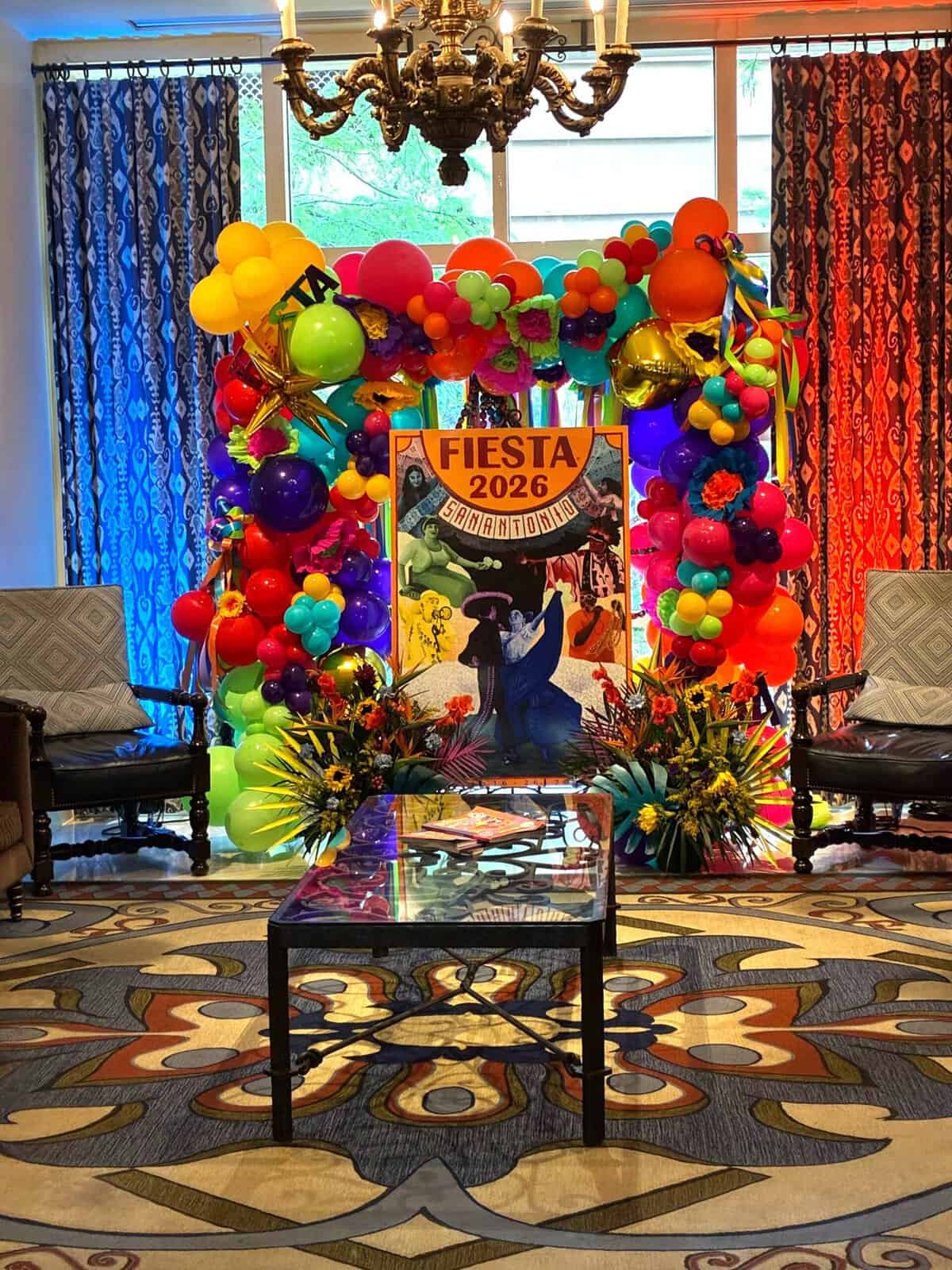
From DFW, I flew into San Antonio International Airport, a flight that lasted well under an hour. I checked in at The Westin Riverwalk, San Antonio, a hotel with easy access to many Fiesta events and attractions. The Fiesta spirit greeted me in the lobby with colorful flowers and balloons decorating the space.
It wasn’t until I arrived that I understood how meaningful Fiesta medals are to the celebration. The tradition dates back to 1946, when King Antonio began handing out commemorative coins to children. In 1971, those coins evolved into the modern Fiesta medal, when holes were added so they could be worn on ribbons or pinned to clothing. New designs are created each year, and some attendees even make their own. Fiesta-goers wear them proudly, and trading them has become a cherished part of the celebration.
Exploring San Antonio
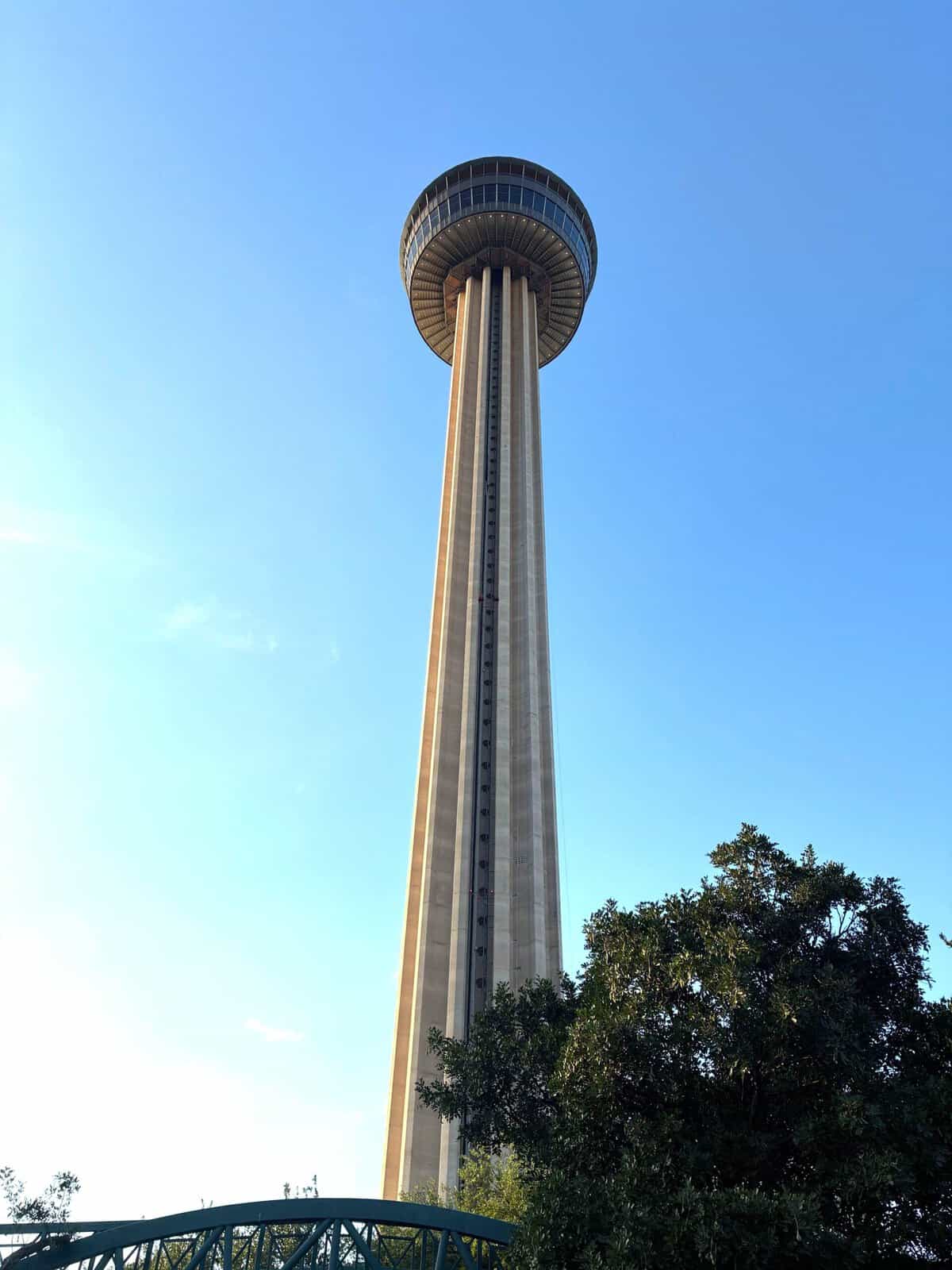
Before I attended Fiesta events, I visited the Tower of the Americas. This 750-foot-tall structure offers panoramic views of the Alamo City. Even the elevator ride to the top felt like an adventure. Having cocktails while watching the sun set over the city was a great way to segue into the days ahead.
I also explored downtown San Antonio and some of its surrounding neighborhoods by a Vespa-powered Sidecar, which gave me a wider sense of the city. The ride offered a fun way to take in murals, historic homes, restaurants and museums, while also passing through neighborhoods with deep European roots. Experiencing downtown San Antonio in the open air made it a worthwhile adventure.
Key Fiesta Events
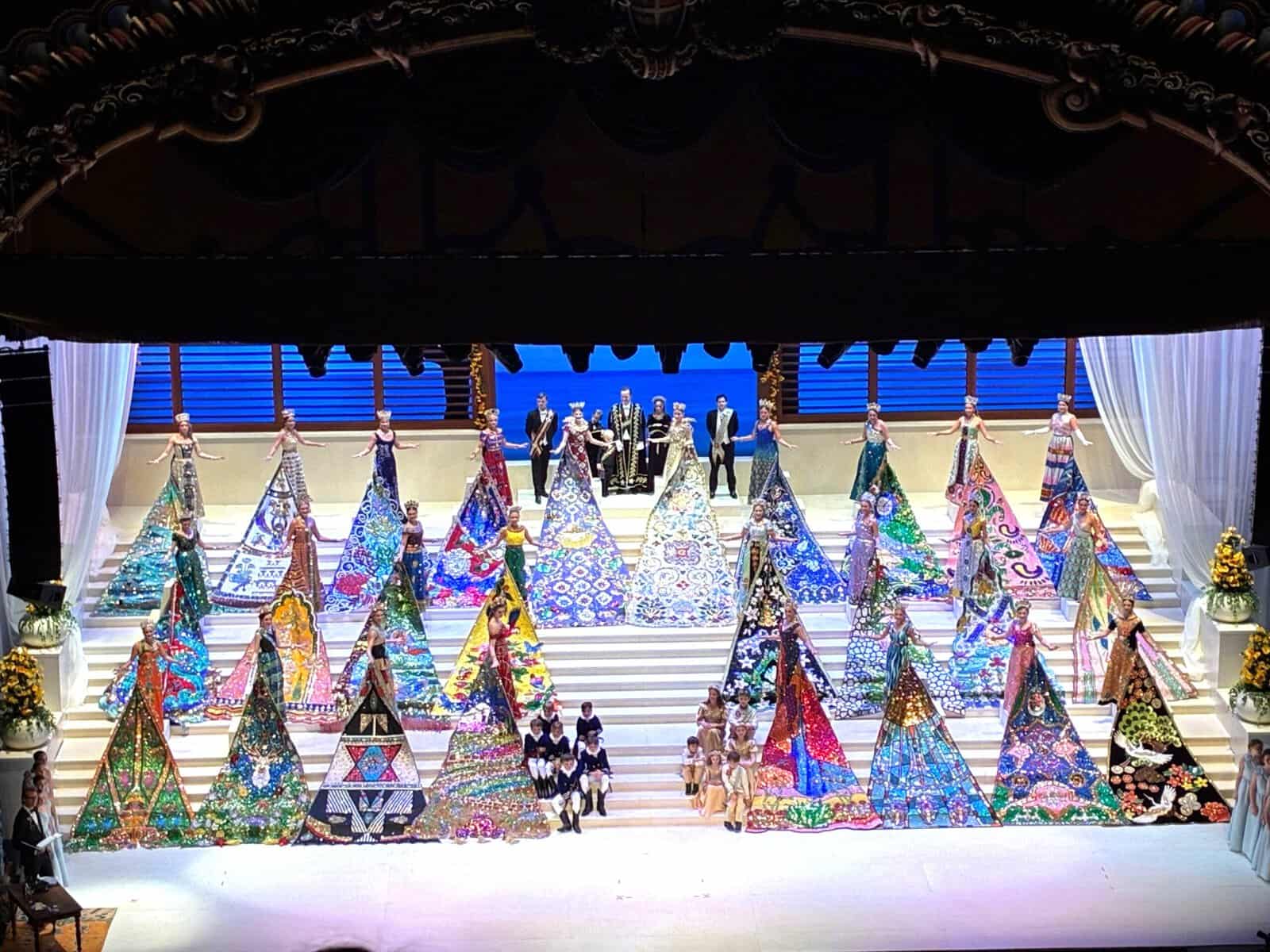
The first event I attended was the Coronation of the Queen, hosted by the Order of the Alamo on April 22 at the Majestic Theatre, one of Fiesta’s most formal and tradition-rich events. The Queen’s court includes a princess, 12 in-town duchesses and 12 out-of-town duchesses. The ceremony featured elaborate gowns covered in glittering sequins, and the colorful dresses were especially striking against the backdrop of the Majestic, a beautifully designed theater built in 1929.
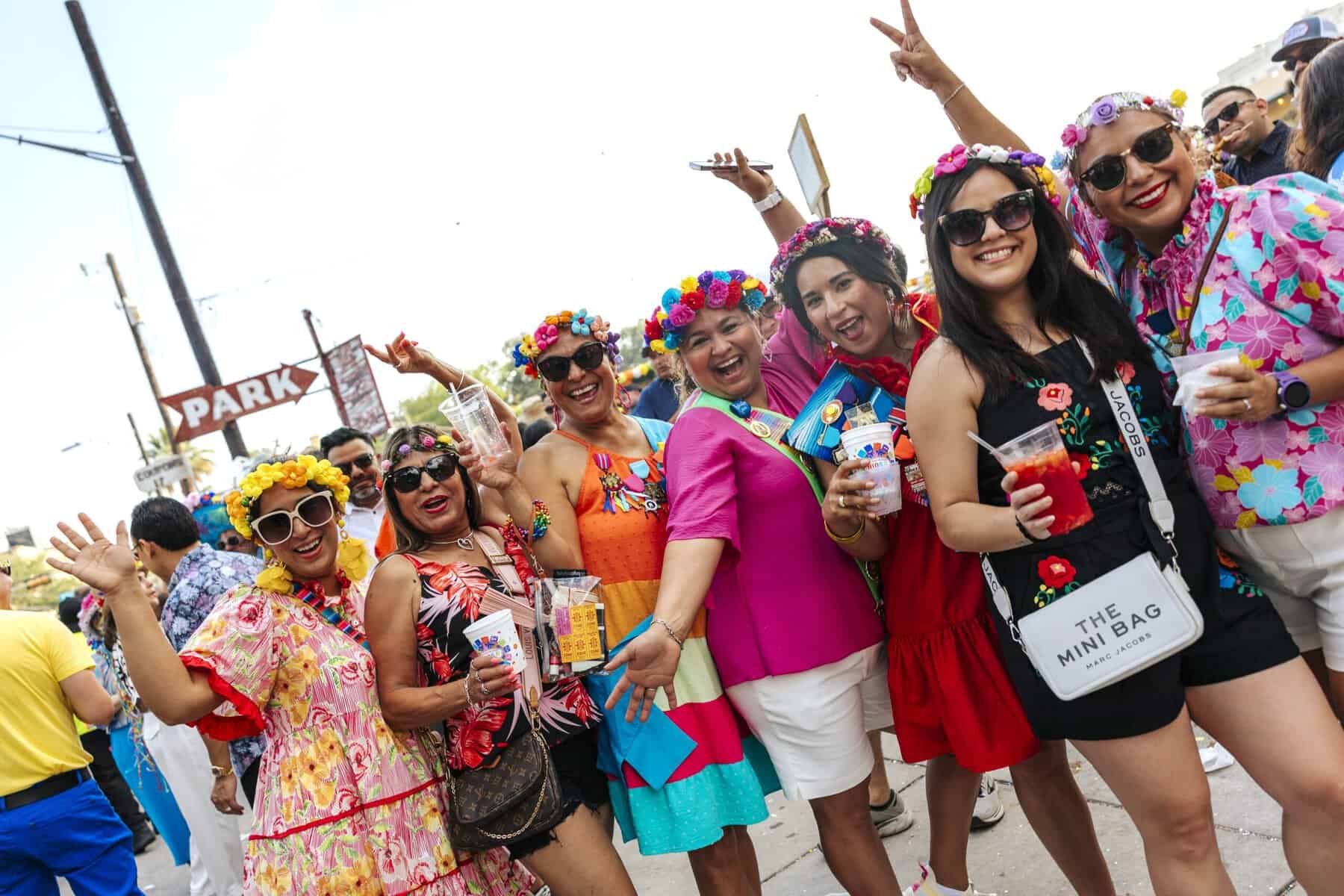
The next evening was A Night in Old San Antonio (NIOSA), a four-night event featuring more than 155 food and drink booths and multiple stages of live music across historic La Villita on the southern bank of the San Antonio River Walk. NIOSA stands out for its 14 culturally themed and color-coded areas, including the French Quarter, Irish Flats, Mexican Market and Sauerkraut Bend. As I wandered through the streets, the aroma of so many different cuisines filled the air, and I tried to sample as much as possible. The Crawfish Etouffee from the French Quarter was a standout, and a close second was the Chicken on a Stick, a Fiesta staple featuring breaded fried chicken on a skewer with a pickled jalapeño.
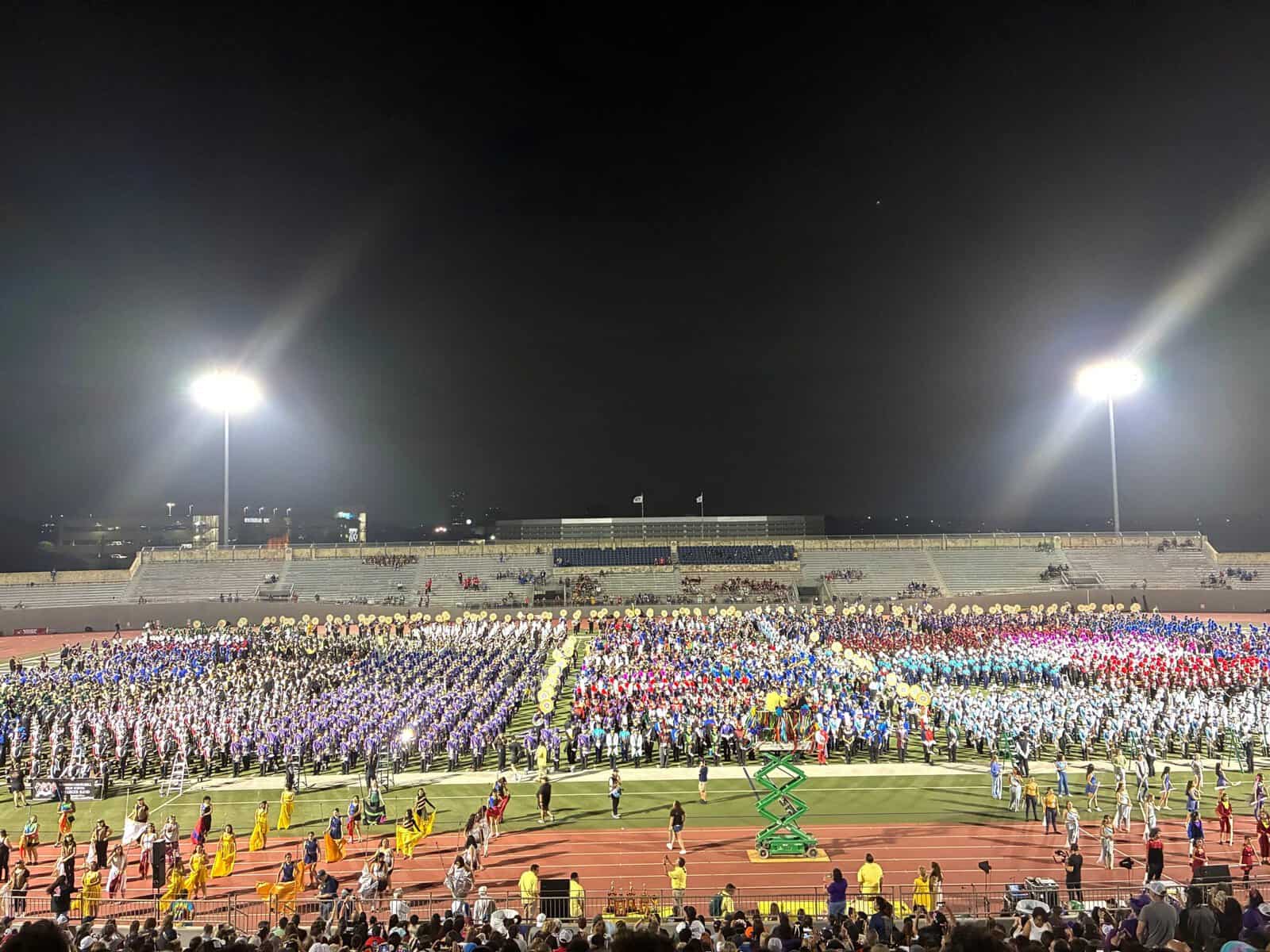
After NIOSA, I attended the 90th Battle of the Flowers Band Festival, which featured more than 4,000 students from San Antonio-area school districts. The students showed up with heart and school pride, putting their hard work and dedication on full display. The crowd especially responded to Pieper High School’s performance of “Running Up That Hill,” a nod to Stranger Things that included characters Vecna and Max. The evening closed with a mass performance bringing all 4,000 students together on the field.
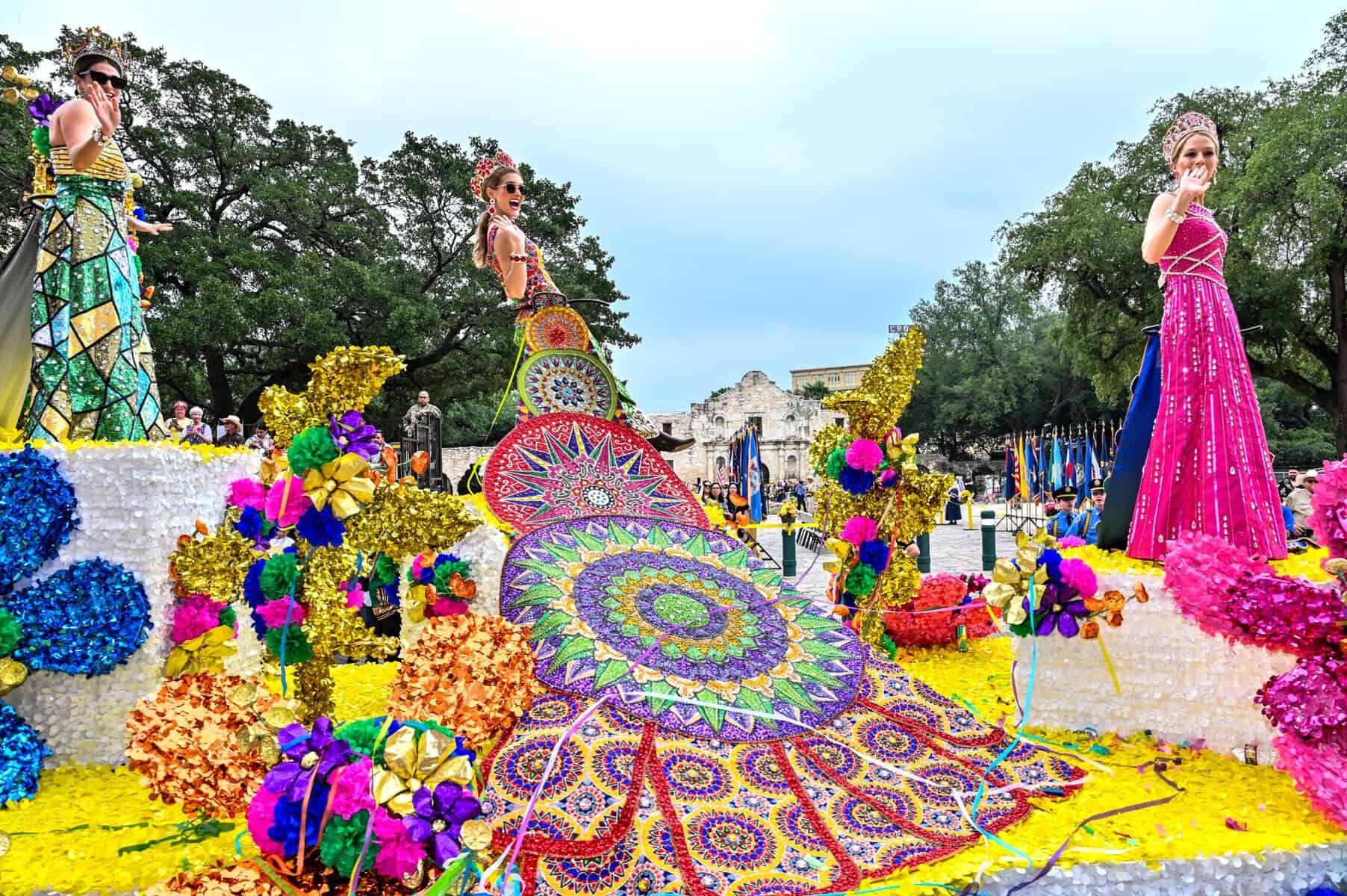
The following morning, the Battle of the Flowers Parade took place. This founding Fiesta event draws 350,000 spectators annually and is the largest parade in the United States produced entirely by women. It was a true spectacle, with colorful floats, antique cars, military participants, enormous helium balloons and horse-drawn carriages moving along the 3.2-mile route. The parade also reflected the cultural diversity of San Antonio, with participants including the Scottish Society of San Antonio and the Bexar County Czech Heritage Society.
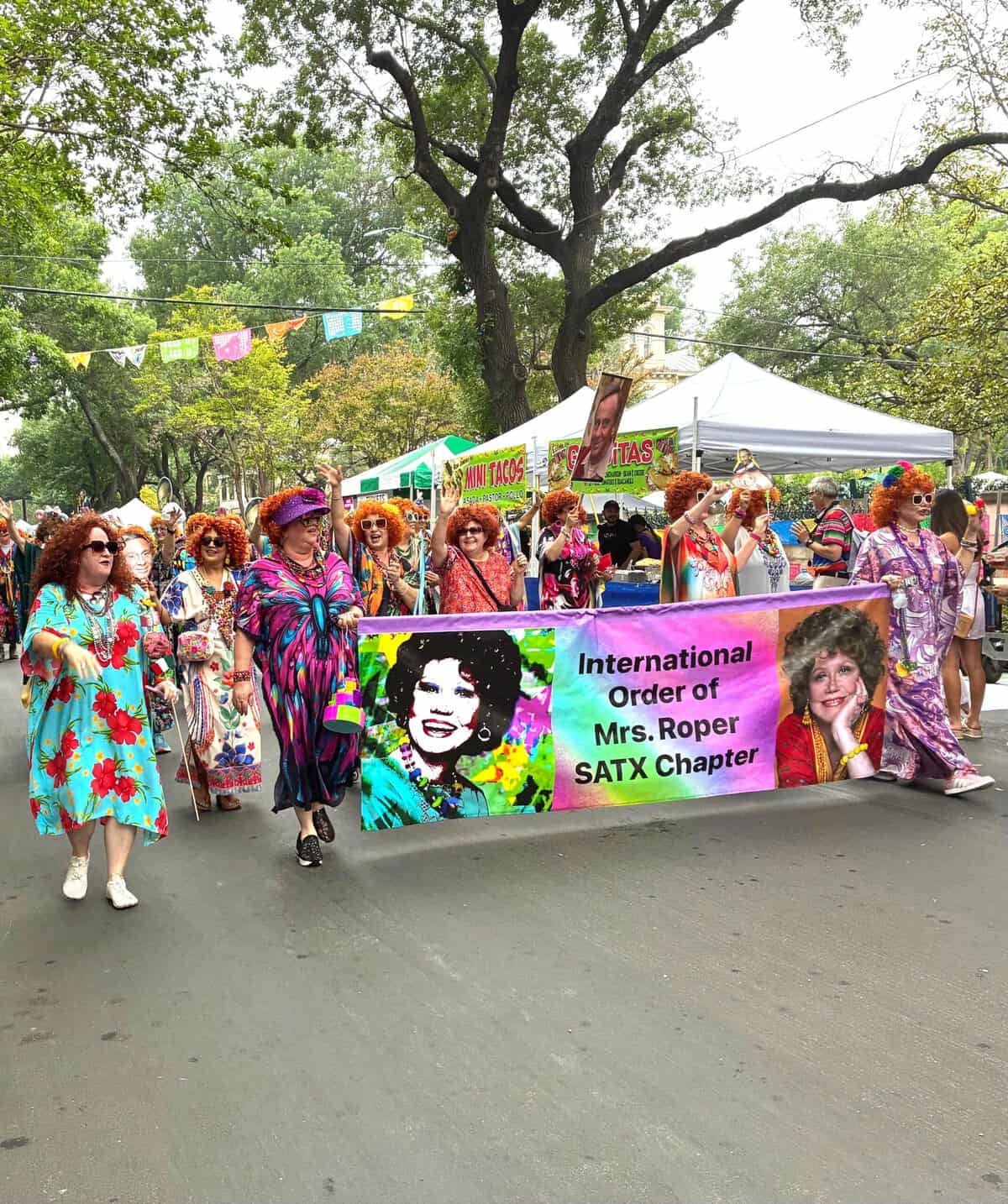
The King William Parade kicked off at 9 a.m. on Saturday, April 25, in the historic King William District just south of downtown San Antonio. The King William Fair was the highlight of Fiesta for me. I had a front-row seat to the parade and was struck by the energy of the participants, who seemed genuinely happy to be there. One of the most memorable groups in the lineup was the SATX Chapter of the International Order of Mrs. Roper, whose members wore red wigs, oversized sunglasses and floral dresses. The neighborhood’s stately historic homes created a beautiful backdrop for the parade, while food booths and vendors selling jewelry, soap and artwork filled the streets.
A Floral Tribute to the Alamo
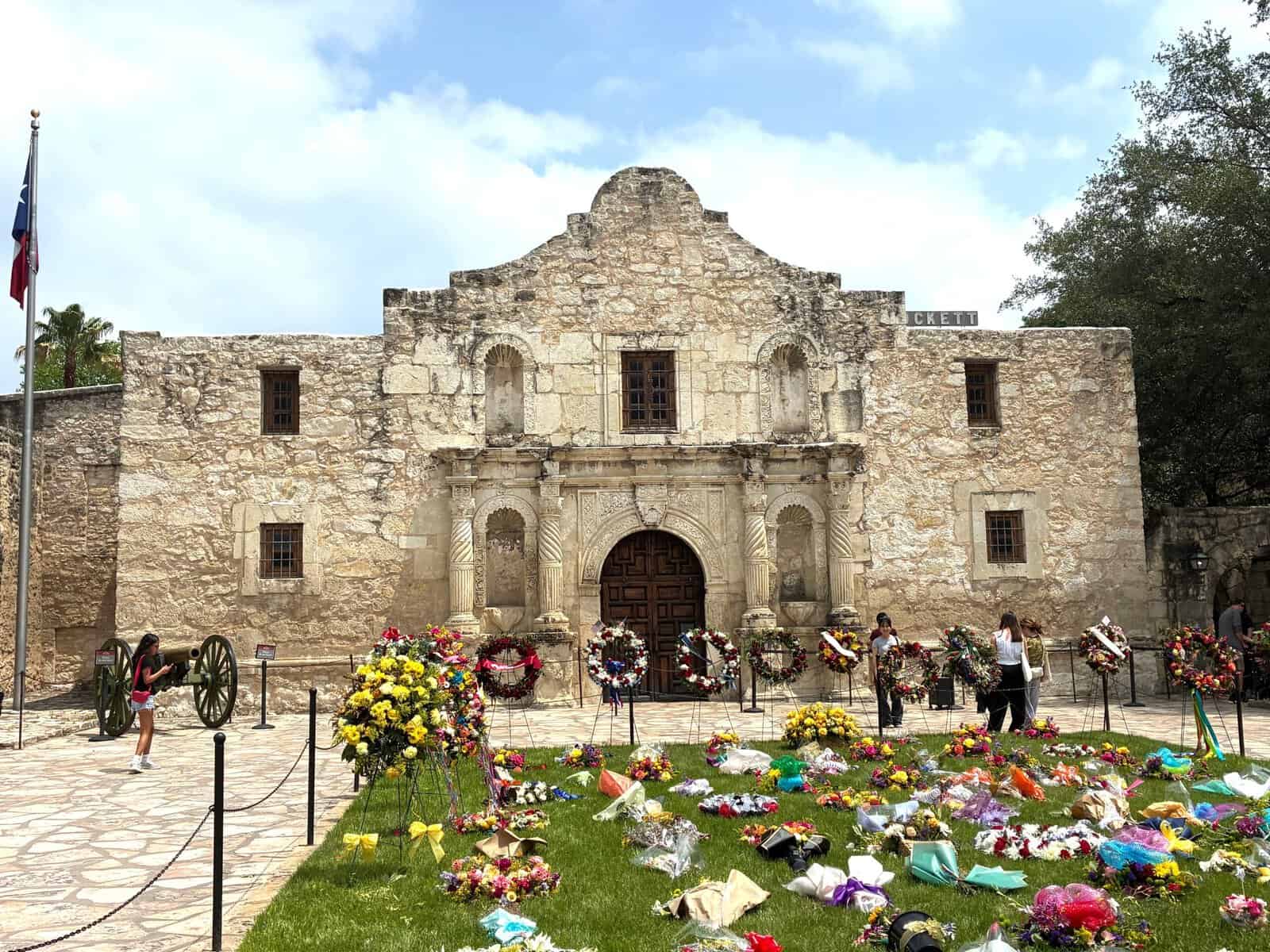
During Fiesta, flowers are laid in front of the Alamo as part of a tradition rooted in the original 1891 Battle of Flowers Parade. What began as flower-throwing in honor of those who died at the Alamo and the Battle of San Jacinto has evolved into the laying of wreaths and floral tributes at the Alamo. Seeing the flowers in person was a solemn reminder of what happened there nearly 200 years ago and of the lives lost.
Across from the historic site, the future Alamo Visitor Center and Museum is also taking shape. Taylor Sheridan is set to create a Battle of the Alamo film for the museum’s new 4D theater, offering visitors a new way to engage with the story of the site and its enduring place in Texas history.
Where to Eat
San Antonio has a diverse food scene and is worth experiencing during moments away from Fiesta festivities.
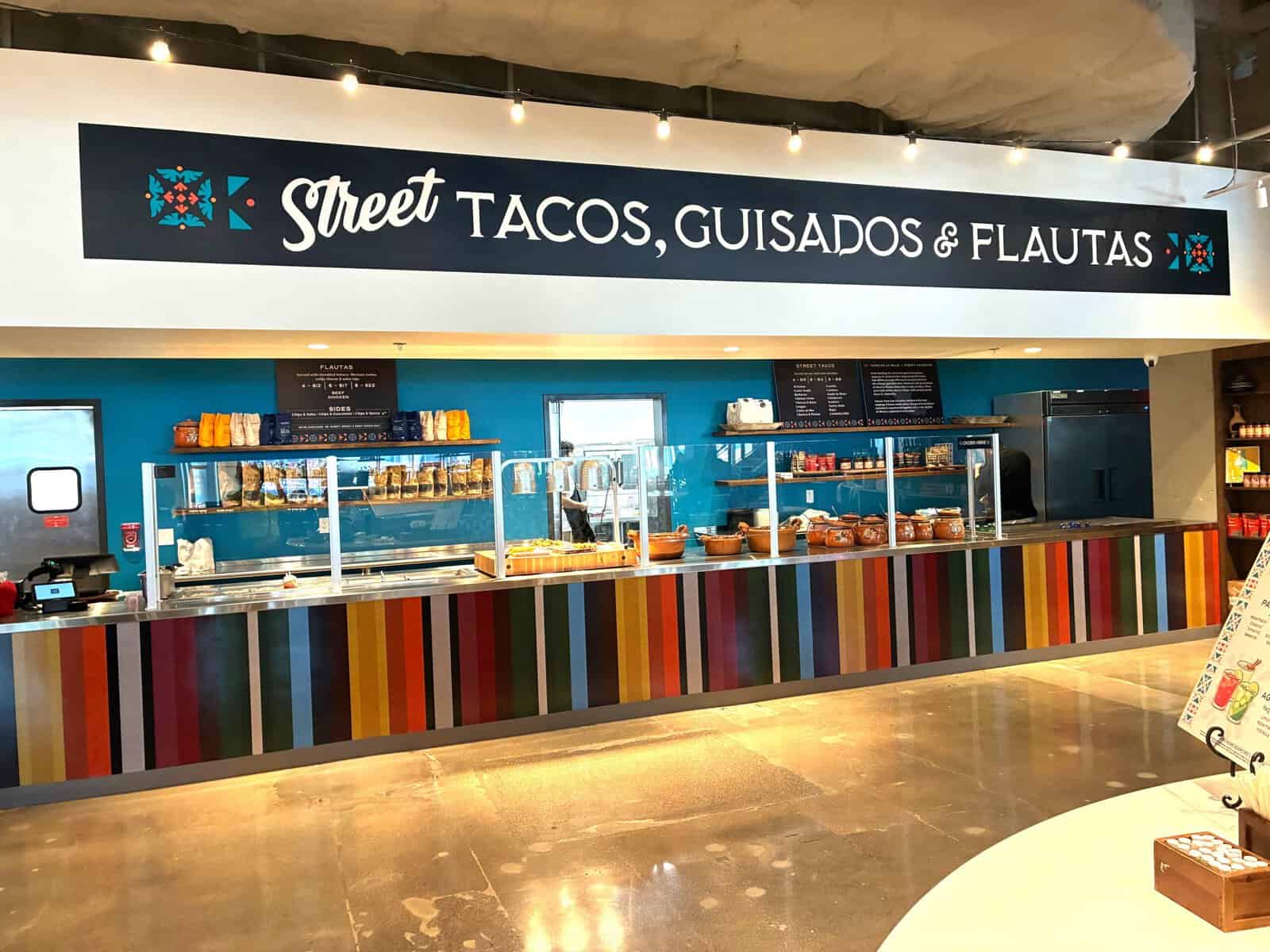
Mexico Ceaty is a recently-opened Mexican-inspired food hall at the Shops at Rivercenter in downtown San Antonio. I had the street tacos and a limonada agua fresca, and both were the perfect choice on an empty stomach and a hot day. The food hall concept feels innovative, and its mix of convenience, atmosphere and variety seems poised for success.
Beethoven Männerchor on Pereida Street offered a taste of old-world German tradition just a short walk from the King William District. I ordered the Reuben sandwich, which was prepared right in front of me in the food line, and it tasted authentic. I do not normally like sauerkraut, but here it was cooked to perfection.
For some fantastic birria tacos, head to Birria Barrio on S. Alamo Street. The tacos were crispy, while the meat was tender and perfectly seasoned. The horchata agua fresca offered just the right balance of sweetness against the spice of the meal.
The Pearl
While in the Alamo City, a trip to the Pearl is a must. The Pearl began as the site of the Pearl Brewery, which was established in 1883 along the San Antonio River. For decades, the brewery was a major industrial landmark and employer in the city before closing in 2001. In the years that followed, the area was redeveloped into the mixed-use Pearl District known today, with restaurants, shops, residences, green space and the Culinary Institute of America’s San Antonio campus.
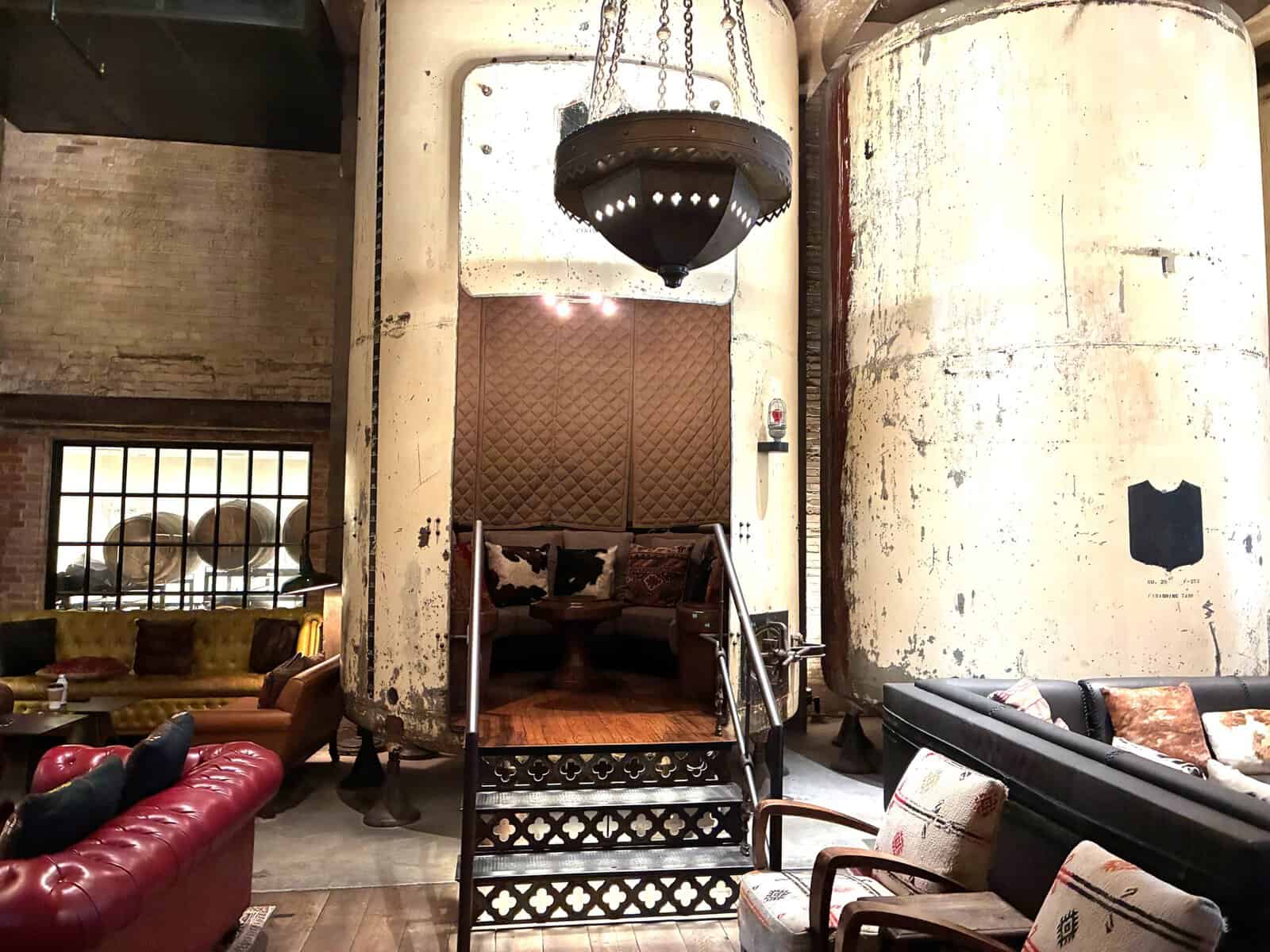
I stepped inside Hotel Emma, which is housed in the former brewhouse of the old Pearl Brewery. The hotel retains an industrial character, but pairs it with a kind of rustic elegance that makes the space feel both grand and intimate. Inside, there is a library containing more than 3,000 books. The bar, Sternewirth, has an atmosphere that feels singular, with a 25-foot vaulted ceiling looming over cozy furniture.
While strolling around the district, I stopped at Bakery Lorraine. This small artisanal bakery sells pastries, macarons, coffee and savory breakfast items. I had the Quiche Lorraine, a custard-style quiche with bacon, caramelized onions and Gruyère cheese.
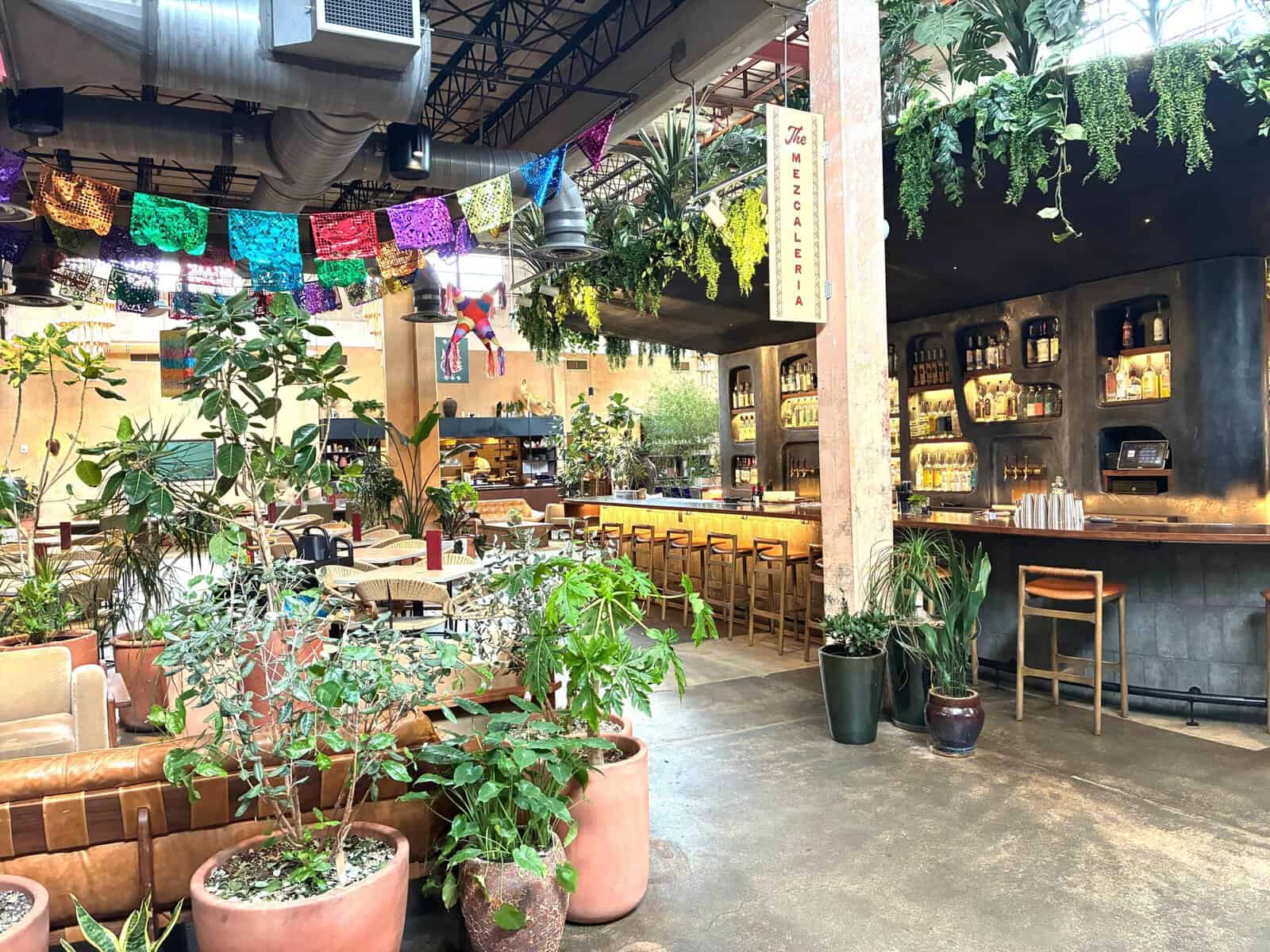
While in the Pearl, be sure to check out Pullman Market. This market takes the grocery shopping experience to another level. The concept challenges the idea of buying food as purely transactional and reimagines it as a space where people connect through locally sourced food and personal meaning. While there, I participated in a guacamole-making class and a mezcal tasting. Inside the market is Mezquite, a restaurant celebrating the flavors of the Sonora region. The meal was one of the highlights of the trip. The tortillas were served with butter and honey, and the Ceviche Negro, made with yellowfin tuna and charred fruit, was especially memorable.
Relax and Recharge
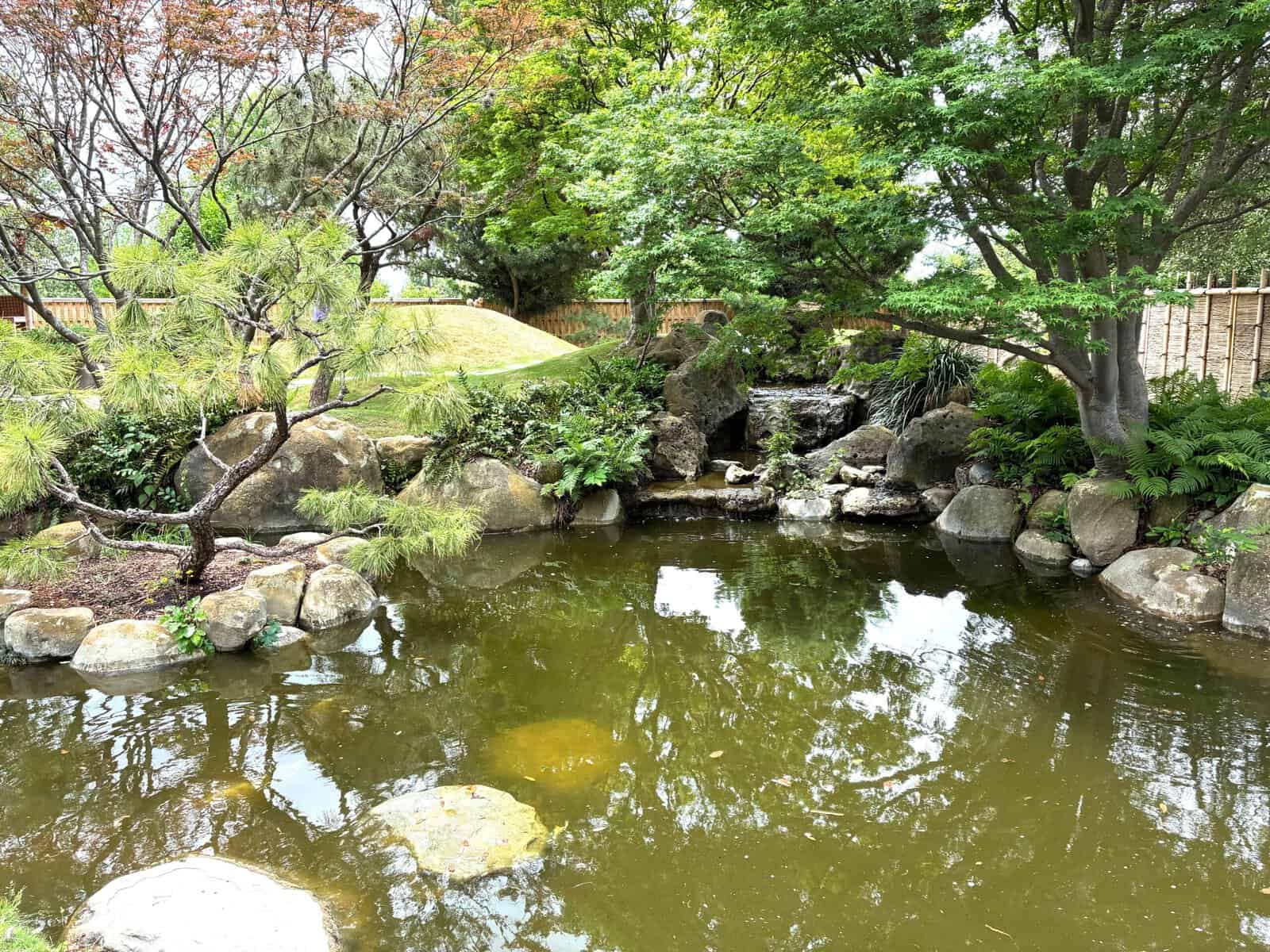
In the midst of the Fiesta fun, there were moments when I needed to ground myself. A great way to do that was by visiting the San Antonio Botanical Garden using my CityPASS. The stroll through the gardens and trails provided a much-needed escape from the noise. Kumamoto En, a Japanese garden with koi ponds and stone paths, was a highlight of my visit.
All the walking made me want to decompress with a massage. After finding that nearby hotel spas were booked, I stumbled across Casa Dōson online, a massage boutique just a short walk from the Westin on W. Travis Street. This independent boutique felt like a San Antonio gem. The owners were welcoming, and I learned they make all of their massage oils in-house. The massage left me feeling rejuvenated, refreshed and ready to return to Fiesta activities.
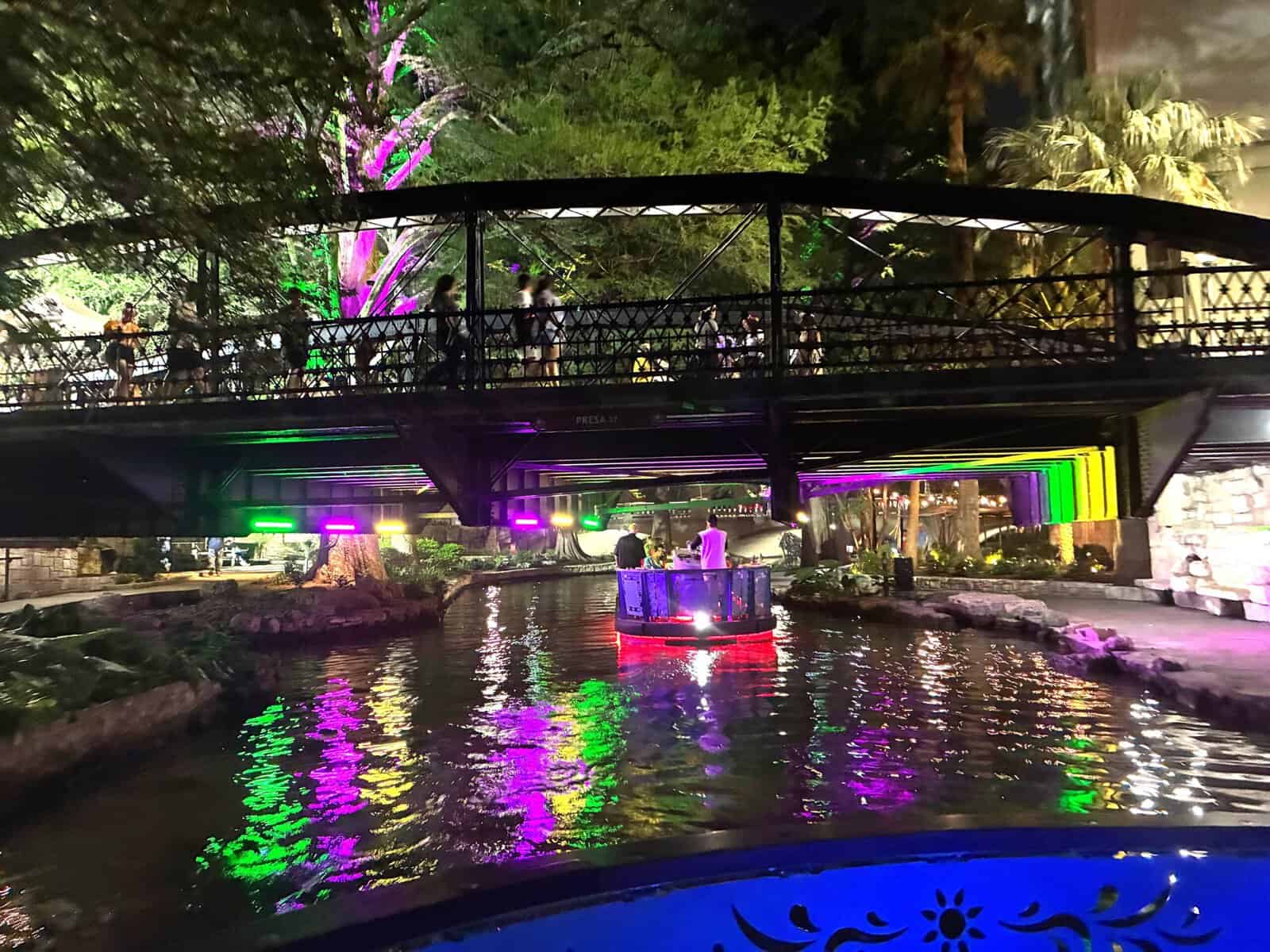
The GO RIO dinner cruise was a great way to unwind after a long day. It offered a relaxed setting to enjoy conversation and a good meal while floating along the San Antonio River Walk. The breeze in the night air was a welcome contrast to the heat of the day. The River Walk is especially striking after dark, when its lights make the city come alive.
Save the Date
After experiencing Fiesta firsthand, I would gladly return next year, when the celebration runs April 15–25. Seeing the entire city come together to honor its history, culture and heritage was an experience I will not forget. One common theme that emerged in conversations with locals was that what makes the Alamo City special is its people, their friendliness and their deep love for San Antonio.
Tips for Fiesta
- Bring a hat and sunscreen. San Antonio gets hot.
- Take a poncho or umbrella. It rained during a few days of Fiesta.
- Book your hotel a few months in advance. They fill up quickly.
- Anticipate traffic and road closures if you are driving or using Uber.
________________________________________________________________________________________________________________________________
Cover photo courtesy Visit San Antonio.
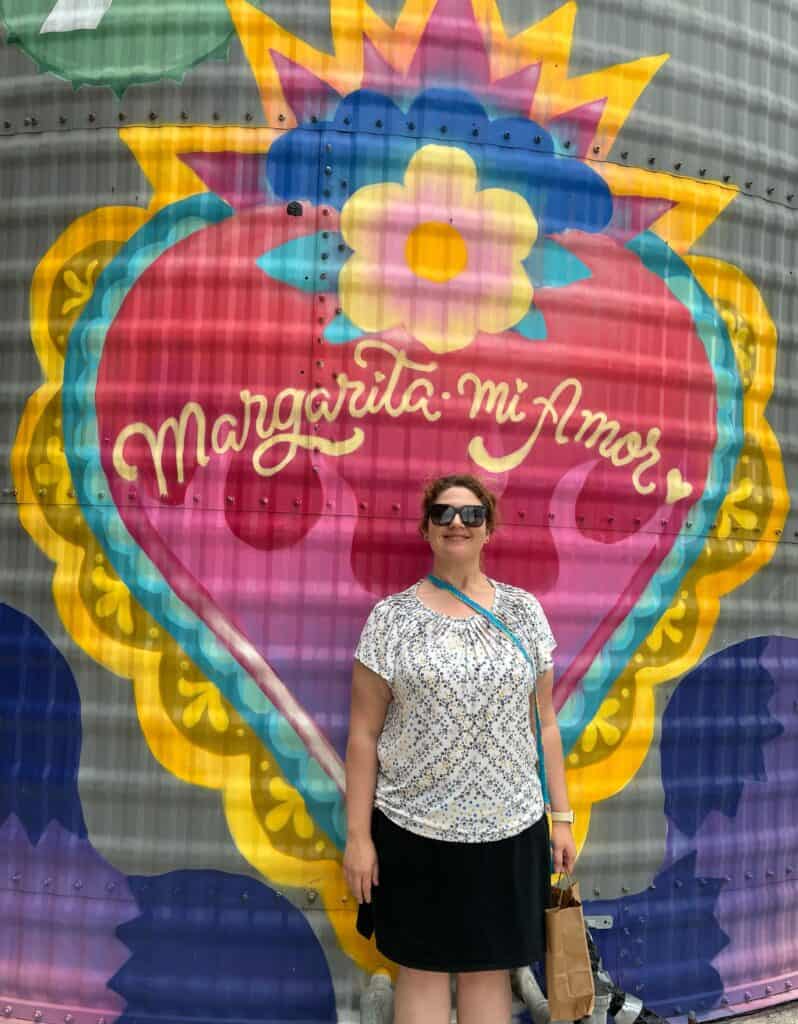
Sara Aguinaga is a dedicated massage therapist and editorial contributor at Texas Lifestyle Magazine. She loves indulging in spa treatments, exploring diverse cuisines and traveling.