


Share
Steeped in Spanish legacy, St. Augustine, Florida, offers travelers a living celebration of Hispanic culture.
Since 1968, the U.S. has celebrated Hispanic Heritage Month each fall, but in St. Augustine, the influence of Hispanic culture lives on year-round. Founded in 1565 by Spanish explorers, the city remains a living showcase of Hispanic history, architecture, and traditions.
Located on Florida’s northeast coast, about an hour south of Jacksonville International Airport, St. Augustine is easily accessible and makes a perfect destination to experience the Hispanic influence that helped shape America’s beginnings.
Where To Stay
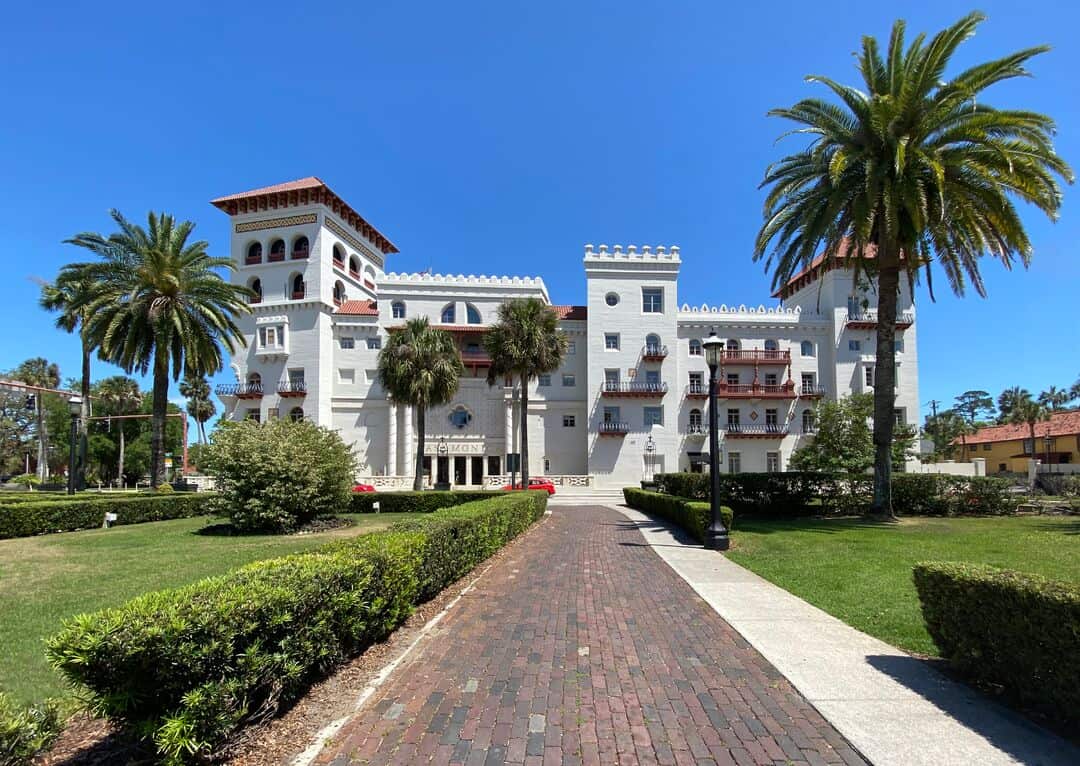
For a luxurious stay in St. Augustine, Casa Monica Resort & Spa offers the perfect blend of history, elegance and comfort. Built in 1888, this landmark hotel sits in the heart of the Historic District, surrounded by the city’s most celebrated attractions. Its Moorish Revival and Spanish Baroque architecture is striking, with arches, domes, intricate tile work, and serene courtyards that reflect the property’s timeless beauty.
Inside, the atmosphere continues with 138 guest rooms featuring Spanish-style furnishings and curated artwork, much of it available for purchase. Guests are greeted by friendly staff eager to share local recommendations, and the soft, spacious beds make every night restorative.
Dining at Cordova Coastal Chophouse & Bar brings together American, Asian, and Mediterranean influences, while a conveniently located Starbucks makes mornings simple. For ultimate relaxation, Poseidon Spa offers tailored treatments designed to refresh both body and mind.
Where To Eat
St. Augustine’s dining scene reflects its deep Hispanic heritage, with several must-visit spots serving authentic flavors:
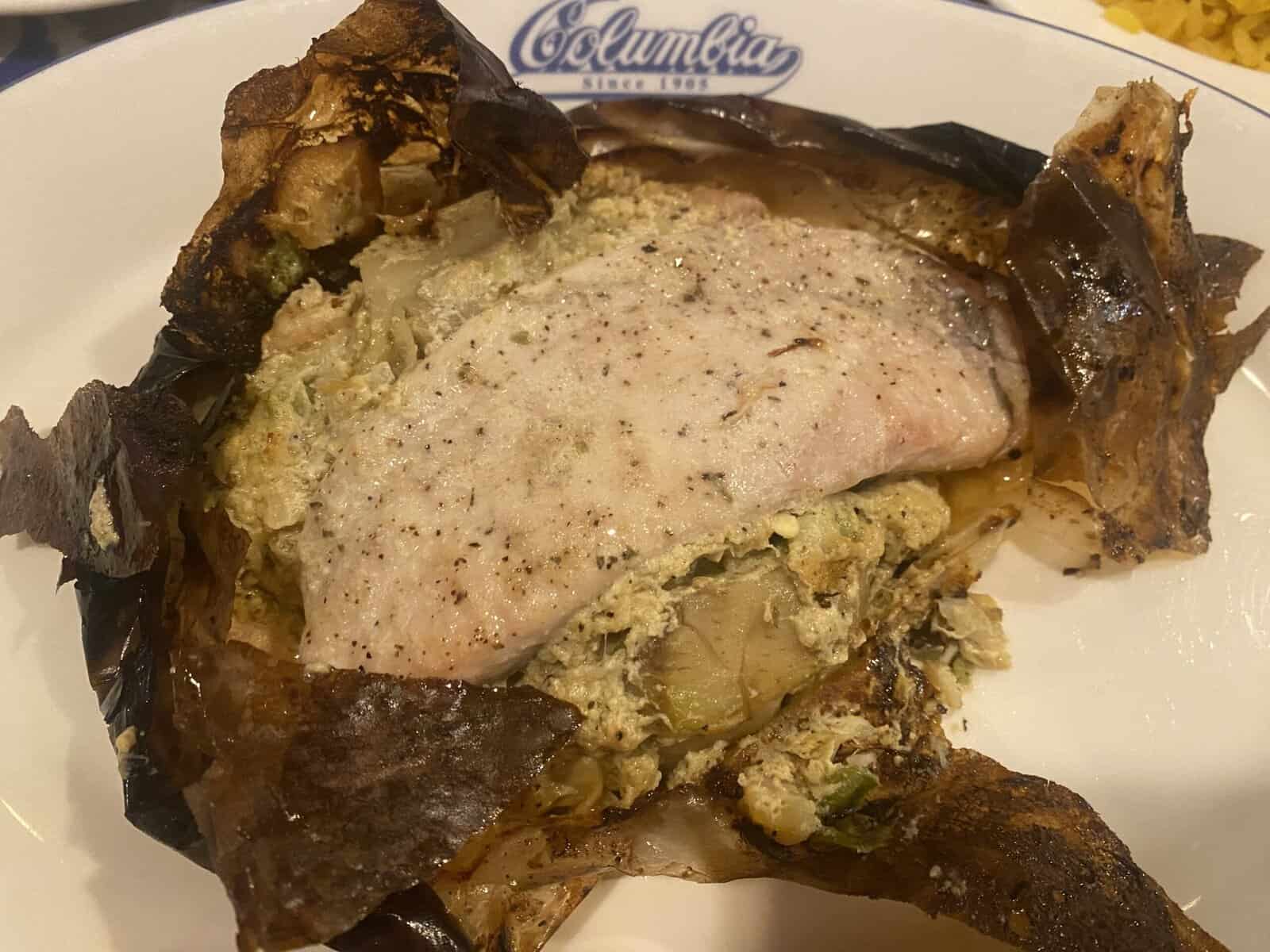
The Columbia – A landmark since 1905, this restaurant blends Spanish and Cuban traditions, from hand-painted tiles and fountains to signature dishes like Pompano en Papillot.
Casa Maya – An authentic Mexican restaurant in the historic district known for classic tacos, fajitas, and refreshing cocktails.
Paladar Cuban Eatery – A relaxed café on A1A South, serving pastelitos, empanadas, and strong Cuban coffee.
For those wanting a break from Hispanic cuisine, the city also offers plenty of variety:

PK’s Roosevelt Room – A chic brunch spot with exposed brick walls and favorites like Fried Chicken Biscuit & Gravy.
Lynda’s at the Ocean Club – Beachfront dining with brunch standouts such as the Pineapple Upside-Down Pancake.
Bea’s Fine Food + All Day Café – A health-conscious café offering grain bowls, gluten-free pizzas, and other locally sourced dishes.
Smokin D’s BarBQ – A rustic BBQ joint where meats are smoked for up to 15 hours and served with hearty sides.
La Cocina at the Cellar Upstairs – An elegant fine dining restaurant above San Sebastián Winery, featuring dishes like Seared Chilean Seabass and Almond Crusted Gambas.
The Main Attraction: Castillo De San Marcos National Monument
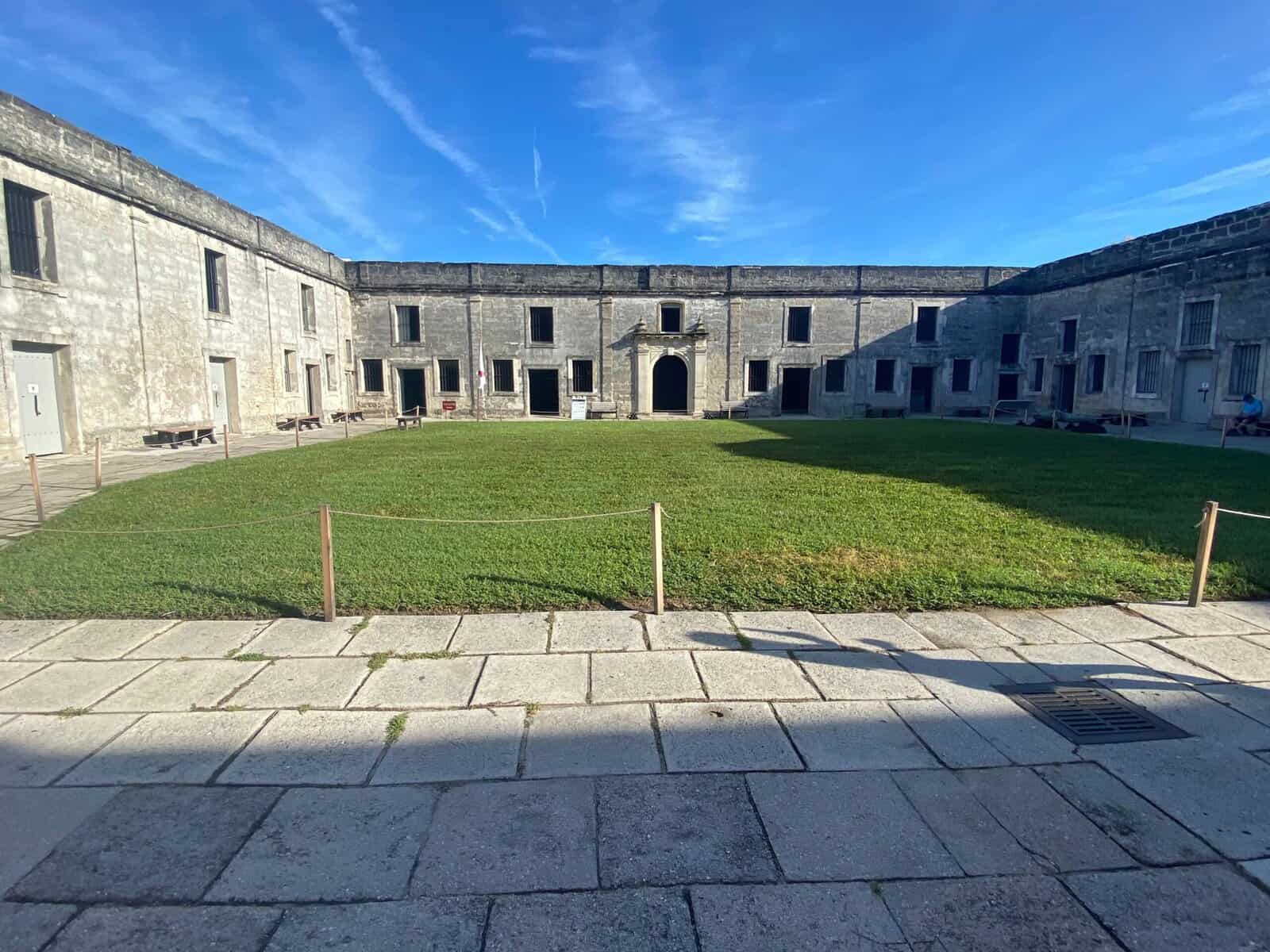
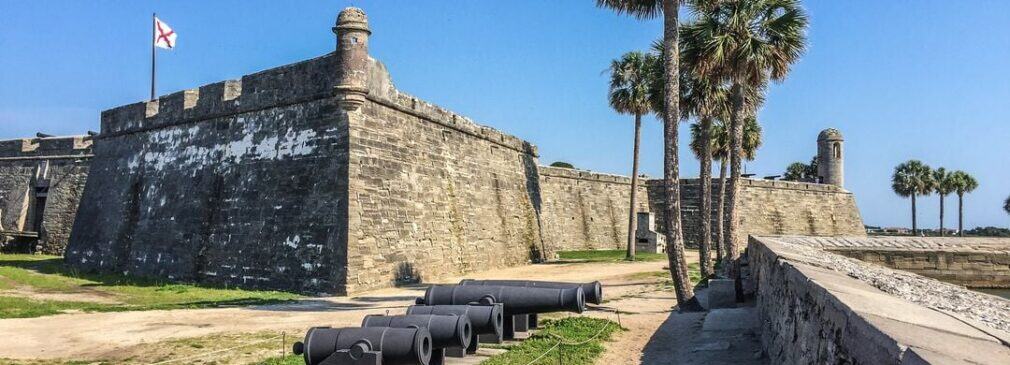
One doesn’t have to leave America to see a castle – one exists in Florida’s backyard. Known as the “crown jewel” of St. Augustine, the Castillo De San Marcos is the oldest and largest masonry fortress in the continental U.S. Completed in 1695, construction took 23 years.
Spain’s engineering brilliance is reflected in the fortress, composed of coquina, a soft, porous limestone made mostly of tiny shell fragments, which allowed it to withstand attacks and was resistant to fire. Today, visitors around the world come to see the castle and learn about its fascinating history. On special occasions, guests can observe cannon firings and other reenactments.
More Notable Forts
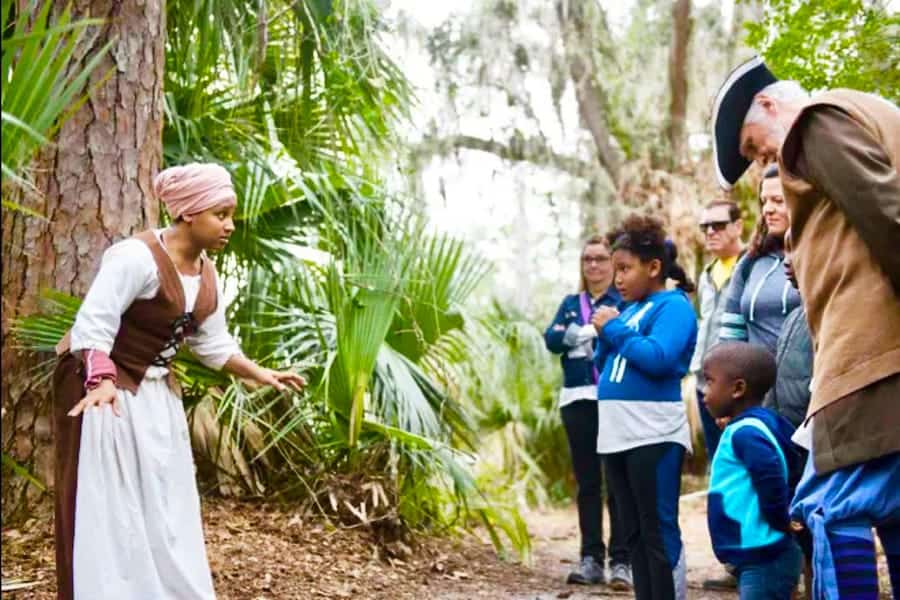
Beyond the Castillo, other sites highlight St. Augustine’s resilience and complex history. Fort Mose Historic State Park is the location of the first legally sanctioned free African settlement in the United States, founded in 1738 as a refuge for enslaved people fleeing the English colonies. A reconstructed fort now tells the story of this groundbreaking community.
About 30 minutes south, Fort Matanzas National Monument preserves both natural habitat and colonial history. Its name recalls the 1565 killing of French Huguenots by Spanish forces, while the fort itself was built in 1742 to guard the southern approach to St. Augustine. Today, visitors reach the small fortress by ferry and can explore the 300-acre protected site, home to a variety of coastal wildlife.
Discovering the Fountain of Youth
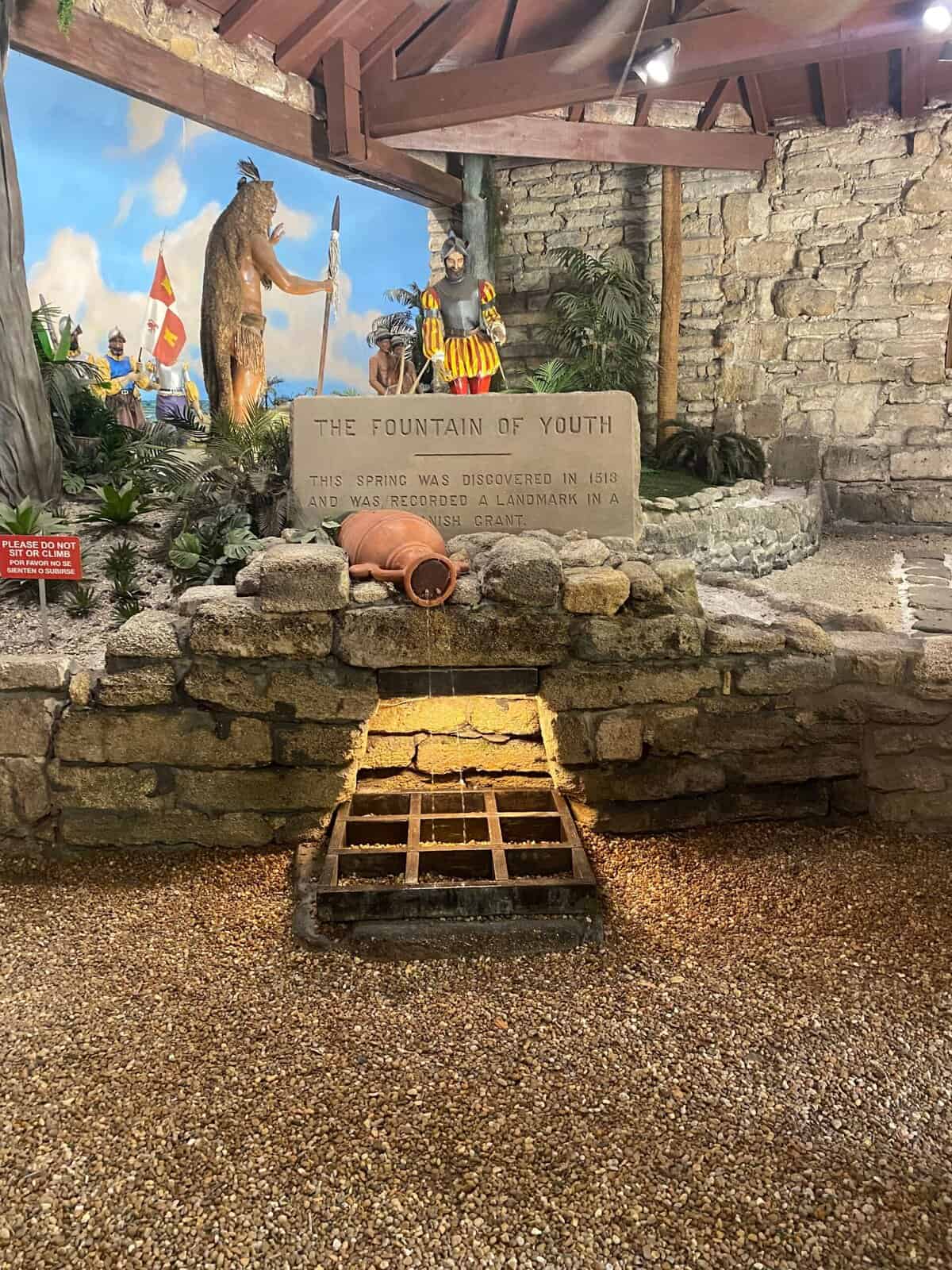
No visit to St. Augustine is complete without stepping into Ponce de Leon’s Fountain of Youth Archaeological Park, the legendary site where Colonial America began—decades before Plymouth Rock or Jamestown.
Spanning over 15 acres, there are plenty of exhibits to explore, such as the Spring House. A coquina building houses the original spring found in 17th-century records. Guests can sample the spring water and taste the secret to eternal youth.
Flagler’s Gilded Age Masterpiece
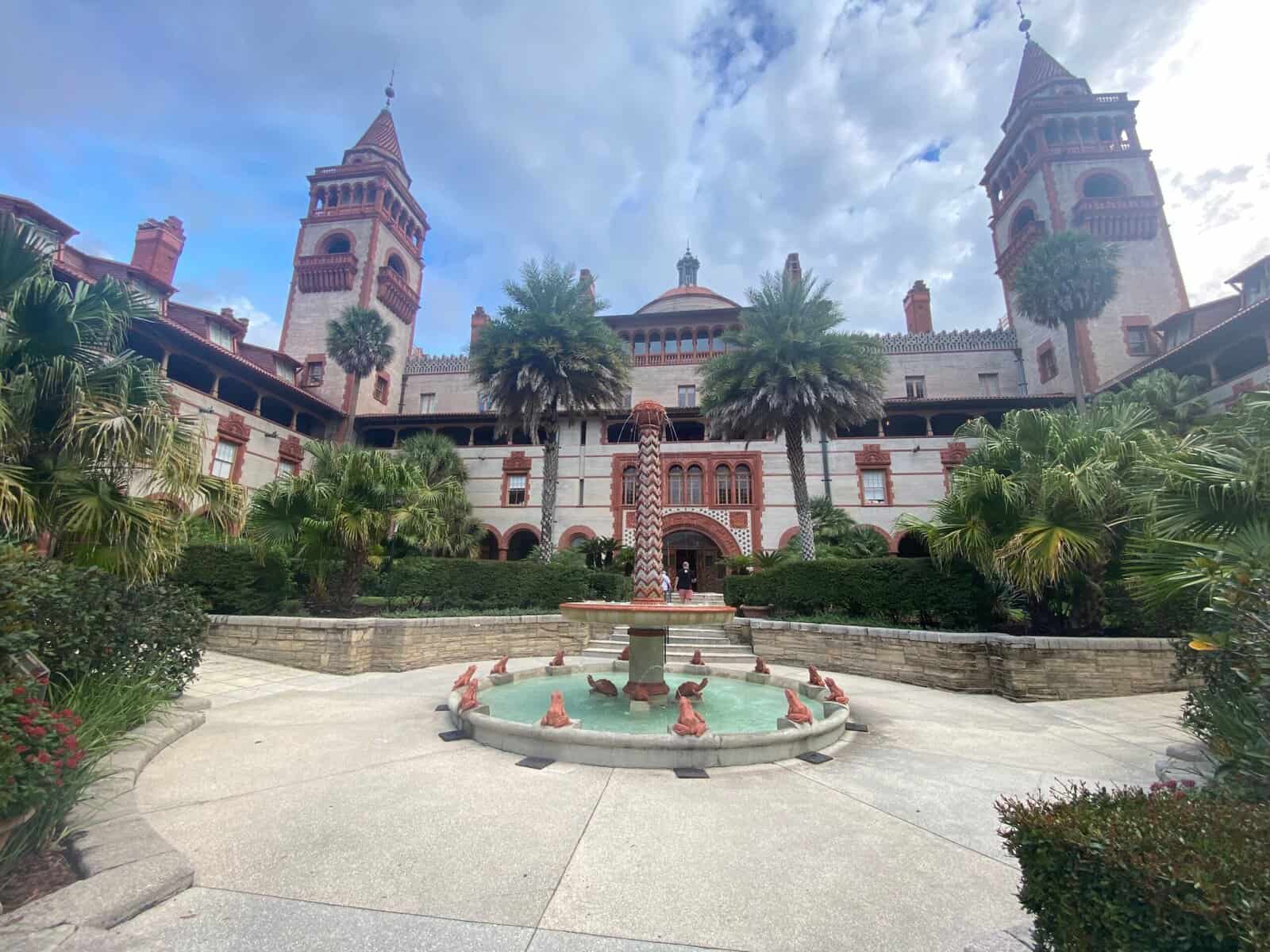
A five-minute walk from Casa Monica will lead you to Flagler College, a liberal arts institution. Students of the college provide tours of the fascinating history of this breathtaking structure, designed in the Spanish Renaissance Revival and built by Henry Flagler. Astonishingly, this impressive hotel only took 18 months to complete and opened its doors to the wealthy elite in 1885.
Tiffany glass windows surround the dining hall of the college, showcasing Henry’s vision of luxury. The courtyard fountain once aerated water for guests, while the towers above, which formerly held thousands of gallons, now chime each hour with a different instrumental song.
Villa Zorayda: A Legacy of Diversity
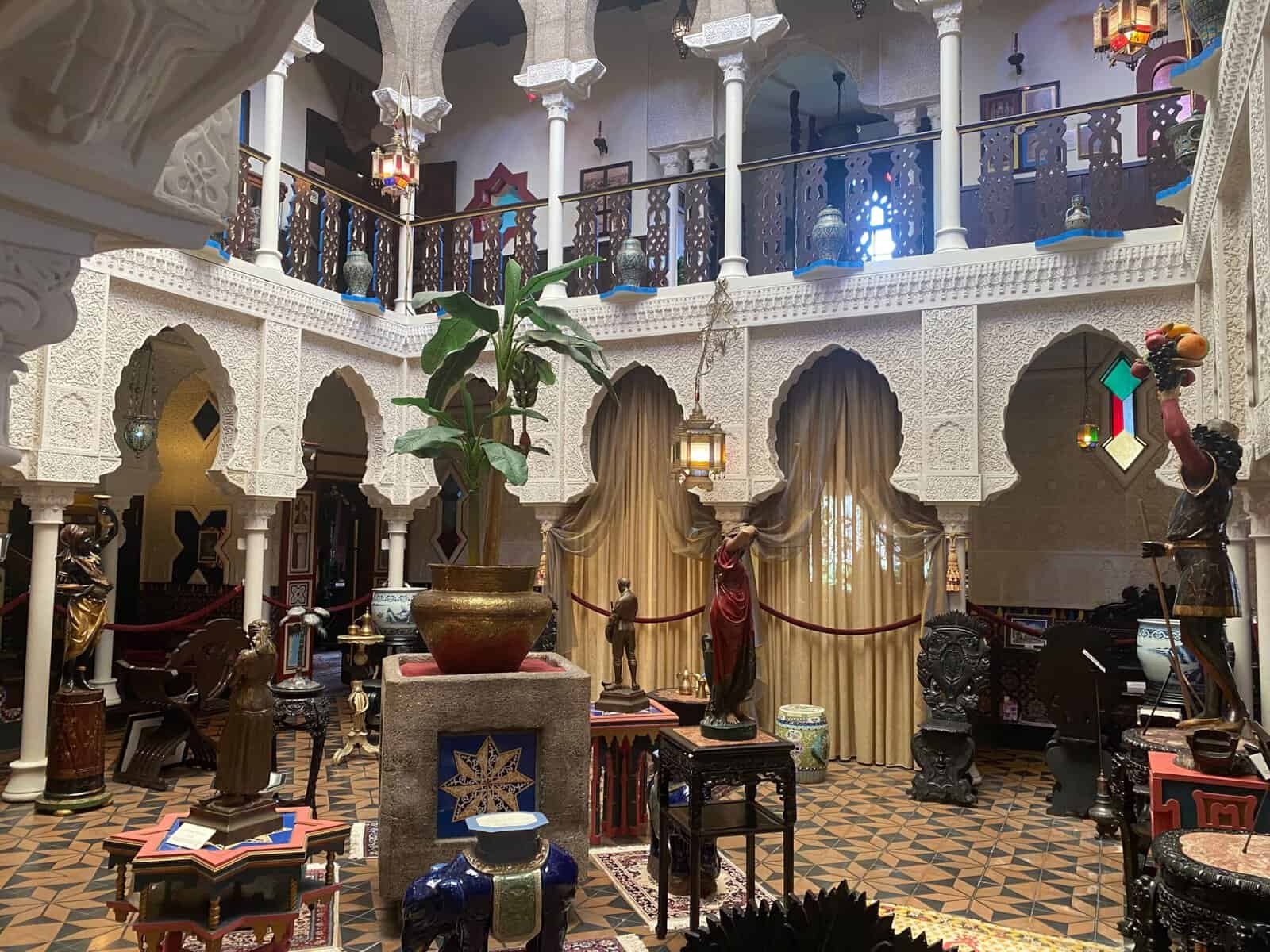
Directly across the street from Flagler College is the Villa Zorayda Museum. Built in 1883 by William in the Moorish Revival Architecture. After 20 years of residence, the villa was transformed into the Zorayda Club, where guests enjoyed dancing and socializing.
In 1913, after William’s death, his art collection and the building were sold to Abraham Mussellam, a Lebanese immigrant who had an oriental rug and Egyptian artifact collection of his own. Today, the Mussellam family still owns the structure, and visitors can tour this magnificent museum and view the rare collectibles, such as a 2,400-year-old Egyptian rug.
Exploring St. Augustine by Land and Sea
St. Augustine Land and Sea Tours gives visitors a flexible way to experience the city, whether by open-cabin electric cart, walking tour, or guided boat ride. Led by local guides, the tours cover everything from food and history to architecture. The electric carts offer respite from Florida’s sometimes unforgiving humidity.
One of their most popular options is the Moonlit Mysteries: Haunted Mystery Boat Tour. This 75-minute evening cruise drifts along Matanzas Bay, where guides with a flair for storytelling share eerie tales of the city’s darker past. Against the backdrop of the Castillo de San Marcos and the St. Augustine Lighthouse, guests hear chilling accounts that contrast the bay’s serene beauty with centuries of haunting history.
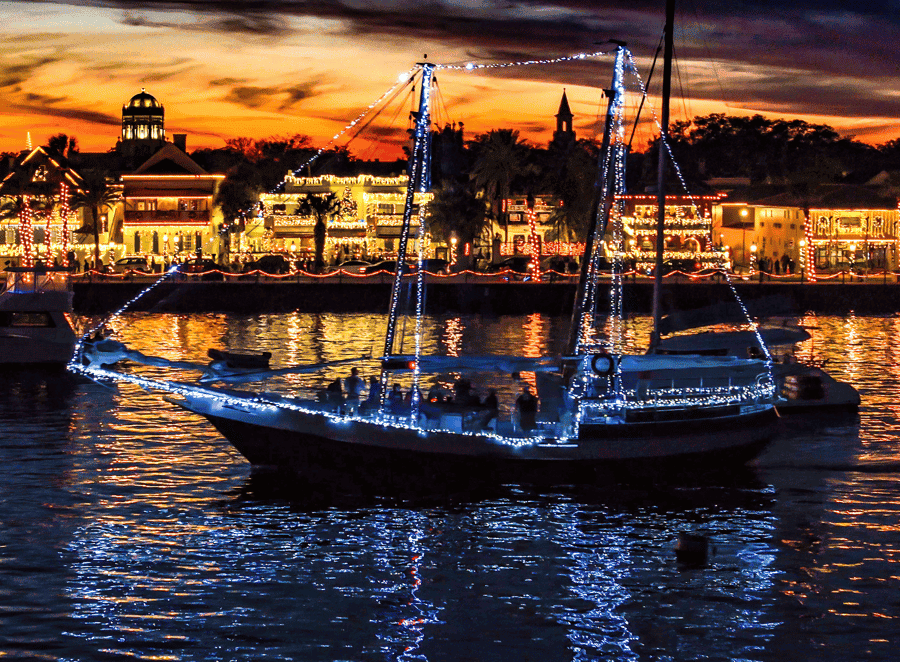
Sailing aboard the Schooner Freedom is another memorable way to experience St. Augustine. As the city’s only tall ship, this 76-foot topsail schooner departs daily from the City Marina for daytime and sunset cruises, offering sweeping views of the historic skyline from the water.
Mission Nombre de Dios and the Shrine of Our Lady of La Leche
Mission Nombre de Dios marks the spot where the Catholic faith first took root in the United States. In 1565, Father Francisco López celebrated the first parish Mass here after the landing of Pedro Menéndez de Avilés, and by 1587, the mission was formally established by Franciscan missionaries. The devotion to Our Lady of La Leche, begun in the 1620s, remains the nation’s oldest Marian devotion and continues to draw visitors seeking peace, protection, and family blessings.
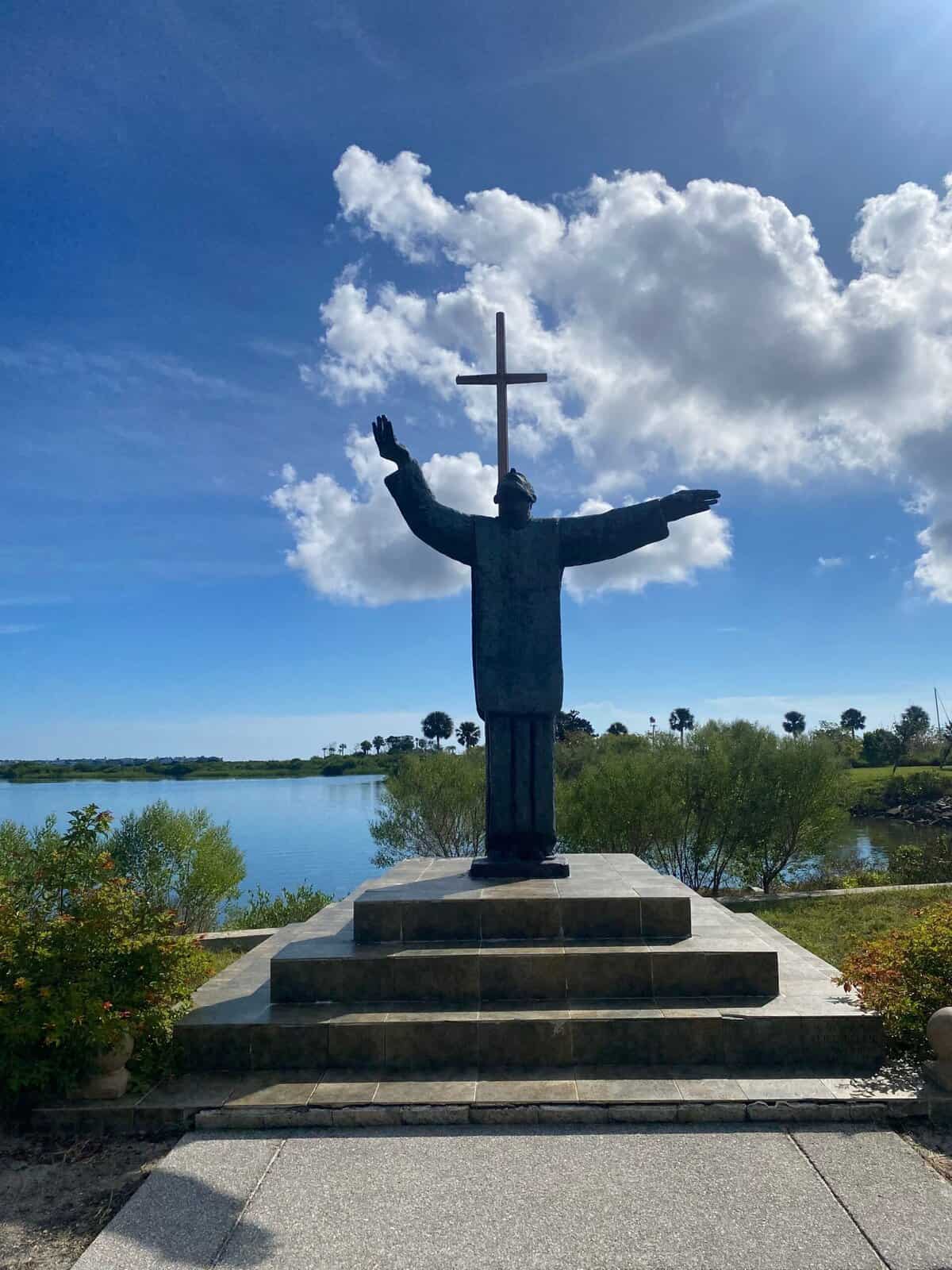
Today, the mission grounds offer both history and tranquility. The 208-foot Great Cross rises above the Matanzas River, while chapels, gardens, and shrines invite moments of serenity and reflection. For travelers, it’s not only a historic site but also a place of grounding and spiritual renewal.
The Cathedral Basilica of St. Augustine
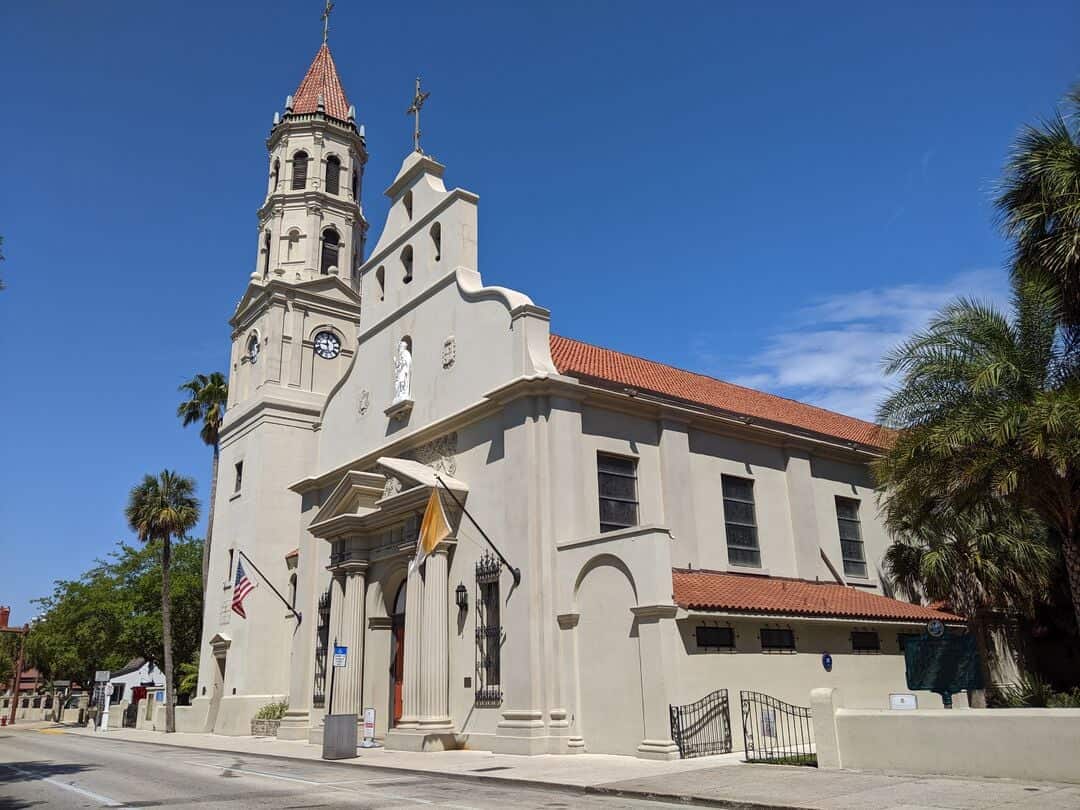
First built in 1797 in the Spanish Renaissance design, the Cathedral Basilica of St. Augustine is the nation’s first Catholic parish. After a fire in 1887, Henry Flagler helped rebuild the church and enhanced it with a six-story bell tower, making it a defining landmark of the historic district. Inside, visitors can admire centuries of faith and artistry through murals, stained glass, and the glow of handcrafted details, each telling the story of St. Augustine’s Catholic presence.
St. Augustine Lighthouse & Maritime Museum
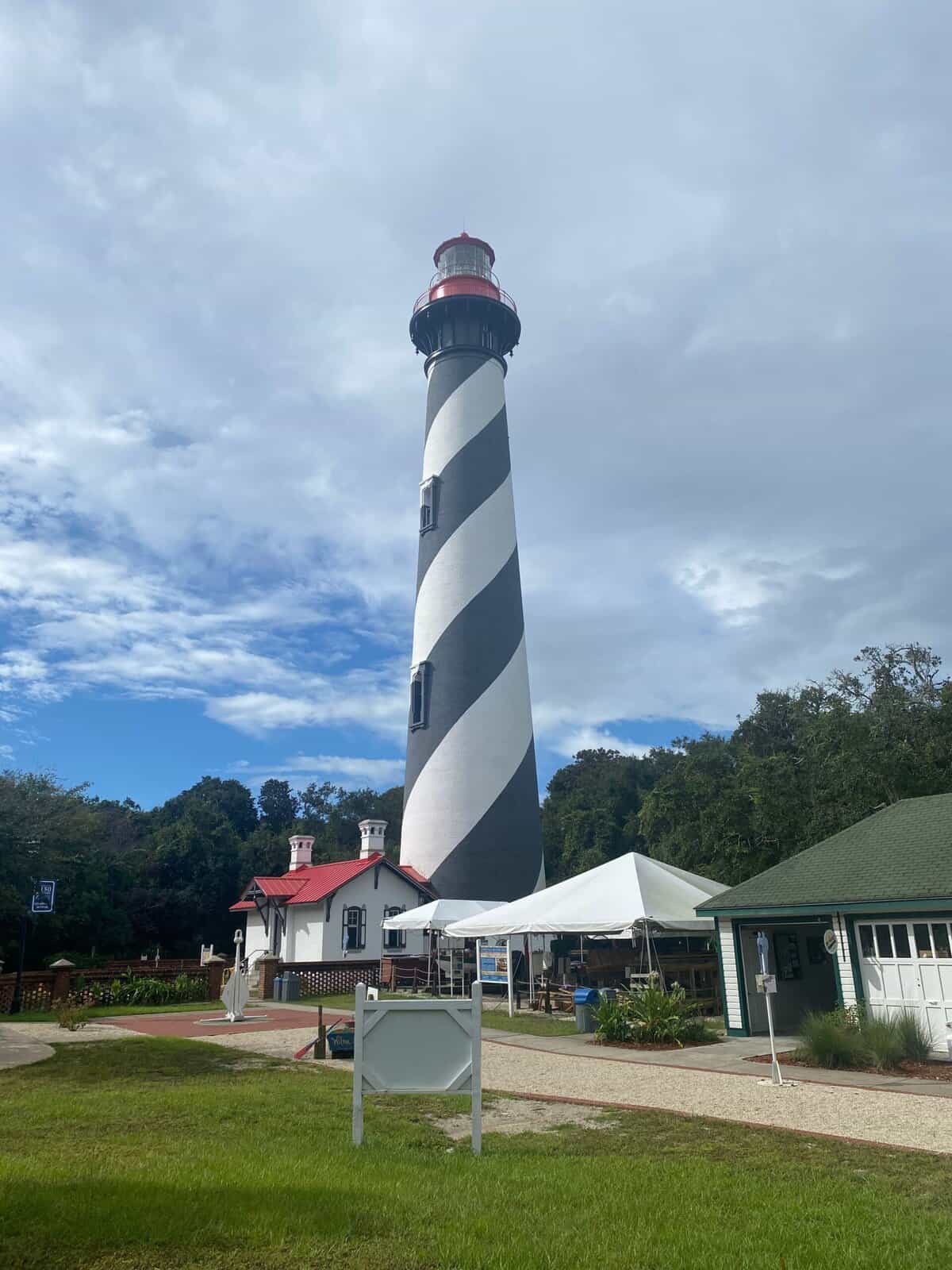
Climb 219 steps to the top of the 165-foot St. Augustine Lighthouse for a sweeping view of the city and beaches. Exhibits inside the tower and in the restored keepers’ house trace St. Augustine’s maritime past, from shipwreck discoveries to World War II stories and the daily lives of lighthouse keepers.
Beyond the museum, the Maritime Hammock Nature Area invites a scenic stroll surrounded by trees and plants. Families appreciate the Shipyard Playground, stationary playboats, and the hands-on Maritime Education Center with puppets, viewfinders and other kid-friendly activities.
St. Augustine Distillery
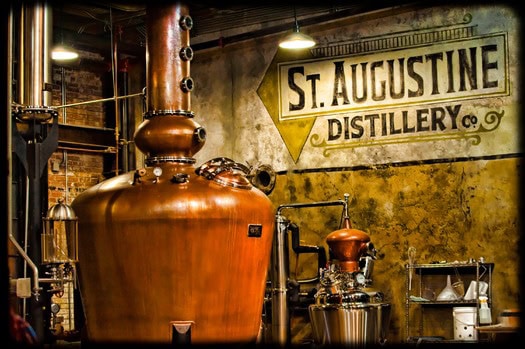
Set inside Florida’s oldest ice plant, built in 1917, the St. Augustine Distillery is the most visited craft distillery in the country. Founded by 20 local families, it produces award-winning bourbon, rum, gin, and vodka, and welcomes guests with complimentary tastings. Visitors can explore on a self-guided tour or opt for a premium guided experience that goes deeper into the distilling process.
The distillery also sells its own mixers, including the Florida Mule Mix—a popular favorite made with cane sugar, ginger root, and a dash of cayenne—crafted to pair perfectly with Florida Cane Vodka.
A Celebration Beyond the Season
In St. Augustine, Hispanic heritage isn’t confined to a single month—it can be celebrated all year long. Plan your stay and experience a city where history, beauty, and tradition radiate through every street. St. Augustine offers a meaningful glimpse into the Hispanic roots that shaped early America, creating a memorable experience for all who visit.
_____________________________________________________________________________________________________________
Cover photo Cover photo courtesy St. Augustine, Ponte Vedra & The Beaches VCB
Sara Aguinaga is a dedicated massage therapist and editorial contributor at Texas Lifestyle Magazine. She loves indulging in spa treatments, exploring diverse cuisines and traveling.