

Share
How Service Dogs Are Helping Veterans Reclaim Sleep, Purpose, and Life
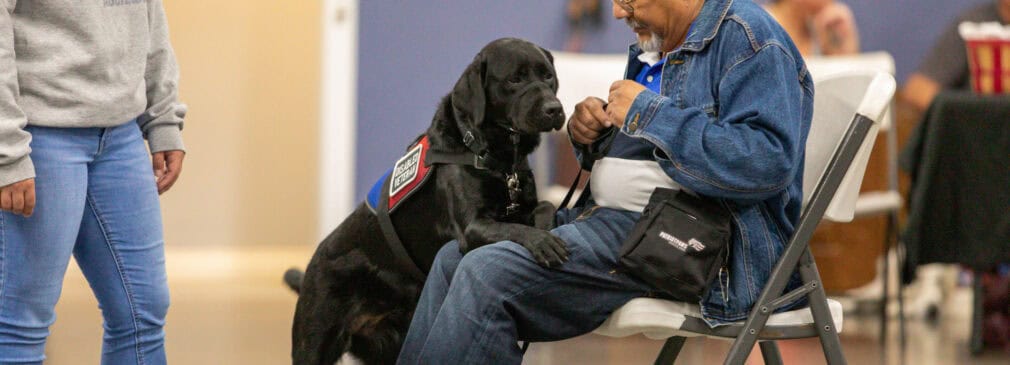
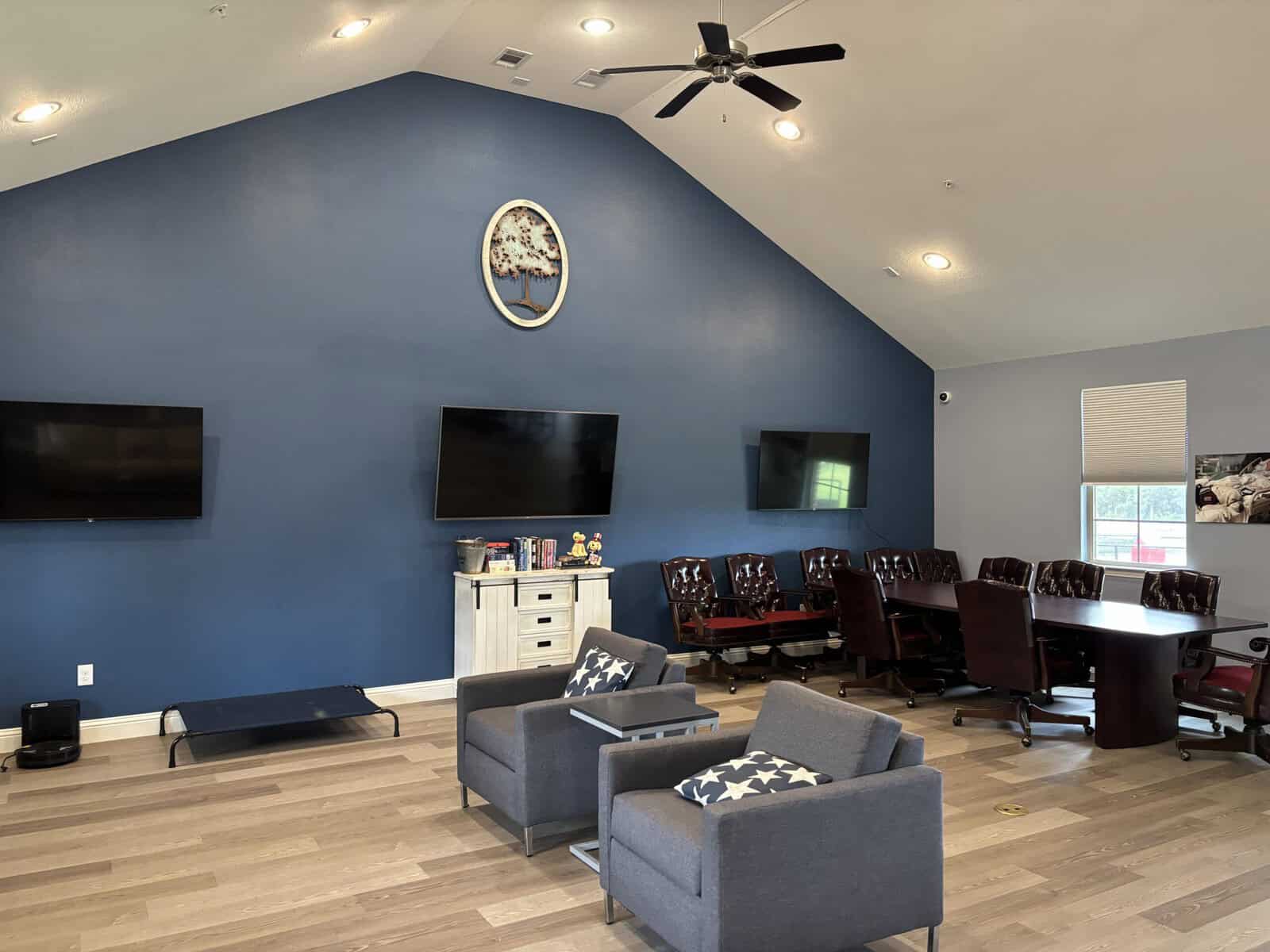
“PTSD is a squatter,” Wendy said as we sat down inside the break room of Patriot PAWS’s six-acre facility. I’ve served in the Marine Corps for 20 years and have never heard it described so painfully, truthfully, and simply. “You don’t voluntarily have PTSD,” she said. “It’s an adverse possession. So, with a partner,” who I observed was Frankie, sitting dutifully by her side, “I can take that dinner plate that PTSD placed at my table, and throw it away.”
The retired Army veteran and Garland Police officer wasn’t initially looking for a service dog, but rather for a new purpose after retirement. After many sleepless nights, she realized how firmly PTSD had wedged itself between her and life, and she didn’t know how to shake it. “And that’s where Patriot PAWS comes in,” she said.
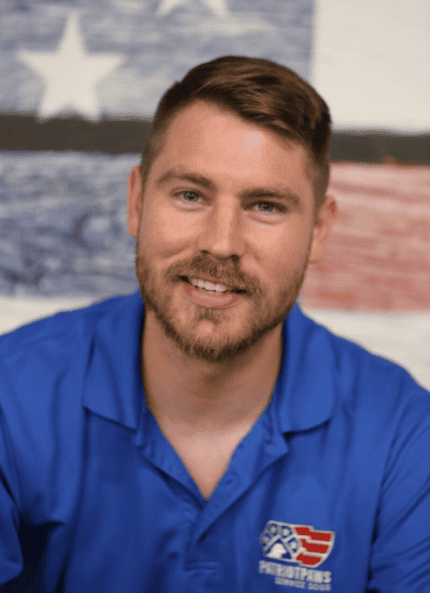
Rick Stevens, Executive Director at Patriot PAWS, had seen stories like hers for many years. He’d been surrounded by veterans of all sorts from an early age, each detailing harrowing setbacks, and how a service dog breathed new air back into their lives. From building a family among veterans and service dogs to creating programs that connect Texas A&M students with volunteer opportunities and bridging inmates with purpose beyond the bars, Patriot PAWS has renewed lives for 20 years. Recently, Rick sat down with TLM to discuss the organization’s enduring legacy, current needs, and where they’re going next.
Tell us about yourself. What brought you to Patriot PAWS?
If you had asked me whether I would ever have ended up at Patriot PAWS, I would have told you no. My mother actually started Patriot PAWS back in 2006. If you asked me then if I was ever going to work for my mother, I would have told you no. I got into law enforcement. I worked for the sheriff’s department here for a few years. My wife got into law school in another state and I learned very quickly that law enforcement didn’t get paid the same. I ended up working for a lot of retailers doing market investigations. When my wife finished law school, COVID hit, and I was deciding whether to go back to law enforcement or stay in the market investigation space. My mother reached out to me and said, “The organization is growing so fast, I could use somebody who could come in here and has a little bit of management and experience outside of the organization.” And I said, “Sure, I’ll come help you out.” It was only supposed to be temporary.
I had been around Patriot PAWS my entire life, so I was kind of desensitized by it. But when I was here, I started out as just a facility manager, a jack-of-all-trades working on random things around here, keeping everything functional. Then I started falling in love with the stories and the interactions, and realized firsthand the impact I normally didn’t get to see as I was growing up. I continued to give my all to the organization, and it grew rapidly, and I found myself in different areas of leadership. It was a surprise to me when the board of directors brought me in and said, “We want you to carry the torch forward and lead the organization.” I said, I don’t know if that’s a good idea. And they assured me that it was. They assured me that I was uniquely qualified. And so, two years as executive director, and I like to think everything’s going well.
How did the organization start?
My mom is Lori Stevens, a professional dog trainer. I would say it was before dog training was cool. In the late 90s, she had made a heck of a name for herself as kind of the only dog trainer in the Rockwall area. And she was doing basic obedience classes across the county. She was also doing private lessons for people, and really made it a career before dog training could be a career. Nowadays, the millennial generation has more dogs than kids, right? And so, everybody seems to be a dog trainer nowadays. But her reputation preceded her, and she was actually contacted by a group of veterans at the Dallas VA who were trying to train their own service dogs. She agreed to help and went to the Dallas VA, and it looked more like a dog-sled training course. She immediately realized she had a skill set and a need to turn her passion into something that could help people. That was in 2005.
In 2006, Patriot PAWS was born here in Rockwall, Texas, but it was just a name. It was just formality paperwork at that point. She had started a doggy daycare here in Rockwall before it was kind of even a concept. She would provide basic obedience training for the dogs and then return them to the handler when they came to pick them up from work. And she used that money to pour into Patriot PAWS. She paid her overhead and never took a paycheck. And completely supported by my dad, who was a mechanic and didn’t make a whole lot of money. Over the first few years, she placed a few service dogs. She was a one-woman show and could serve only a few veterans during that time.
Then, NBC Nightly News did a story on women making a difference. They came and highlighted her and the work she was doing here in Rockwall, and how she was a solo person with just a handful of volunteers. The rest is history. The organization went national. She still talks about it to this day, how she got her first $1,000 check in the mail after that aired. She just cried because it was going to get her to a point where she could turn her dream into a reality of serving veterans.
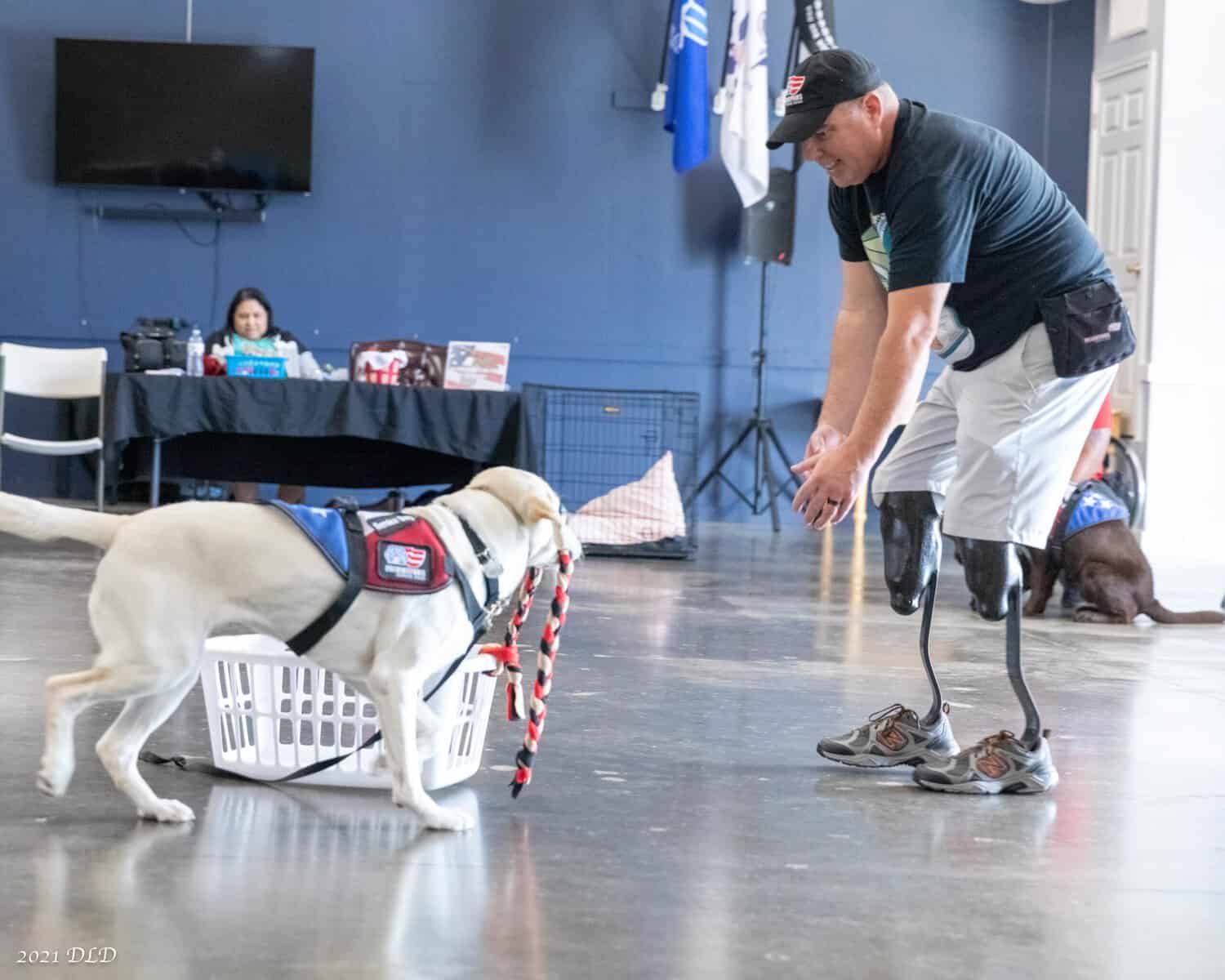
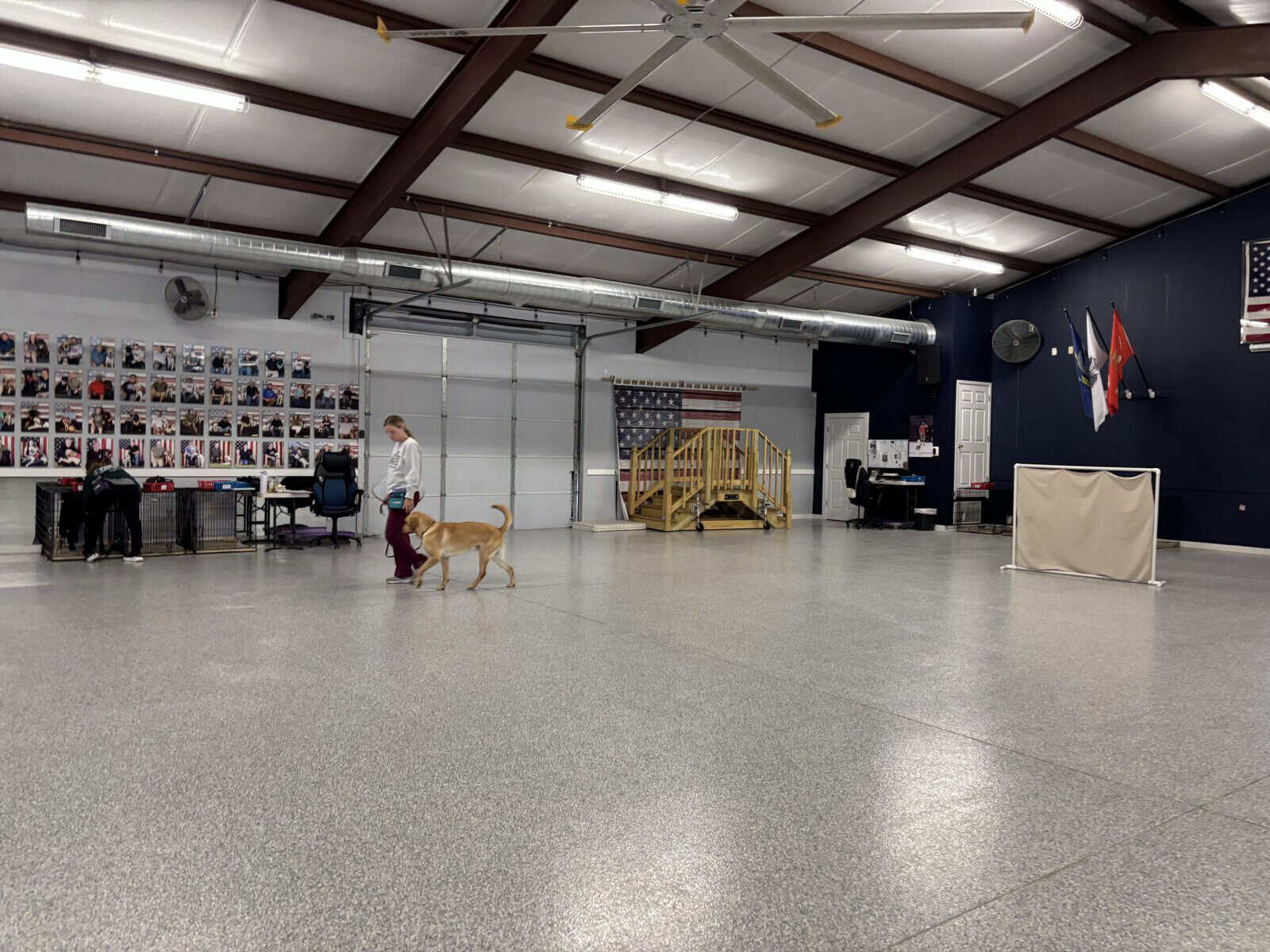
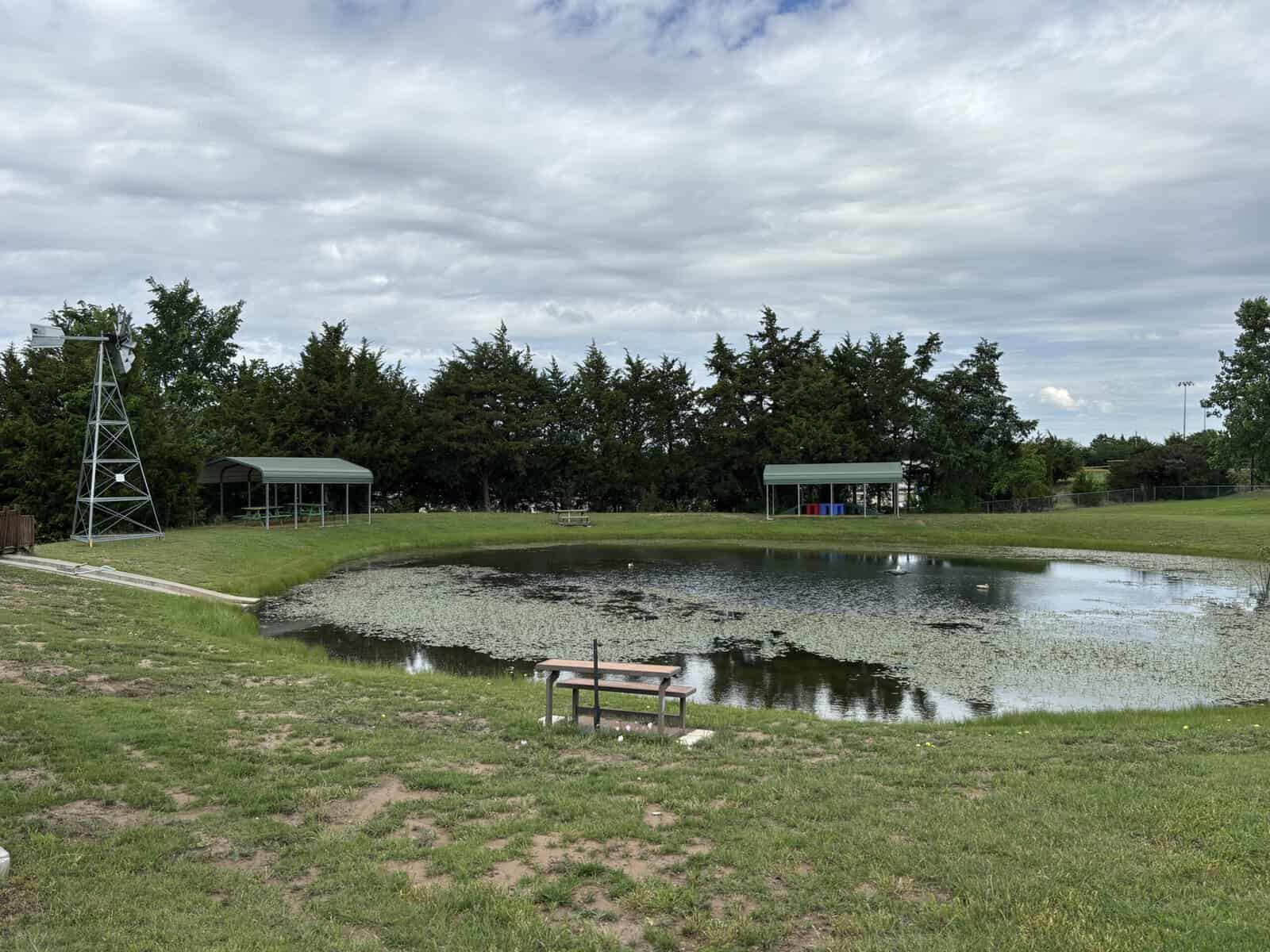
We moved here in 2008. It was then an empty warehouse, but over the past 20 years, it’s become a six-and-a-half-acre campus. We have over 100 veterans actively being served through our programs. I have roughly 50 to 70 veterans in my pool. And over the past 20 years, more than 400 veterans have been served with full-access service dogs.
What does the process look like for a veteran needing a service dog?
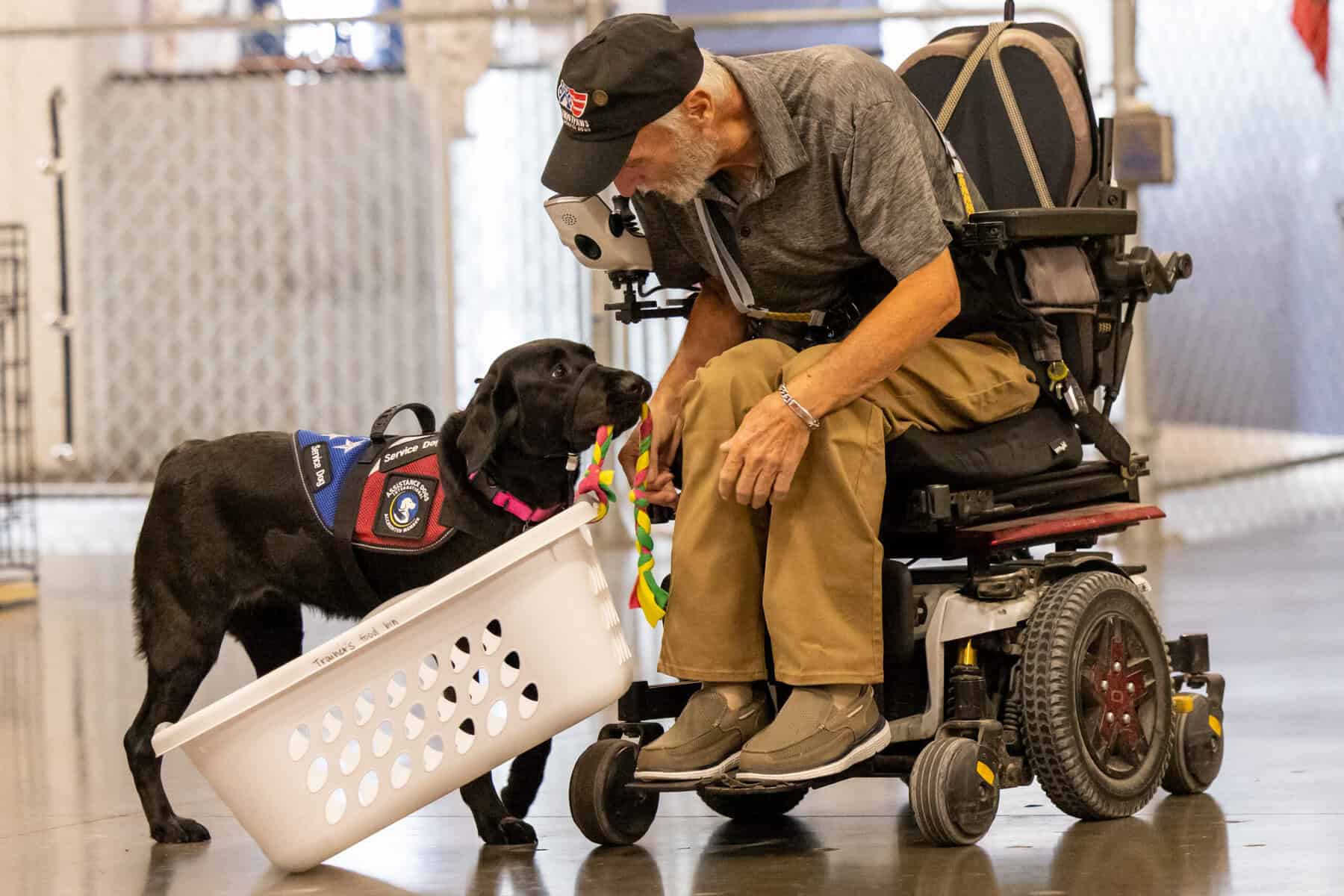
It’s simple. I would encourage all veterans to check out our website. A lot of times, we have veterans call, and they’re like, “Well, I need a dog, and I want one tomorrow.” We’d love for that to be the case. That’s just not how it works. There’s an expectation that we have to make to ensure that they understand right off the bat, which is that we are going to provide a medical device that is highly trained. And sometimes that takes anywhere from 18 to 24 months. That has to be a commitment right off the bat. We’d love to have a conversation with these veterans. So I encourage all of our veterans to call our office and speak to our client services department, all of whom are veterans themselves, so they can understand what the commitment will take. At that point, if they think we’re not a good fit for them, we’ll refer them to other service organizations, so they receive the help they need.
So go to the website, hit apply, and then fill out the form. It’s probably two or three pages of a brief history that we need, like your background, military service, stuff like that. At that point, our client services department will evaluate, call you, and walk you through the rest of the process. There’s documentation we need. We need a letter from the doctor stating that, yes, you will benefit from a service dog, and the DD 2-14 to verify an honorable or general discharge. And then at that point, we take that to the committee. Once the committee approves that we can meet that veteran’s needs, they go into what we call our pool. We don’t like to call it a wait list; we like to call it a pool.
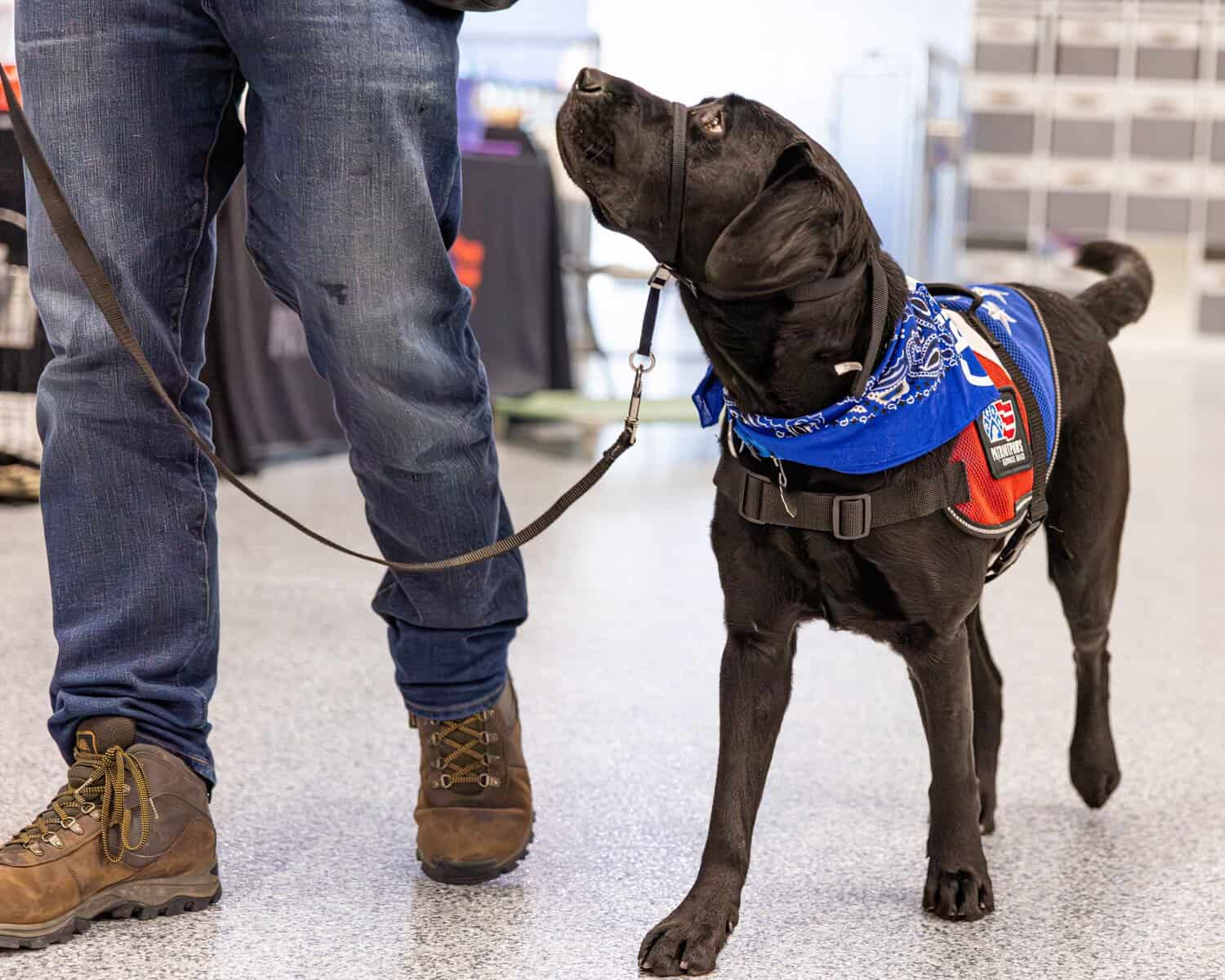
The reason it’s a pool is that it’s not first-come, first-served. We would love it to be that way, but it can’t always be. We have dogs that are skilled in mobile disability, and we have dogs that are trained in a different path of post-traumatic stress. And the training methods of those two are similar, but the focus is different. If we have six dogs come up for graduation that are skilled in mobile disability, regardless of who’s been waiting the longest on the list, I’m going to pull the veterans that those dogs can serve the best.
Right now, I’m happy to say that, with our breeding program, our success rate before we started was 38%. Now it is over 80%. We’re seeing more dogs trained at a higher rate because they’re higher-quality, and they’re being placed more quickly. We’re seeing wait times continue to drop, and we’re serving more veterans year after year as we’ve refined our internal operational processes.
What are some of your most memorable moments?
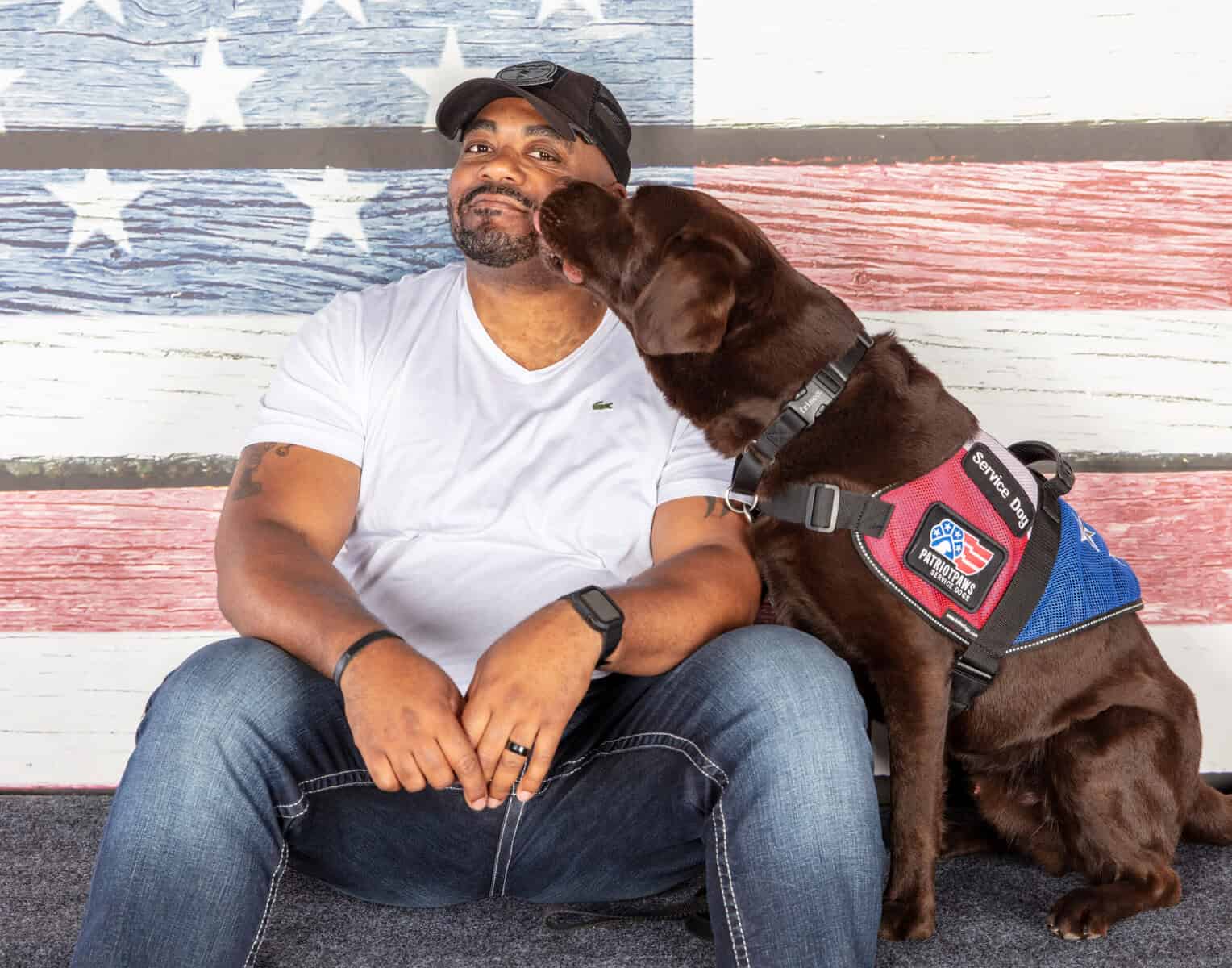
My most recent moment is when Wendy said, “I slept 4 hours last night.” And I was like, “Oh no, what happened?” I thought the dog kept her up or something like that. She said, “Rick, I hadn’t slept longer than an hour and a half in years.” It was one of those moments where I thought, what we do really works.
There have been a few more moments. When you were a teenager, were you interested in anything your mom was doing? No, right? And so, my mom had always done that since I was born, right? I was so desensitized to it. But I went with her to an event, and I’m sitting in the back while she was out doing an interview. They brought a veteran out to do the interview, and he looked at me, and he said, “Do you understand this program saved my life?”
I’m a 15-year-old kid, not thinking about that kind of stuff, only thinking about myself. It was the first time in my life where I kind of paused and said, “What mom’s doing is actually kind of cool.” It’s actually working. And there was a second time that happened, exactly same scenario. I was sitting with another veteran. And he looked at me, and he said, “Do you understand that without this organization, I would have ended my life a long time ago.”
One more. There was a female combat medic who suffered some horrible things in her service. When she got back, she moved back in with her parents, and we’ve actually talked to her mother, who said she wouldn’t come out of her room. I went to look for her in her room one time and she was in her closet. And she had such a hard time integrating back from what had happened to her. And she found us and she started going back out in public again. She got up the courage to go to school. And when she started going to school, she realized she was really good at it. The dog went with her all through her career. She ended up getting her PhD in England. And we have a picture we can give you of the dog in full lab gear sitting underneath her as she’s doing work at the lab. And now she does some sort of, I couldn’t even tell you what it is, some sort of science work in the medical field. Very few people do it in the world, and the dog’s been with her right there the whole way. From the closet of her bedroom to getting her PhD and now serving others in the medical field, the dog has literally been with her almost 24/7. Again, one of my favorite stories. And I’m full of them, so I’ll stop.
What does Memorial Day mean to you and the organization?
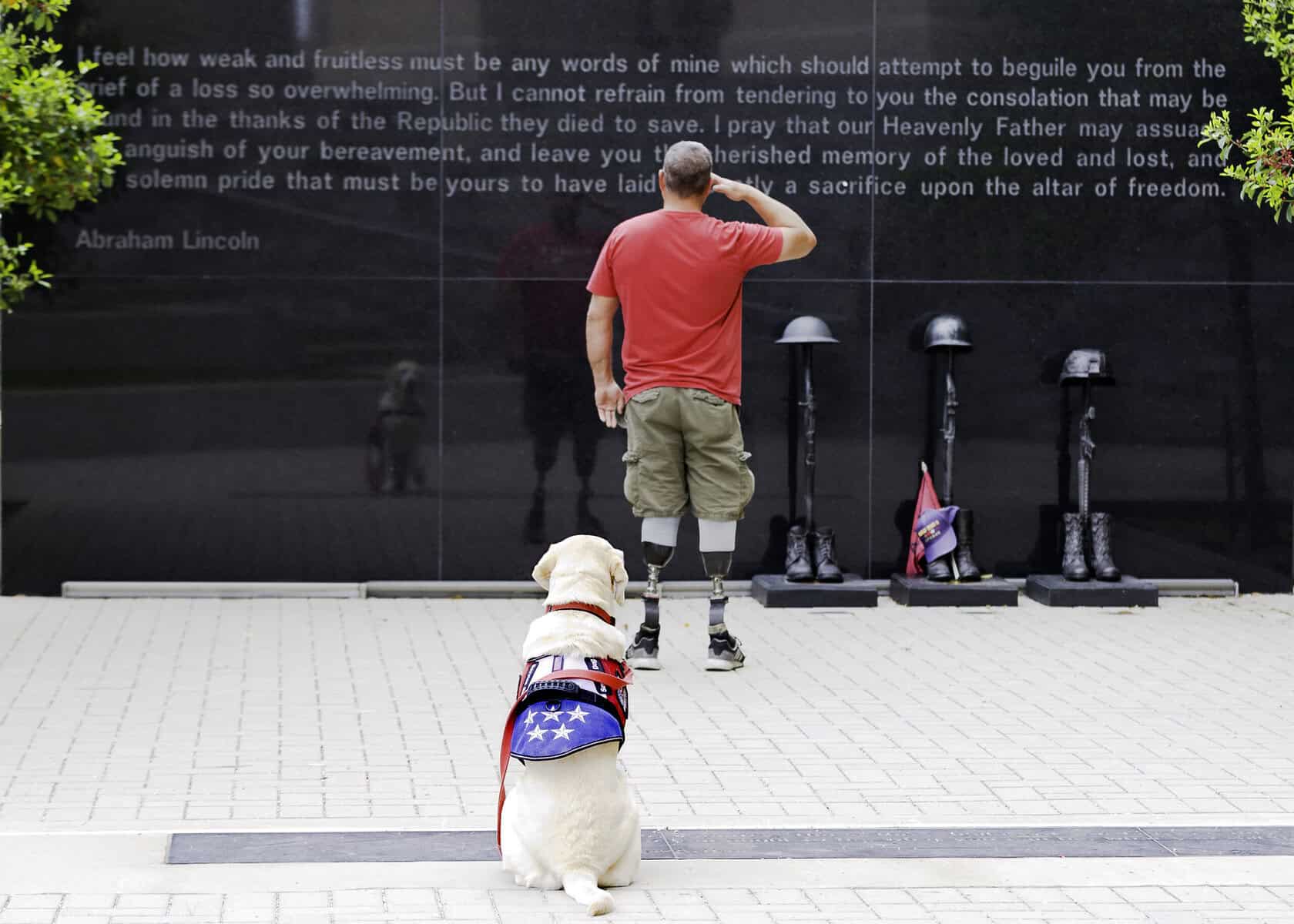
It’s about remembering those that allowed us to be here. You hear it all the time. People clichédly say, “It’s not about the BBQ and all that stuff in the backyard.” It’s one thing to say it. It’s another thing to be in an environment in which people live it, to be raised by a woman who lived it. It’s instilled in me, and I get passionate about it. I never served, but I’m a patriot. And being able to give back and remember those who gave me the option and the freedom to do so is something I’m very thankful for. I’m surrounded by people who live it every day and was raised by somebody who made it their entire life goal, which is special to me.
How can we help?
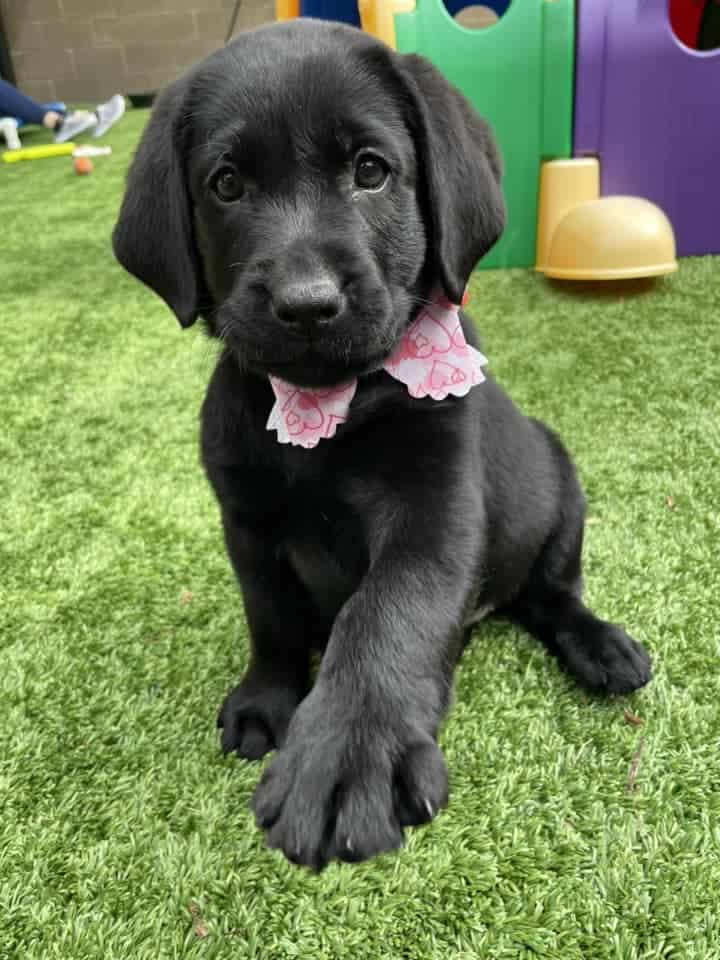
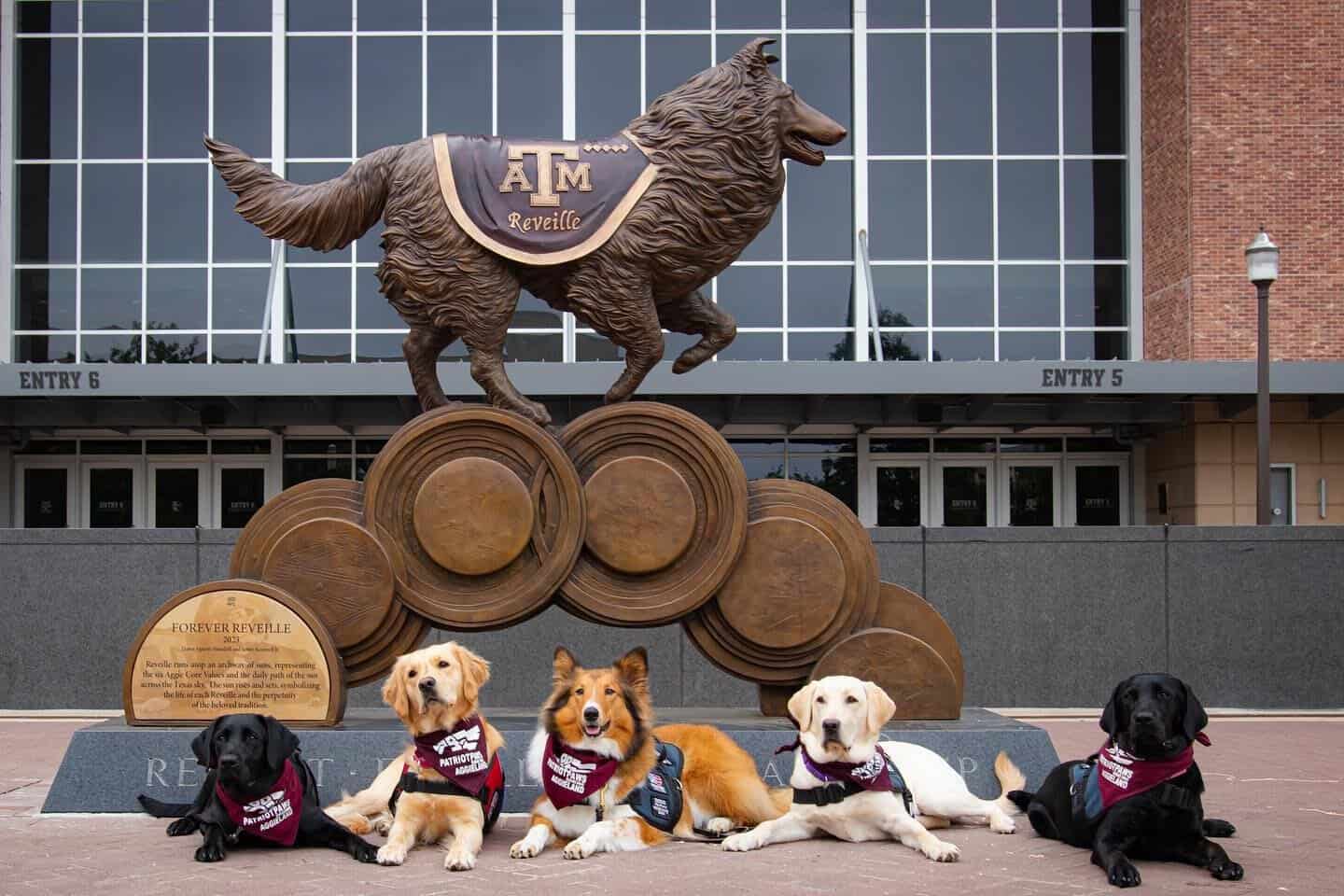
Our biggest need as an organization right now is actually puppy raisers. I’ll get kicked for saying that by my development coordinator. But we need puppy raisers. That’s my biggest thing, I don’t have enough people in the community willing to open up their homes, their lives, to help us socialize these dogs to everyday things. Socialization is so important. Socialization is the most important part of our training because if they’re reactive to anything out in public, it’s going to cause more stress to their veteran. So if we can get a dog in a home environment, and if we can get them in an office environment, if we can get around kids, if we can get them around construction equipment, fireworks, everything you can think of, they’re going to be more successful as a medical device to that veteran in the future. Puppy raisers are the number one thing we need.
The next thing every nonprofit will tell you is that we need funds to keep the mission going, right? There are links that you may be able to provide to our website, ways people can make donations to help us keep our mission going. One thing that’s very important is 90% of our funding is from private donors. The average donation among those donors is $25, roughly the same per donor. And that makes up 90% of our funds. The other 10% of our funds are a mixture of corporate sponsors and grants. I’m happy to say that less than 20% of our funds go towards administrative or operating expenses. Over 80% of the funds we receive go directly to our programs that benefit veterans. That is the standard I hold this organization to, and I will continue to do so. And I am thankful for even the four quarters that come in the envelope.
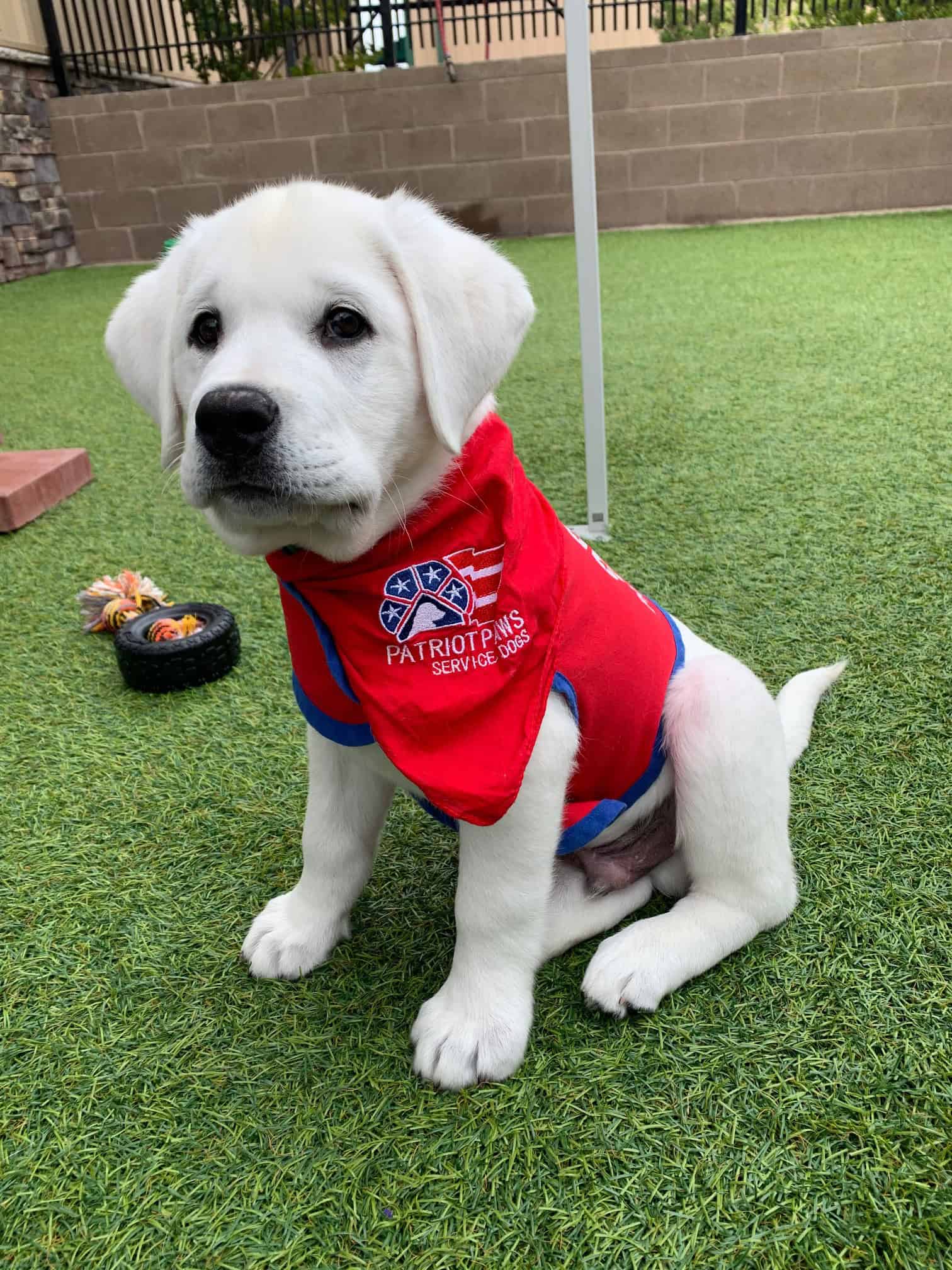
The next thing that you can help us with is whether we can be of service to any other organization as a resource. Obviously, this is hopefully read by a veteran who may need our services. That’s kind of the whole point. But if we can be of a resource to another organization, we’re happy to be partners.
What’s the next event that you’re working towards?
We’re having a big 20-year anniversary gala. We’re always looking for sponsors to help cover costs so we can raise as much money as possible to serve veterans. It’s that simple. But we also want to celebrate all of the veterans we have served. We don’t do galas very often. It takes a lot for an organization to do a gala. And it takes so much focus away from the mission to do events. But this will be a big one that we throw. And we’re really excited about it.
___________________________________________________________________________________________________________________________
Cover Photo courtesy Patriot PAWS.
Martin Ramirez is a brisket-eating, Shiner-loving, road-tripping enthusiast of all things Texas. This Dallas-born writer / adventurer is ready to take his ‘78 El Camino to find the best in food, fun, and fitness throughout the Lone Star State.